
Reviewed · GRAND HARBOR TOURS & ELBE CRUISES
Elbe Philharmonic Hall, HafenCity and Speicherstadt tour
Hamburg’s waterfront keeps changing, in public. This guided walk strings together three of the city’s biggest icons—HafenCity, Speicherstadt, and the Elbphilharmonie—so you see how port power turned into today’s design-and-living districts. You’ll also pass spots like Sandtorhafen and Grasbrookpark, where the harbor story feels close enough to touch.
Two things I especially like about this tour are the easy meetup and the guide’s on-the-ground perspective. You meet at Überseequartier (right by the station), and with a maximum of 15 travelers you’re not stuck listening over a crowd. On top of that, the local guidance you get—shared clearly and with real context—helps you connect what you’re seeing to why it exists, from older warehouse logic to new-city planning.
One drawback to plan for: it’s a walk focused on exterior views and short stops. Several major attractions along the route (like Miniatur Wunderland and the Elbphilharmonie) are listed as ticketed, so you’ll have to decide on the spot whether you want to add extra time and money to go inside.
In This Review
- Key points before you go
- Where the tour starts: Überseequartier to Baumwall in about two hours
- HafenCity in planning numbers: why this district feels different on foot
- Kibbelstegbrücke: storm-surge history you can’t see from a postcard
- Sandtorhafen and Traditionsschiffhafen: where the port’s old identity lives on
- Speicherstadt: UNESCO warehouses and time to notice the details
- Elbphilharmonie exterior views: the sail-like glass on an older shell
- Tiny detours you can choose: Miniatur Wunderland and the spice museum
- Getting the most out of a walk like this (and who should skip it)
- Price and value: $28.92 for guidance through three major Hamburg icons
- Should you book this HafenCity and Speicherstadt walking tour?
- FAQ
- FAQ
- How long is the Elbe Philharmonic Hall, HafenCity and Speicherstadt tour?
- What time does the tour start, and where does it end?
- Where do I meet the guide?
- How big is the group?
- Are tickets included for attractions like Miniatur Wunderland and Elbphilharmonie?
- What happens if the weather is bad?
Key points before you go
- Small group size (max 15) keeps the pace friendly and questions welcome
- Easy meetup at Überseequartier and an ending near Baumwall station
- Most stops are free to view, with ticketed options for extras like Elbphilharmonie and Miniatur Wunderland
- HafenCity’s planning details help you understand what you’re looking at today
- UNESCO Speicherstadt time is long enough (about 45 minutes) to slow down and notice details
- Good-weather-dependent experience, because you’re mostly outside
Where the tour starts: Überseequartier to Baumwall in about two hours
This is a classic “highlights, but explained” format. The tour starts at 4:00 pm at Überseequartier (Hamburg), and it ends around Baumwall Station—not far from the Bäumenall area. With a route like this, you get two advantages: you can use public transport to reach the meetup, and you finish in a different spot so you’re not doing the same back-and-forth walk.
The timing matters. Starting in the late afternoon usually gives you softer light over the water and buildings. And Hamburg being Hamburg, it also gives you a realistic expectation: you’ll do better if the sky cooperates. The experience specifically notes it requires good weather, so if the forecast looks rough, don’t plan to squeeze this in with tight day-to-day alternatives.
It’s also practical that the tour uses a mobile ticket, meaning you’re not hunting for a printed voucher while your legs are already warming up. With a group cap of 15, you should feel like you’re following one brain instead of a herd—especially at the narrow points where HafenCity and Speicherstadt can look chaotic if you’re exploring alone.
More time in the red-brick Speicherstadt and HafenCity

HafenCity in planning numbers: why this district feels different on foot
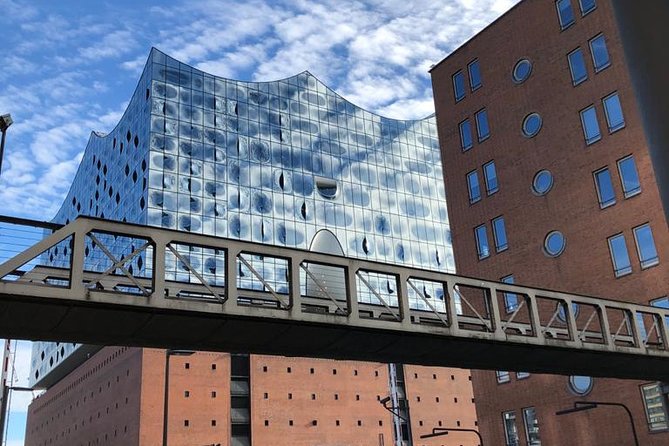
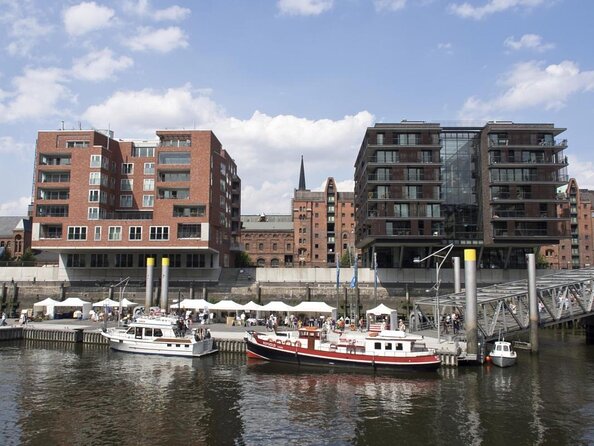
HafenCity is the star of the first half of the walk, and it’s not just a set of pretty buildings. In the narrower sense, it’s a 157-hectare redevelopment area on the Großer Grasbrook that used to be part of the free port. The tour route keeps you moving through the project at the human scale—so you can actually connect planning goals to real streets and viewpoints.
Here’s what makes HafenCity worth your time: the district is designed to scale up daily life. The figures shared on this route are big—up to 14,000 residents, up to 3,000 hotel rooms, workplaces for up to 45,000 people, plus education for around 10,000 students and pupils. On top of that, the day-to-day forecast includes roughly 50,000 customers and tourists, which totals an expectation of more than 120,000 people enlivening the district each day once fully completed.
You don’t need to memorize those numbers. The practical win is that your guide ties the architecture and street pattern to what these numbers mean—why buildings have certain sizes, why certain waterfront spaces are laid out the way they are, and how a port site can become a neighborhood.
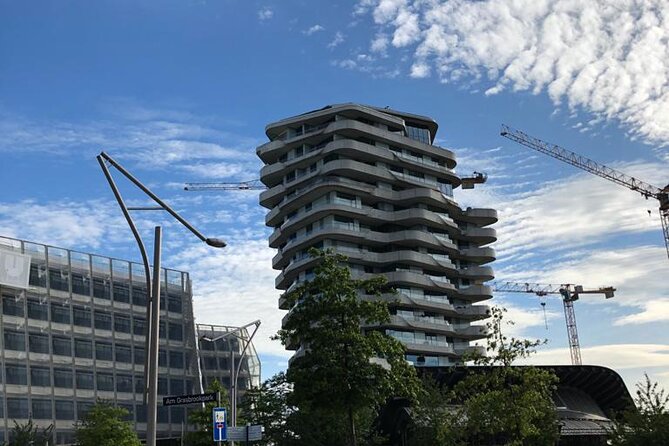
One particularly useful stop is the stretch around Magdeburger Hafen, where you get a view toward the Maritime Museum area and the Elbarkaden. Another small moment that helps you reset is the Grasbrookpark segment. It’s a neighborhood park by the Grasbrookhafen, positioned between Überseequartier and the Marco Polo terraces—an easy reminder that HafenCity isn’t only about big structures. It’s also about small outdoor pauses.
If you like architecture and you also like understanding why a place is built, this HafenCity portion is the main value engine of the tour.
Kibbelstegbrücke: storm-surge history you can’t see from a postcard
One of the more memorable “wait, what?” stops is the Kibbelstegbrücke. The point here isn’t just a pretty bridge crossing—it’s the explanation behind Hamburg’s storm-surge planning. The stop description is specific: during a storm surge, you can evacuate the site through the historic warehouse district to a dike-line area behind Hamburg city center.
That kind of information changes how you see the waterfront. You start looking at what’s hardened, what’s engineered, and what’s meant for emergency movement—not only for daily beauty. If you’ve ever wondered why harbor cities feel so controlled even when they’re casual and scenic, this is the explanation in one short stretch.
It’s brief (about a couple minutes), but it sticks because it makes the environment feel real. You’re walking through a city that has to plan for water as a constant factor, not a surprise event.
Sandtorhafen and Traditionsschiffhafen: where the port’s old identity lives on
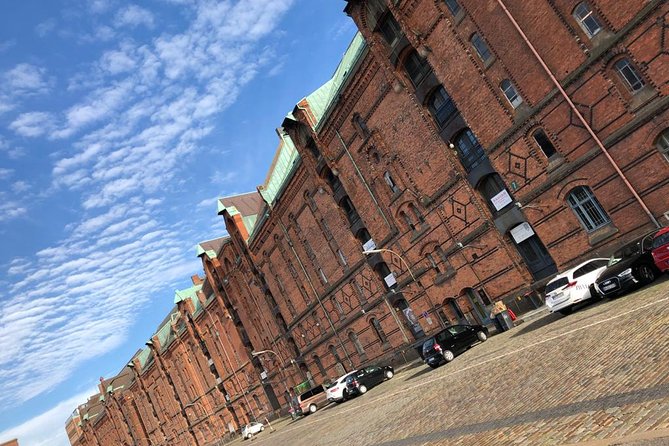
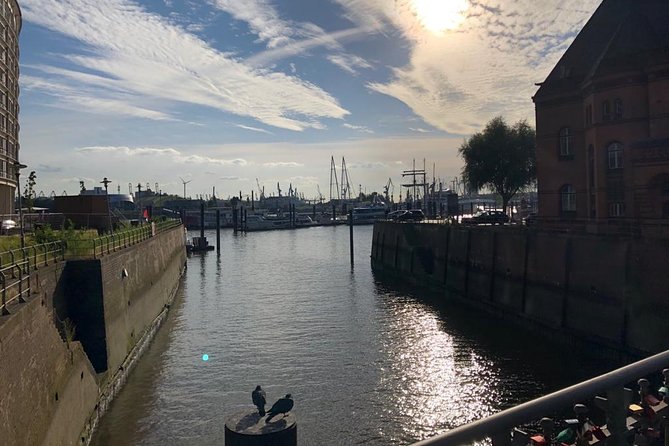
After the HafenCity redevelopment focus, the walk shifts back toward maritime tradition. You’ll spend time at Sandtorhafen / Traditionsschiffhafen, described as the traditional shipping port in the heart of Hamburg.
This part feels meaningful because it’s not a theme park version of the past. The Sandtorhafen is linked to the Hamburg Maritim Foundation, whose goal is to preserve, restore, and make maritime history accessible through historic ships, port facilities, and working equipment.
Even if you’re not a deep-ship enthusiast, this area gives you a clear idea of what “port culture” actually means: mooring spaces, quays, access points, and the physical logic of how ships and people move.
The route also points out that the Sandtorkai, Hamburg’s oldest quay wall, was restored in a monumental way in 2002. And there are three historical access bridges that open up the pontoon system. That’s the sort of detail that helps you notice structure instead of just scenery.
Also, the tour keeps things practical: this stop is long enough (around 15 minutes) for you to slow down and look around, not just glance and move on.
Speicherstadt: UNESCO warehouses and time to notice the details
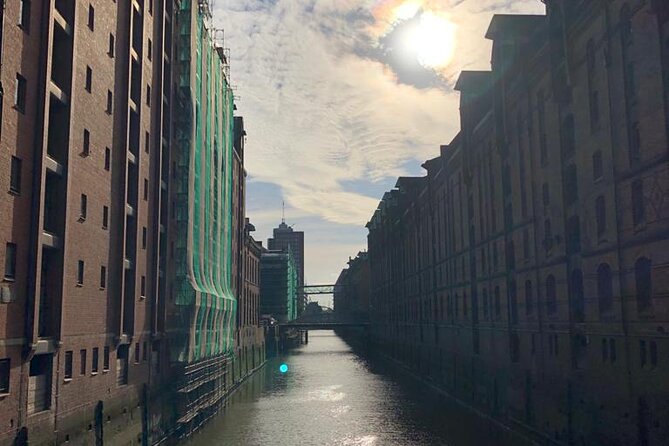
Then comes the big one: Speicherstadt. It’s the world’s largest historic warehouse complex, covering the area between Bäumenall and Oberhafen. It became a listed building in 1991, and it’s been on the UNESCO World Heritage List since July 5, 2015 as Speicherstadt and Kontorhaus district (with the neighboring Kontorhaus district).
The tour’s structure gives Speicherstadt real attention—about 45 minutes—which is important. If you do this area solo without guidance, you can end up sprinting for the most famous angles. Here, the pacing lets you notice the warehouse language: how the buildings relate to water access, how the streets and bridges create rhythm, and how the whole place works like an industrial system.
You also get quick “character stops” inside the warehouse world, even if you don’t enter every building.
- Fleetschlösschen by Daniel Wischer: You pass the historic building at Brooktorkai / St.-Annen-Brücke. It’s listed and part of the World Heritage site. The description notes it was once a toilet building, and today it’s used as a café and pub in a former coffee hatch. That’s the kind of adaptive reuse story you understand fast once you see it in place.
- Spicy’s Gewuerzmuseum: This is a private museum founded in 1991. The information given highlights that it drew 152,000 visitors in 2007, which helps you understand why it often shows up as a popular stop for food-curious visitors. Tickets aren’t included on the walk.
- WASSERSCHLOSS Speicherstadt: A standout building (four stories) built between 1905 and 1907 during the third construction phase (1899 to 1912). It’s framed as one of the most famous landmarks and among the oldest buildings in the complex. Again, you’ll likely get exterior time unless you choose to go in later.
A nice bonus stop along the way is Kehrwieder, described as one of Hamburg’s former islands within the city area, now part of the HafenCity district. It’s tied to the Lower Elbe power-cut area and connects to the wider story of fortified city expansion back in 1532. Even though it’s a shorter pass-through, it adds a “this wasn’t always a warehouse district” layer.
More of the Elbphilharmonie and its Plaza





Elbphilharmonie exterior views: the sail-like glass on an older shell
Finally, you reach Elbphilharmonie, the famous concert hall people come for by name. The tour’s focus here is still mostly viewing from the outside—since the entry is noted as not included for this stop—so think of it as a grand payoff: you’ve walked from warehouse logic and port heritage, and now you see what Hamburg built on top of it.
The info that makes this building feel more than just iconic: it was completed in November 2016, and it was designed to create a new city landmark and a “cultural monument for all.” Architecturally, it’s described as a modern glass structure with a shape reminiscent of sails, water waves, icebergs, or a quartz crystal, set on the shell of the former Kaispeicher A, which was built in 1963.
Location matters too. The hall sits about 110 meters high in the HafenCity district on the right bank of the Norderelbe, at Kaiserhöft between the mouths of the Sandtorhafen and Grasbrookhafen basins. In other words, you’re not just staring at a building—you’re seeing a conversion of industrial port space into a cultural focal point.
If you’re the type who likes photo angles, you’ll want to pay attention here. The walk route naturally sets you up for views that show the building’s relationship to the water and the surrounding older brick warehouse architecture.
Tiny detours you can choose: Miniatur Wunderland and the spice museum
Not every stop is equal in time, and that’s the tradeoff with a 2-hour walk. You’ll pass several ticketed attractions briefly—short enough that you can decide on the fly whether they’re worth adding to your day.
The biggest “if you love this” option is Miniatur Wunderland. It’s described as the largest model railway system in the world. The details here are eye-catching: the system has 15,715 kilometers of tracks (as of August 2019) on a 1:87 scale layout (H0), with about 1,040 digitally controlled trains running. The total model area is about 1,499 square meters. That’s the kind of place you can easily lose an afternoon in—so the tour gives it only a quick stop (about a minute) and then moves on.
Next is Spicy’s Spice Museum, which again is a quick stop (about two minutes). It’s known as one of the city’s more popular museums, based on visitor volume in the provided details. If you like interactive food history, this is an easy add-on after your guided portion ends.
Then there’s WASSERSCHLOSS Speicherstadt and Fleetschlösschen—both quick. Even if you skip them this time, you’ll at least leave with context so you can return later without feeling lost.
Getting the most out of a walk like this (and who should skip it)
This tour works best if you want:
- A guided route through HafenCity and Speicherstadt without planning every turn
- Clear explanations that connect architecture to Hamburg’s water-and-port reality
- A small-group vibe so you can ask questions and keep moving at an adult pace
It’s less ideal if your day is built around museum entry tickets and long indoor stays. Because some of the headline attractions have ticketed entry (Miniatur Wunderland, Elbphilharmonie, and others listed as not included), you’ll want to keep your expectations realistic: you’ll see a lot, but you won’t “do everything inside” during this 2-hour format.
One more practical note: because the experience requires good weather, have a backup plan for a rainy Hamburg afternoon. These stops are mostly outdoors, so slippery paths and heavy rain can change the day more than you’d think.
Price and value: $28.92 for guidance through three major Hamburg icons
At $28.92 per person for about two hours, this is priced like a focused city highlights walk, not like a museum day. The value comes from three things:
- You pay for interpretation, not just movement. HafenCity’s scale and Storagecity’s UNESCO setting are hard to fully understand without context, and the guide’s explanations are the main reason a guided walk can feel worth it even when many stops are free.
- Many stops are admission-free to view. HafenCity segments, Speicherstadt viewing areas, and several bridge/harbor points are marked as free. That keeps costs predictable.
- Small group size adds comfort. With a max of 15 travelers, you’re not fighting for attention.
Also, this experience is often booked in advance (the provided average is about 25 days), which usually means demand is steady. If you have a tight schedule, booking early helps.
If you’re on a first Hamburg trip, this is the kind of tour that gives you a “map in your head.” Then later, you can return on your own to the attractions you found most interesting.
Should you book this HafenCity and Speicherstadt walking tour?
Yes—if your goal is to understand Hamburg’s port-to-future story in a short time. I’d book it if you like architecture, want the big names (Elbphilharmonie and Speicherstadt), and prefer a guide who points out the why behind the what. The HafenCity planning context and the UNESCO warehouse framework make it more than a quick sightseeing loop.
Skip it or plan extra time if you know you want to spend a lot of time inside the ticketed attractions. This tour gives you smart context and exterior access, but it won’t replace an all-in day for places like Miniatur Wunderland or the Elbphilharmonie interior.
FAQ
FAQ
How long is the Elbe Philharmonic Hall, HafenCity and Speicherstadt tour?
It runs about 2 hours.
What time does the tour start, and where does it end?
The tour starts at 4:00 pm. It ends at Baumwall Station.
Where do I meet the guide?
You meet at Überseequartier (20457 Hamburg).
How big is the group?
The tour is limited to a maximum of 15 travelers.
Are tickets included for attractions like Miniatur Wunderland and Elbphilharmonie?
No. Some stops list admission as not included, including Miniatur Wunderland, Elbphilharmonie, and several museums/attractions in the Speicherstadt area.
What happens if the weather is bad?
The experience requires good weather. If it’s canceled due to poor weather, you’ll be offered a different date or a full refund.
More Harbour Tours & Elbe Cruises



More Elbphilharmonie Plaza Visits
More of Speicherstadt & HafenCity



Just In: The Newest Hamburg Reviews










Grand Harbor Tours & Elbe Cruises, compared.
 ★ 4.61.5-Hour Harbor and Speicherstadt Day CruiseFrom $4014,200 reviews
 ★ 4.72-Hour XXL Port of Hamburg Cruise TourFrom $476,979 reviews
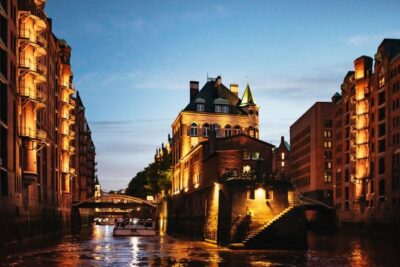 ★ 4.41-Hour Harbor Evening Lights CruiseFrom $304,861 reviews
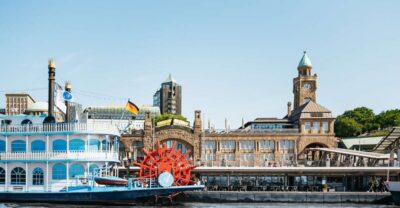 ★ 4.41-Hour Harbor Sightseeing Cruise with HafenCityFrom $303,067 reviews
 ★ 4.61-Hour Harbor CruiseFrom $282,283 reviews
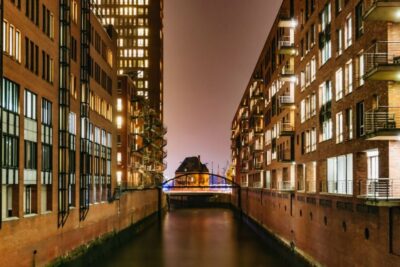 ★ 4.21.5h Grand Harbor Evening Lights CruiseFrom $281,316 reviews
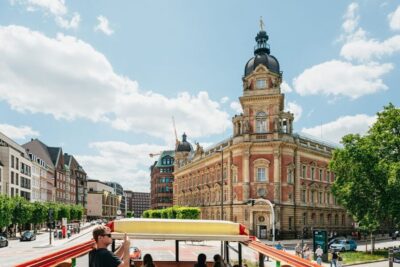 ★ 4.5Hop-On Hop-Off Bus with Alster or Harbor CruiseFrom $44812 reviews
 ★ 4.7Harbor Cruise with Wine and CheeseFrom $49795 reviews
Browse the lists this tour appears in