
Reviewed · SPEICHERSTADT & HAFENCITY
Hamburg: Speicherstadt and Hafencity Guided Tour
Hamburg’s harbor tells two stories at once. This short guided tour links the historic Speicherstadt and the modern Hafencity through standout architecture and practical, easy-to-follow context about the Hanseatic merchants. I especially like how the guide turns the old warehouses into real trade stories, and I like the contrast you get when you move from Dutch Brook courtyards to today’s design language.
One watch-out: the route includes time outdoors, and in cold weather it can feel like a lot of standing and walking.
In This Review
- Key things to look for on this guided route
- Why this 2-hour walk links Hamburg past and present
- Elbphilharmonie: the harbor crown you’ll walk toward and read
- Speicherstadt warehouse streets: trade written in brick and canal
- Pfeffersäcken and the Dutch Brook courtyards that feel like churches
- Miniatur Wunderland, spices, and a coffee-roasting detour
- Magellan Terraces: a quick, smart viewpoint across the warehouses
- HafenCity after Speicherstadt: what modern design is trying to fix
- Value for $16: is this guided route worth your time?
- Should you book this guided Speicherstadt and HafenCity tour?
- FAQ
- How long is the Hamburg Speicherstadt and Hafencity guided tour?
- What is included in the price?
- Are entrance fees included?
- Where is the meeting point?
- What language is the tour guide?
- Is the tour wheelchair accessible, and can I cancel?
Key things to look for on this guided route
- Elbphilharmonie from the outside: you’ll get a guided read of the building’s abstract front and why it’s become Hamburg’s harbor landmark
- Speicherstadt warehouse logic: you’ll learn how the Hanseatic era shaped what you’re seeing today
- Pfeffersäcken trail: follow the merchants of spices and trade money through the trade-focused courtyards
- Dutch Brook courtyards: the inside passages feel churchlike, but the point is commerce, not worship
- HafenCity contrast: you’ll end with a modern, environmentally minded architectural approach
- Two-hour pacing: it’s short enough to feel efficient, but you still cover multiple big sights
Why this 2-hour walk links Hamburg past and present
This is the kind of tour that works when you have limited time but still want more than photos. In about two hours, you move through the city’s layers: the old warehouse district that powered trade, and the newer HafenCity district built to answer modern needs. It’s a compact route with big visual payoff.
I like that the guide doesn’t treat Speicherstadt like a museum-only stop. Instead, you get the story of why warehouses, money, and daily routines mattered so much in Hamburg. Then HafenCity gives you a reality check: the city didn’t freeze in time. It kept building, and it’s doing it with an eye toward what’s possible now.
The tour is also practical for first-timers. If Hamburg feels like it has too many “must-sees,” this route helps you connect them into one coherent picture, from the harbor’s landmark to the trade streets behind it.
More time in the red-brick Speicherstadt and HafenCity

Elbphilharmonie: the harbor crown you’ll walk toward and read
Elbphilharmonie is the easiest way to understand Hamburg’s modern confidence. From the outside, it has that crown-like presence over the harbor, and the front is abstract enough that it sparks questions immediately. On this tour, you don’t just look—you get a guided explanation of what you’re seeing and why this building matters in the city’s identity.
The value here is in getting your bearings fast. Once you understand Elbphilharmonie’s visual role, the rest of the walk clicks into place: you start seeing it as a hinge between eras, not just a famous building. And because the tour is short, you’re not stuck on one location for too long before moving on.
Dress matters more than you’d think. Even if you’re only viewing parts of Elbphilharmonie from the outside, harbor wind can be real. If the weather is cold or wet, plan for layers and something windproof. One review specifically called out how the outdoor portion can be chilly, so this is not a “light jacket and forget it” situation.
Speicherstadt warehouse streets: trade written in brick and canal
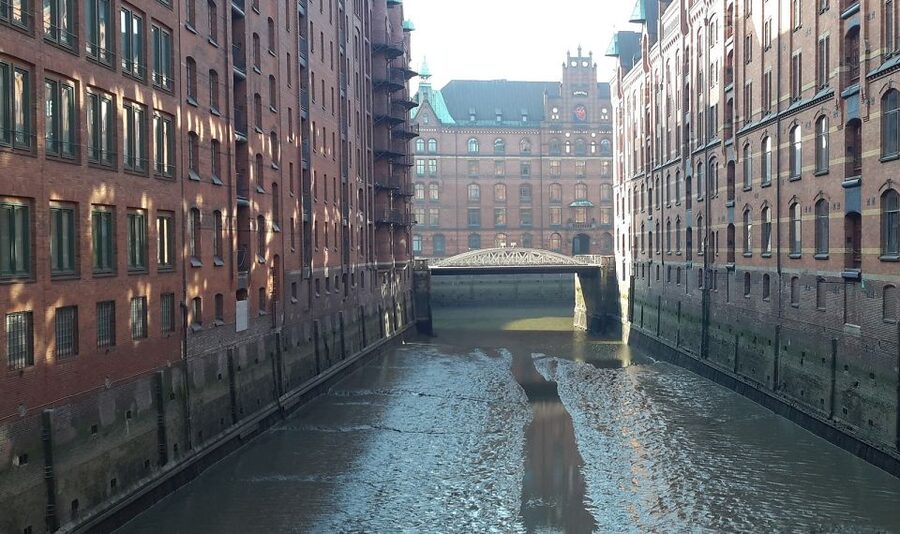
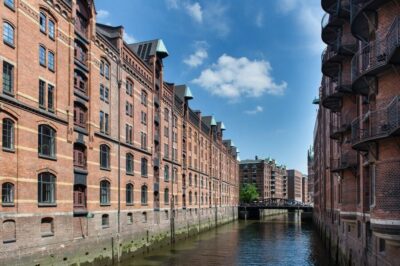
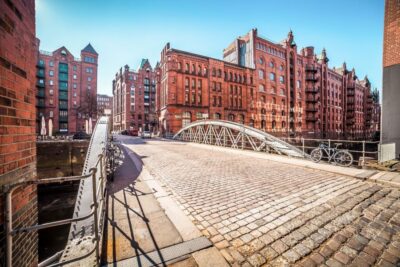
Speicherstadt is one of those places where architecture is the clue. The warehouses aren’t random. They reflect the Hanseatic League era and the way Hamburg worked when trade was the engine of daily life. On this tour, you’ll get the kind of explanation that turns the long rows of buildings into a system you can understand.
You’ll learn how these warehouses connected to the merchant economy and why the district looks the way it does. The guide’s explanations are a big reason this tour earns high marks. I like that the focus stays practical: what the warehouses were for, and how they relate to the lives of the people who ran the trade.
If you enjoy places where money and logistics shaped the physical city, you’ll feel right at home here. You’ll also pick up details like the route moving you along the Dutch Brook area, setting you up to notice courtyards and passages you might otherwise miss.
Small consideration: Speicherstadt is busy with sightseeing energy in general, but the tour timing is tight, so you’ll move. If you like slow wandering, treat this as a guided orientation first, then plan your own longer return later.
Pfeffersäcken and the Dutch Brook courtyards that feel like churches
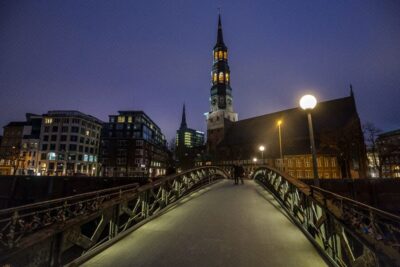
Here’s the detail that makes Speicherstadt stick in your mind: the inner courtyards on the Dutch Brook look cathedral-like at first glance. If you just walk through, you might assume they’re about faith. On this tour, you’ll learn the key correction: this was not about church life—it was about trade, money, and how commerce organized everyday routines.
You follow in the footsteps of the Hanseatic merchants called Pfeffersäcken, the spice merchants who helped drive Hamburg’s reputation. That name is more than trivia. It gives meaning to what you’re seeing because it connects the architecture to a specific kind of wealth and risk: buying, transporting, storing, and selling high-value goods.
This is one of the places where a good guide really changes your experience. One common strength is how the guide handles questions and expands explanations when people ask. If something catches your eye—an arrangement of buildings, a courtyard view, a trade-related detail—this tour is set up to let you follow that thread.
And yes, it helps with the “so what?” factor. By the time you reach these courtyards, you’re not just seeing a pretty historic district. You’re reading how wealth flowed and how the city worked day to day.
Miniatur Wunderland, spices, and a coffee-roasting detour
The route includes a stop area around Miniatur Wunderland, where you’ll pass by the world-famous model railway scene. Even if you don’t go inside, it’s an interesting contrast point. One district is built on real-world trade logistics; the other is built on miniature precision. Either way, you’re getting a sense of Hamburg’s obsession with systems and detail.
You’ll also pass by an old coffee roasting plant and a spice museum area. This part of the tour helps connect the historic “spice” identity of Speicherstadt to tangible everyday goods. It’s the kind of link that makes the Pfeffersäcken story feel less abstract.
One caution based on feedback: the coffee-roasting portion can include a shopping break, and for some people that pause felt too long. If you’re the type who wants constant storytelling on the move, you might notice the downtime. Still, even if you skip the purchase element, the setting gives you a useful backdrop for how trade products moved from source to market.
If you want to make the most of this segment, keep your questions ready. Ask how coffee or spices relate to Hamburg’s trading networks—your guide can usually steer you toward the connections that match what you’re seeing in front of you.
Let a Hamburg local lead the way






Magellan Terraces: a quick, smart viewpoint across the warehouses
The Magellan Terraces are a smart stop because they give you a different angle on Speicherstadt without turning the tour into an all-day sightseeing marathon. It’s here that you can really absorb the geometry of the warehouse district—how the buildings relate to each other and how the canals and edges shape movement.
Think of this viewpoint as a reset button. After walking through trade streets and courtyards, you look outward and suddenly the district feels like a planned working zone rather than a collection of historic facades. It’s also one of the easiest places to grab photos that show scale without needing a dedicated photo mission.
Weather note again: terraces are exposed. If you’re on a colder day, you might end up doing the classic move—bundle up, look around, then get back to cover. Don’t let that stop you. Just plan for it so you can enjoy the view instead of fighting the wind.
HafenCity after Speicherstadt: what modern design is trying to fix
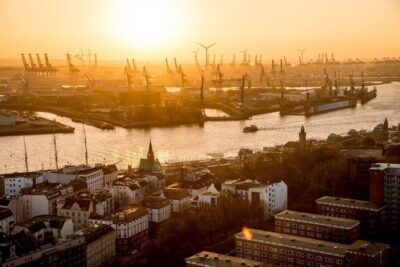
After Speicherstadt, HafenCity hits like a visual answer key. You’re going from warehouse architecture that reflects trade needs of centuries ago to a newer district designed with current possibilities in mind. This contrast is the whole point, and the tour leans into it.
You’ll learn what makes HafenCity notable from an architecture standpoint—especially the idea of sophisticated building approaches and an environmentally friendly direction. You don’t need to be an architecture nerd to appreciate this. The experience works because you already know what “functional design” looked like in the past. Now you can compare it to today’s version of functionality.
I like that the tour frames HafenCity as more than a pretty modern neighborhood. It’s a chance to see how cities reuse their harbor-facing space and how design choices communicate priorities: sustainability, daily livability, and future-forward planning.
If you’re traveling solo or with family members who prefer a clear visual arc, this ending helps a lot. The “before and after” feeling makes Hamburg feel less like scattered sights and more like a living city that keeps reinventing itself.
Value for $16: is this guided route worth your time?
At $16 per person for two hours with a professional city guide, this is strong value if you want context quickly. You’re paying for interpretation—someone helping you understand Speicherstadt beyond postcard facts, and someone connecting Elbphilharmonie and HafenCity into one coherent story.
This tour also respects real travel limits. Two hours is long enough to cover multiple major areas, but short enough to fit into a day with other plans. And because entrance fees are not included, the cost stays mostly about the guided experience rather than site admissions.
The biggest “worth it” factor for me is the guide’s approach: clear explanations and a willingness to answer questions. That shows up in the way the tour feels responsive, not just scripted. For $16, you’re not buying luxury. You’re buying understanding.
The main reason it might not be for you is weather tolerance. If you hate outdoor walking in cold conditions, you’ll want to come prepared or choose a warmer day. One feedback point specifically flagged the outdoor feel in icy temperatures, which matches what the route suggests on a practical level.
Should you book this guided Speicherstadt and HafenCity tour?
Book it if you want a fast, structured way to understand Hamburg’s core contrasts: Elbphilharmonie, Speicherstadt, and HafenCity in one guided arc. It’s ideal for first-timers, short-stay visitors, and anyone who likes their sightseeing with explanations that make the buildings make sense.
Skip it or reconsider if you need a mostly indoor experience, or if you strongly prefer long stays at each site instead of moving through several areas. If you’re okay with outdoor time and you want a guide to connect the dots, this tour is a good use of money and time.
FAQ
How long is the Hamburg Speicherstadt and Hafencity guided tour?
The tour lasts 2 hours.
What is included in the price?
The price includes a professional city guide.
Are entrance fees included?
No. Entrance fees are not included.
Where is the meeting point?
Meet directly at Sandtorkai 74, at the corner of Sandtorkai/Kaiserkai. The guide meets on the square in front of the stairs, on the white wall with the hole in the middle.
What language is the tour guide?
The live tour guide speaks German.
Is the tour wheelchair accessible, and can I cancel?
Yes, it is wheelchair accessible. You can cancel up to 24 hours in advance for a full refund, and you can reserve now and pay later to keep plans flexible.
More Tours in Hamburg




More Tour Reviews in Hamburg

More of Speicherstadt & HafenCity



Just In: The Newest Hamburg Reviews









Speicherstadt & HafenCity, compared.
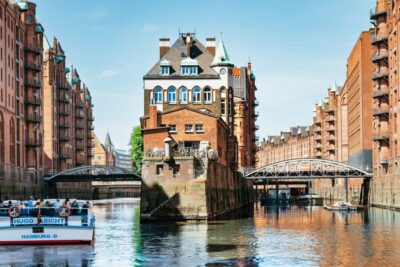 ★ 4.61.5-Hour Harbor and Speicherstadt Day CruiseFrom $4014,200 reviews
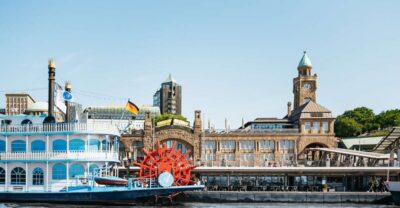 ★ 4.41-Hour Harbor Sightseeing Cruise with HafenCityFrom $303,067 reviews
 ★ 4.7Elbphilharmonie Plaza and HafenCity Food TourFrom $691,711 reviews
 ★ 4.5Eerie Speicherstadt TourFrom $291,394 reviews
 ★ 4.8Speicherstadt and HafenCity 2-Hour TourFrom $2821,063 reviews
 ★ 4.7Treasure Hunt Game through HafenCityFrom $29364 reviews
 ★ 4.6Speicherstadt Walking Tour with Coffee TastingFrom $50360 reviews
 ★ 4.6Speicherstadt and HafenCity TourFrom $18277 reviews
Browse the lists this tour appears in