
Reviewed · HOP-ON HOP-OFF BUS & BOAT TOURS
Hamburg: Line A Sightseeing Hop-On Hop-Off Bus Tour
Hamburg looks different from street level than from a double-decker bus—and that’s the point. I like how this Line A route ties together the big-picture highlights (harbor views, grand villas on the Alster, and the city’s more infamous nightlife) with a GPS-steered audio guide you can follow in 11 languages.
The day ticket gives you flexibility: hop on and hop off at lots of stops while you decide what to linger over. One thing to consider: the headsets are great, but some people note the German announcement over the loudspeaker can be loud enough to clash, and the upper-deck headroom can feel a bit tight.
In This Review
- Key things to know before you ride (Line A)
- Ticket value: why $24 can feel like a bargain
- Where the bus actually takes you: the full Line A story
- Starting at Landungsbrücken: your harbor launchpad
- Elbphilharmonie pass-by: the Hamburg skyline icon
- Überseequartier and HafenCity pass-by: from old port to new city planning
- Speicherstadt pass-by: the Warehouse City’s dramatic “how it worked”
- Holzdamm and The Fontenay pass-by: where river logistics meets modern Hamburg
- Hamburg Dammtor, Planten un Blomen, Messe pass-by: the in-between spaces
- Jungfernstieg and Town Hall: the historic center comes into focus
- St. Michael’s Church (St. Michaelis) pass-by: the big church silhouette
- Reeperbahn: Hamburg’s nightlife and its complicated edge
- Hop-on strategy: how to make a 1-day loop feel effortless
- Timing that matters: winter vs. warmer months
- Open-top views: bring the right layer
- Audio and comfort: what’s great, what to double-check
- Who this tour fits best
- Quick practical tips for your ride
- Should you book the Hamburg Line A hop-on hop-off bus?
- FAQ
- How much does the Hamburg Line A hop-on hop-off bus tour cost?
- How long is the tour and is the ticket valid all day?
- How many stops are included on Line A?
- What’s the main start location for the tour?
- Is the audio guide included, and what languages are available?
- Does the bus have an open-top option?
- Is the tour wheelchair accessible?
- How often do buses run in winter (November–April)?
- What should I look for at the meeting point?
Key things to know before you ride (Line A)
- 20 hop-on hop-off stops with a full-day ticket, so you can pace your own sightseeing.
- GPS-controlled audio on headsets in 11 languages, including English, plus other options.
- The route is built around Hamburg’s contrast: harbor + warehouses, then Alster elegance, then Reeperbahn.
- In nice weather, the bus can run open top for better views (bring a layer; Hamburg weather can swing).
- Winter timing changes: from November to April, Monday–Thursday runs every 60 minutes; Friday–Sunday every 30 minutes.
- Wheelchair accessible, and the driver is German.
Ticket value: why $24 can feel like a bargain
For $24, you’re buying two practical things: mobility and context. The mobility part is straightforward—this is a hop-on hop-off day pass, valid for 1 day across the loop—so you’re not stuck rushing on foot between distant neighborhoods. The context comes from the GPS-guided audio, delivered through included headphones in 11 languages (English among them), which turns “I’m seeing a lot of stuff” into “I know what I’m looking at.”
This kind of ticket is especially good when:
- you have one day in Hamburg and want the highlights without hiring a private guide,
- you want to see both the polished postcard Hamburg and the grittier sides (hello, Reeperbahn),
- you’re mixing walking with public transit and want a simple way to avoid decision fatigue.
Hop back on for more of the city and harbour



Where the bus actually takes you: the full Line A story
Line A loops through the port area, the warehouse complex, the lakeside neighborhoods, and the historic center, then finishes back at the harbor. Your starting point is U S Landungsbrücken (easy because it’s also one of the most scenic areas to begin). You can also get on at the Central Station/Kirchenallee area or at any of the other designated stops.
Below is what each stop segment is good for, and what to watch out for.
Starting at Landungsbrücken: your harbor launchpad
You’ll start at U S Landungsbrücken and keep circling back there. This is the best place to begin because the whole vibe of Hamburg—the water, the ferries, the working harbor energy—hits you right away. If you’re only doing one bus loop, this is where you want to be.
Tip: plan your first big photo stops early, while the morning light (or early afternoon light) is on your side.
Elbphilharmonie pass-by: the Hamburg skyline icon
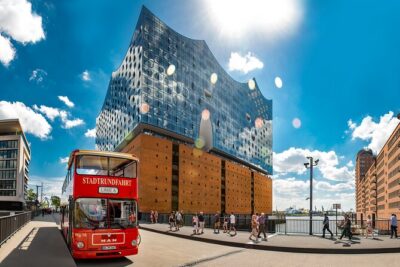
Next up is Elbphilharmonie (you pass it, rather than get off). Even from the road, it’s a strong visual marker for Hamburg’s “new face.” If you’re a concert-hall fan, you’ll probably want to plan a separate moment to see more up close—but as a pass-by stop, it still helps you map the city quickly.
Consideration: since it’s a pass-by, don’t count on it for a close look.
Überseequartier and HafenCity pass-by: from old port to new city planning
You’ll pass Überseequartier and then HafenCity. This section is useful because Hamburg doesn’t just preserve history; it keeps building. You’ll see the contrast between the older port-driven areas and the more modern waterfront development.
If you like architecture and city design, this is where the bus gives you a clean overview without you needing to be an expert on day one.





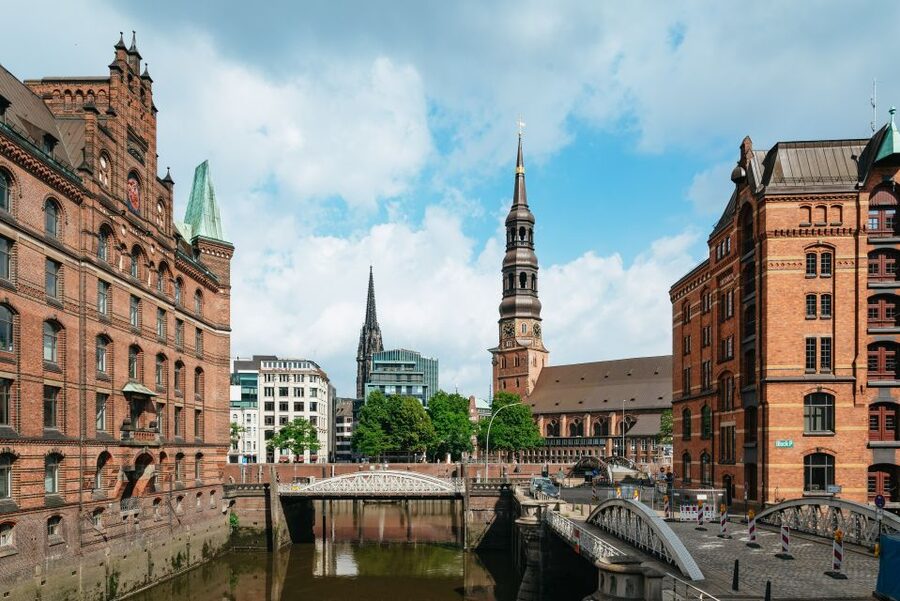
Speicherstadt pass-by: the Warehouse City’s dramatic “how it worked”
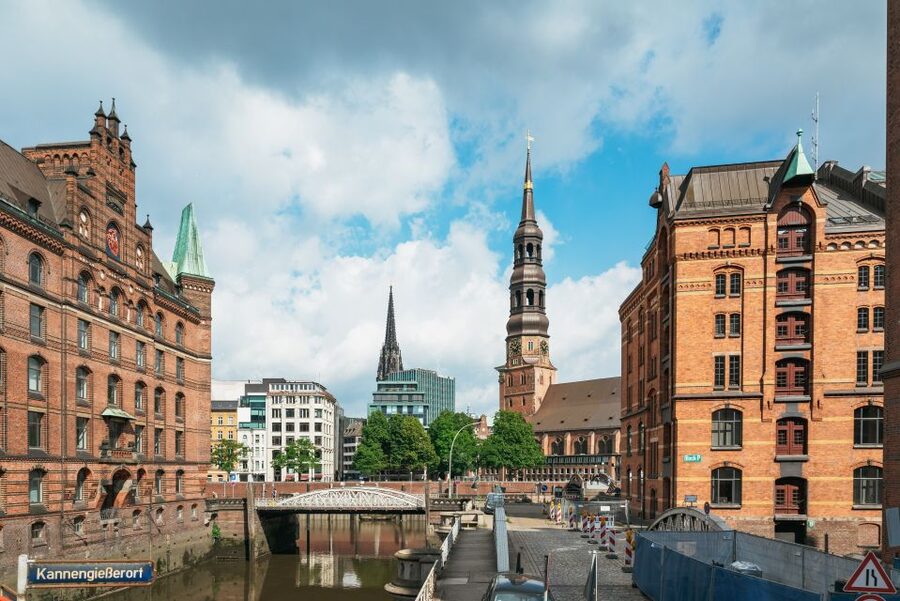
Then comes Speicherstadt (also pass-by). This part matters because Hamburg’s global importance didn’t come from retail malls—it came from shipping and storage. The bus route is timed so you don’t just see buildings, you get the historical framing through the audio guide.
Why this helps: if you later walk through on foot or do a museum stop, the bus audio gives you a mental map for what you’re seeing.
Holzdamm and The Fontenay pass-by: where river logistics meets modern Hamburg
After the warehouse zone, the route continues through Holzdamm and The Fontenay. These pass-by segments can blur together if you’re not listening, so keep your headset on and follow the GPS audio. This is a good stretch to pay attention because it fills in the “why” behind the harbor layout.
Practical note: if you’re taking photos, pause your snapping briefly so you don’t miss a key explanation.
Hamburg Dammtor, Planten un Blomen, Messe pass-by: the in-between spaces
You pass Hamburg Dammtor, then Park Planten un Blomen, then Hamburg Messe. This is an important middle section: it’s where Hamburg moves from waterfront and warehouses toward green space and major public areas.
If you like parks: Park Planten un Blomen is the name to watch for on the route. Even without getting off, it helps you understand where the city’s calmer moments fit into the bigger plan.
Jungfernstieg and Town Hall: the historic center comes into focus
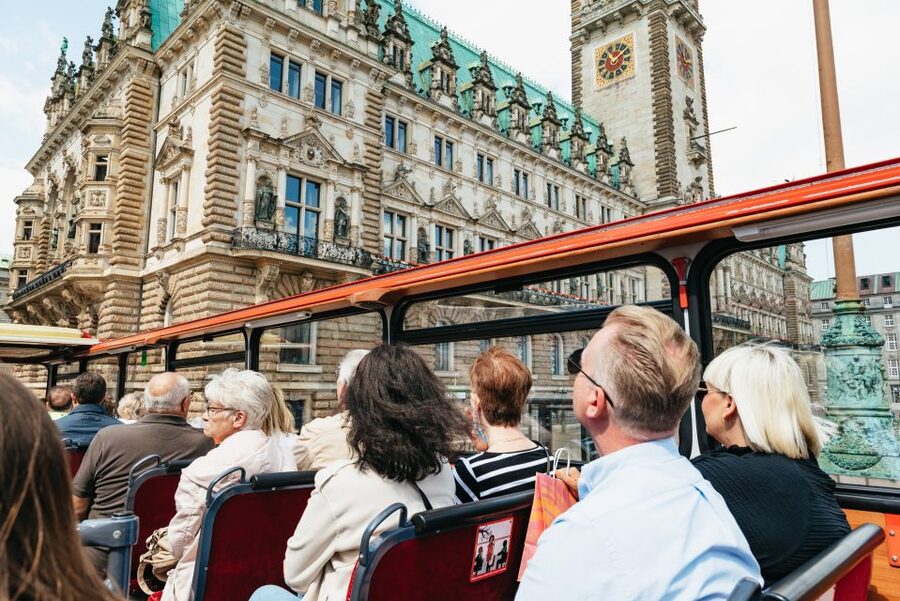
Next you pass Jungfernstieg and then Townhall, Hamburg. This is classic central Hamburg energy: formal buildings, major civic landmarks, and shopping/walking streets nearby.
Tip: if you want a quick “feel” for the city center, this is a good zone to hop off for an hour, not just pass through. You’ll likely want to stand still for a few minutes to absorb how grand the architecture feels compared to the harbor sections.
St. Michael’s Church (St. Michaelis) pass-by: the big church silhouette
You then pass St. Michael’s Church. This stop is helpful even as a pass-by because it gives you a clear landmark for orientation. If you do decide to revisit later, you’ll know exactly what to look for.
Reeperbahn: Hamburg’s nightlife and its complicated edge
Finally, you reach Reeperbahn—the city’s famous Red Light district—before returning to U S Landungsbrücken. This is the part that turns the day from sightseeing into lived-in city reality.
You may not want to stay long in every spot here, but even a short break off the bus can help you understand why this area is culturally recognizable. The audio context also matters, because it keeps the tour from feeling like a simple “party route” and helps explain the neighborhood’s role in Hamburg.
Consideration: Reeperbahn is where crowds and street noise can be higher, so if you’re trying to hear every detail on the headset, keep your expectations realistic.
Hop-on strategy: how to make a 1-day loop feel effortless
This is a hop-on hop-off bus, but that doesn’t mean you should treat it like a blur. I’d use a simple approach:
- Do the loop once while listening closely. You’ll build a mental map of neighborhoods, not just a list of sights.
- Pick 2 or 3 stops to actually get off. For many people, that’s somewhere like the harbor/warehouse area, a central landmark zone (around Town Hall or Jungfernstieg), and then Reeperbahn near the end.
- Save time for the best “you” moment. In Hamburg, that might mean a longer look at the lakeside areas or a slower wander after the audio has done its job.
Timing that matters: winter vs. warmer months
Departure frequency changes seasonally. From November to April:
- Monday–Thursday: buses depart every 60 minutes
- Friday–Sunday: departures every 30 minutes
That means your “hop on whenever” style works better outside winter. In colder months, plan your hops with the clock in mind.
Open-top views: bring the right layer
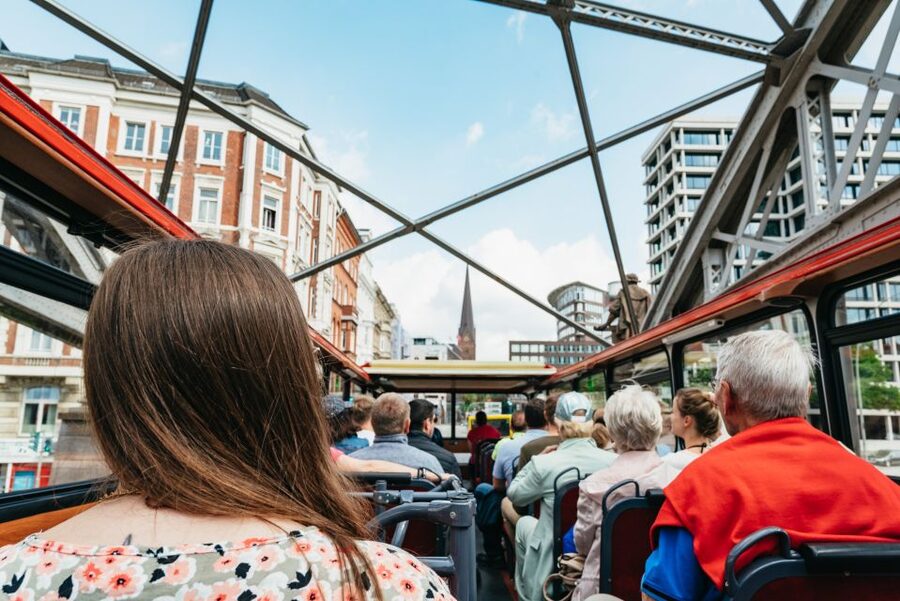
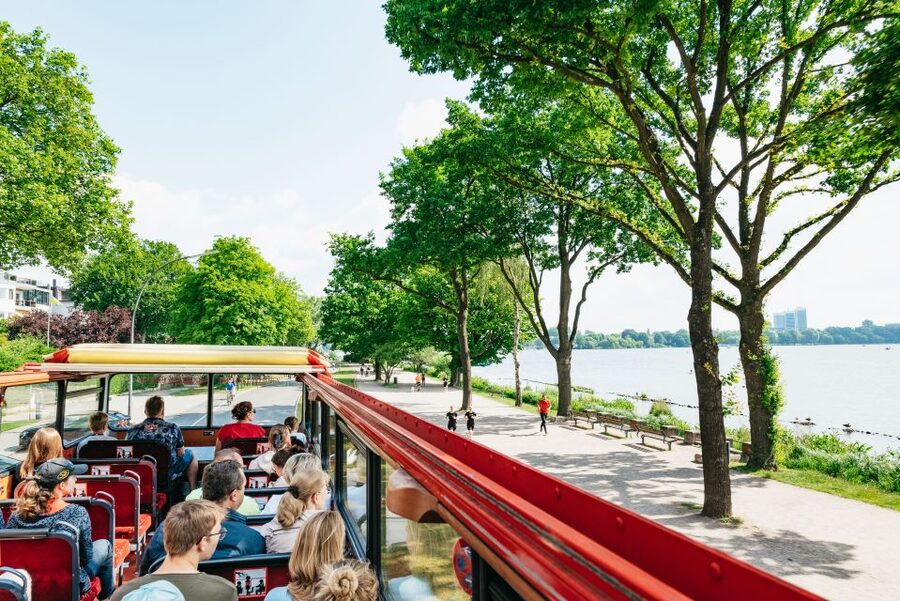
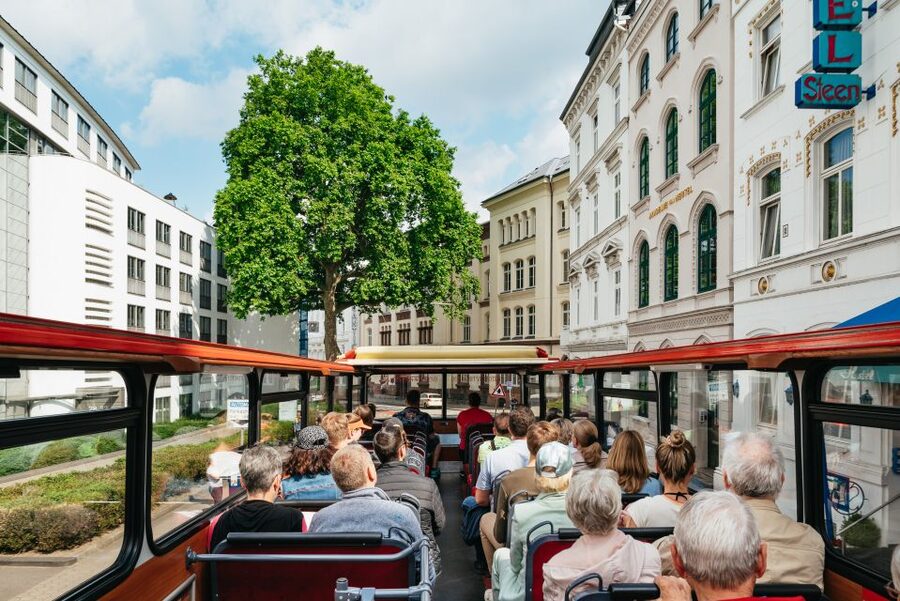
When weather cooperates, the bus can run open top, which is a big deal for photography and skyline views—especially around the harbor stretches. Still, Hamburg can be breezy even when it’s not freezing, so wear a layer you can tolerate for an hour on the upper deck.
Audio and comfort: what’s great, what to double-check
This tour leans heavily on the audio guide system: it’s GPS-controlled, delivered via headsets, and covers 11 languages (including English). It’s one of the main reasons the bus feels more useful than a simple sightseeing ride.
That said, there are a few comfort/quality notes worth keeping in mind:
- Headroom on the double-decker upper deck can feel tight for taller riders.
- Some people report the German loudspeaker announcements on the bus can be loud enough to interfere with the English headset audio.
- If audio clarity is crucial to you, keep an ear out for whether the loudspeaker is overpowering the headset in your section of the bus.
Who this tour fits best
This Line A bus works well if you:
- want a high-efficiency overview without pre-booking museum time,
- like learning the story behind streets and districts (harbor trade, urban development, civic center, and the Reeperbahn’s notoriety),
- prefer your sightseeing with breaks you control—hop off when you want photos or a walk, then hop back on.
It may be less ideal if you:
- want lots of stop-to-stop walking right away (because the route is built for passes plus selected hop-offs),
- need ultra-quiet audio without any competing announcements.
Quick practical tips for your ride
- Wear shoes you’re comfortable walking in during your hop-off moments; the bus gets you near places, but you still need to walk a bit.
- If you care about hearing the commentary, keep your headset volume up enough to beat street noise, especially near busier neighborhoods.
- Don’t assume every landmark is a guaranteed hop-off. Some are pass-by only (like Elbphilharmonie and HafenCity sections), so use the bus for orientation.
Should you book the Hamburg Line A hop-on hop-off bus?

If you want a simple, one-day way to cover harbor views, Speicherstadt area context, the lakeside city feel, and the Reeperbahn district—this is an easy yes. The GPS audio in 11 languages is the real value driver, and the hop-on hop-off flexibility keeps the day from feeling rushed.
I’d book it if your priority is getting your bearings fast and learning what you’re seeing as you go. If you’re very sensitive to audio mixing (headset vs loudspeaker) or tall and worried about headroom, consider choosing open-top and seat placement carefully, and expect some compromise in a noisy city district like Reeperbahn.
FAQ
How much does the Hamburg Line A hop-on hop-off bus tour cost?
The price is listed as $24 per person.
How long is the tour and is the ticket valid all day?
It’s a 1-day ticket, with validity for 1 day (check availability to see starting times).
How many stops are included on Line A?
You can hop on and hop off at 20 bus stops on the route.
What’s the main start location for the tour?
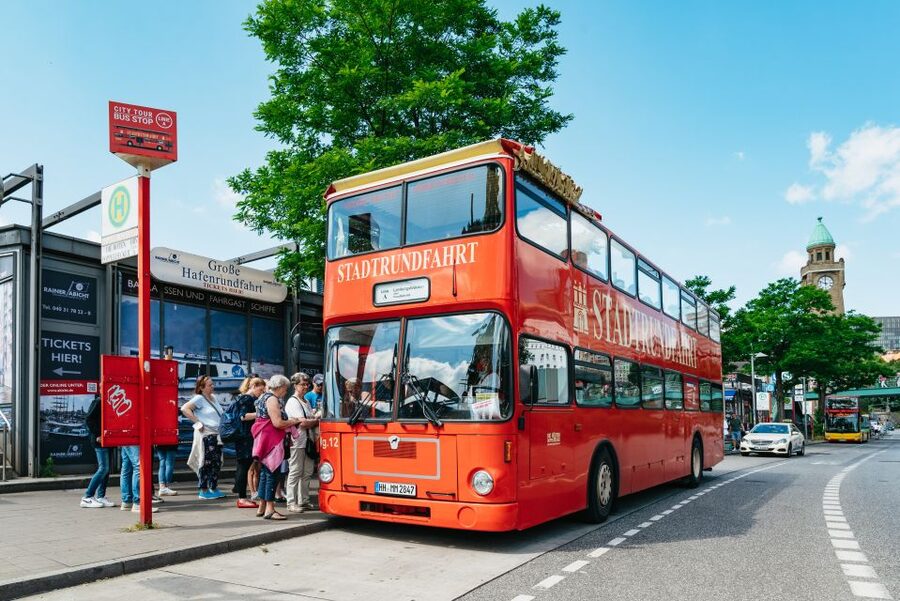
The starting location is U S Landungsbrücken. You can also board at Central Station/Kirchenallee or St. Pauli Landungsbrücken 1–2, or other stops.
Is the audio guide included, and what languages are available?
Yes, audio is included via a GPS-controlled system on headsets in 11 languages: English, German, French, Italian, Spanish, Portuguese, Japanese, Russian, Chinese, Arabic, and Danish.
Does the bus have an open-top option?
In nice weather, the bus goes open top for unobstructed views.
Is the tour wheelchair accessible?
Yes, it’s listed as wheelchair accessible.
How often do buses run in winter (November–April)?
From November to April, departures run every 60 minutes Monday–Thursday, and every 30 minutes Friday–Sunday.
What should I look for at the meeting point?
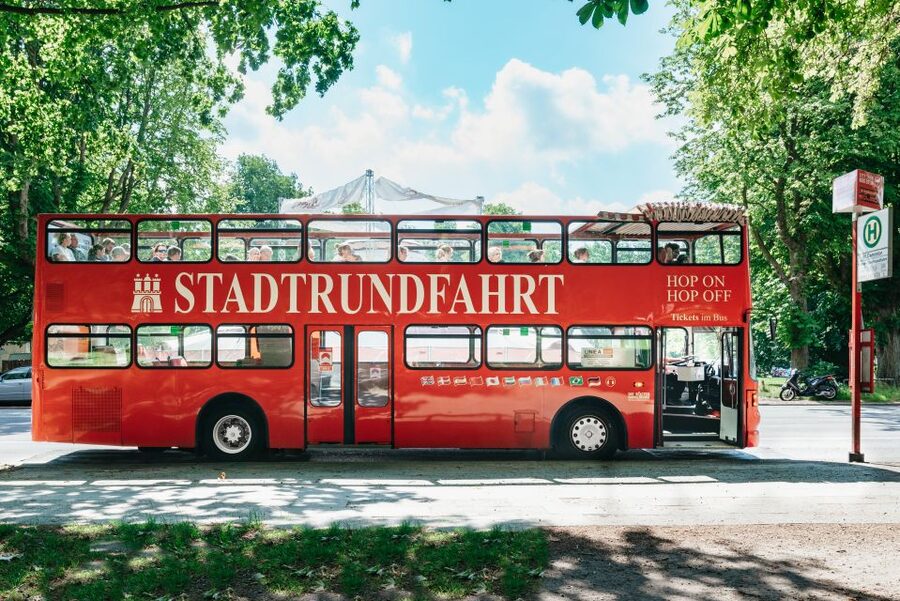
Look for the red double-decker Hamburger Stadtrundfahrt bus, and check the operator website for any timetable changes or stop relocations.
More Tours in Hamburg


More Tour Reviews in Hamburg


More Hop-On Hop-Off Bus & Boat Tours


Just In: The Newest Hamburg Reviews











Hop-On Hop-Off Bus & Boat Tours, compared.
 ★ 4.5Hop-On Hop-Off Bus with Alster or Harbor CruiseFrom $44812 reviews
 ★ 4.2Hop-On Hop-Off Bus City Tour – Line FFrom $24590 reviews
 ★ 4.3Line F Hop-On Hop-Off Bus and Boat TourFrom $43520 reviews
 ★ 4.1Line C Sightseeing Hop-On Hop-Off Bus TourFrom $24475 reviews
 ★ 3.5Hamburg Hop-on Hop-off Sightseeing Tour on Red Double Decker BusFrom $25409 reviews
 ★ 4.3Hop-On Hop-Off Bus Tour Family TicketFrom $51305 reviews
 ★ 4.01-Day Hop-on/Hop-off Bus Tour of Hamburg Line DFrom $24256 reviews
 ★ 4.3Hop-On Hop-Off Harbor Cruise with CommentaryFrom $31175 reviews
Browse the lists this tour appears in