
Ports have their own kind of theater. This Hamburg Port Promenade Tour lets you read the city through water, from Landungsbrücken along the Elbe toward Övelgönne, with stops that connect the docks to the food-and-trade story. I especially like how the route ties together ship traffic, old port buildings, and the St. Pauli Fish Market area so it feels less like sightseeing and more like understanding how Hamburg works. The main drawback: it’s a real walking outing and it depends on good weather, so plan for rain on backup days.
You’ll also want to go in with the right expectations. This is a private group stroll built for conversation and maritime context, not a jam-packed sprint between big-name landmarks, so if you’re chasing only postcard sights, you may feel a bit too port-focused.
In This Review
- Key takeaways before you go
- Why the Landungsbrücken to Övelgönne stretch feels so real
- Meeting on the water: quick orientation at Landungsbrücken
- Germany’s gateway to the world: what you’ll notice along the port
- St. Pauli Fish Market: more than a quick photo stop
- Neumühlen trade roots: factories, warehouses, and today’s shops
- Old pilots’ and captains’ houses meet modern waterfront buildings
- Piers, pleasure boats, and the choreography of river traffic
- Shipyards, cruise terminals, and containers: the working side of the Elbe
- Price and logistics: how $357.90 per group can be good value
- What the tour is like day-to-day: pacing, questions, and focus
- Who this fits best (and who might prefer another style)
- Should you book the Hamburg Port Promenade Tour?
- FAQ
- How long is the Hamburg Port Promenade Tour?
- Where do we meet for the tour?
- Is this a private tour?
- How much does it cost?
- Do I need a printed ticket?
- Is good weather required, and is cancellation possible?
Key takeaways before you go
- Elbe-focused route from Landungsbrücken toward Övelgönne for nonstop waterfront views
- St. Pauli Fish Market on the way, tied to Hamburg’s fish-trade story
- Port working life vibes: shipyards, cruise terminals, containers, and river traffic you can see up close
- Old maritime buildings + newer architecture: pilots’ and captains’ houses meet modern change
- Small private group up to 10, so your questions actually get answered
Why the Landungsbrücken to Övelgönne stretch feels so real
Hamburg’s waterfront doesn’t pretend to be a theme park. The whole Elbe corridor looks busy in a practical way: passenger boats and last ships sharing space, cranes and piers doing their job, and people stepping on and off at the waterfront points they actually use.
That realism is the point of this tour. You’re not just looking at the port like it’s a museum piece. You’re walking alongside it while you learn what each stretch meant for trade, labor, and everyday life. And the city’s food culture sneaks in naturally. Hamburg’s maritime identity isn’t only about ships; it’s also about what got shipped in, sold quickly, and turned into local traditions you can still find around the docks.
Two hours is long enough to settle into the rhythm of the river and still short enough that you won’t feel like you lost your whole day to asphalt and benches. I like that balance. You get story time without turning it into a full-day march.
More hours out on the harbour and the Elbe
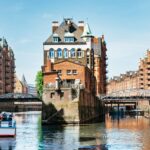

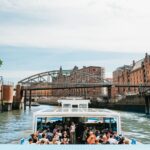
Meeting on the water: quick orientation at Landungsbrücken
Your start is at Landungsbrücken Brücke 320359 Hamburg. The good news is that this is one of those places where you can spot what’s going on fast. Even before the walk begins, you’re surrounded by the port’s motion: moored vessels, people coming and going, and piers that act like the city’s public living room.
Logistically, it’s also a smart meeting point. It’s described as near public transportation, which matters when you’re trying to make a coastal walk fit neatly into a sightseeing day. And since it’s a private tour for your group, you’re not dealing with the chaos of large mixed crowds.
For comfort, show up with walking shoes you actually trust. Two hours along the waterfront means you’ll be on your feet the whole time, and the surface can be uneven or just plain urban-dock-adjacent. This is Germany, so you’ll usually be fine, but your future self will thank you for shoes with grip.
Germany’s gateway to the world: what you’ll notice along the port
Hamburg has a nickname in this context: Germany’s gateway to the world. Standing by the water, you can feel why. The port isn’t just scenery. It’s a system—shipping lanes, terminals, containers, and the “supporting cast” of shipyards and port operations that keep everything moving.
On the walk, the emphasis is on helping you see the working parts, not just the pretty parts. You may pass or look toward elements like shipyards and cruise ship terminals, and you’ll likely catch sight of containers and the port’s industrial edges. The payoff is that the waterfront stops looking random. With a guide’s explanation, you start to understand why certain buildings are where they are, why the piers exist, and how the Elbe corridor shapes life in Hamburg.
This is also where the tour stays entertaining. Port visuals can get repetitive if you’re on your own. With someone explaining the purpose behind what you’re seeing, every crane, dock, and terminal becomes a clue.
St. Pauli Fish Market: more than a quick photo stop
You’ll see the St. Pauli Fish Market along the route. Even if you don’t plan to buy anything, it’s an anchor point because fish trade is one of Hamburg’s core themes. This isn’t abstract history. It’s tied to how goods moved and how the city made money and built neighborhoods around the waterfront.
In practice, the market area helps the tour shift from industrial visuals to human ones. You start to connect the dots between docks and meals. If you like food travel, this part is where the tour earns its keep. The provided feedback highlights learning about fish trading and how it shaped Hamburg’s maritime identity, and that knowledge makes the food scene feel less random when you’re walking afterward on your own.
If you’re the kind of traveler who likes to order based on stories, you’ll enjoy this. The tour doesn’t just point; it gives meaning so your next bite makes sense.
One consideration: markets and food spots can be crowded at peak times. Your tour time is only about two hours, so you may not linger as long as you would on a standalone market visit. Think of it as a learning stop, not a full-on shopping spree.
Neumühlen trade roots: factories, warehouses, and today’s shops
The tour brings up Neumühlen and its place in Hamburg’s trade story—especially around fish. This matters because Neumühlen isn’t only “some waterfront neighborhood.” It represents how old port economies shaped the built environment.
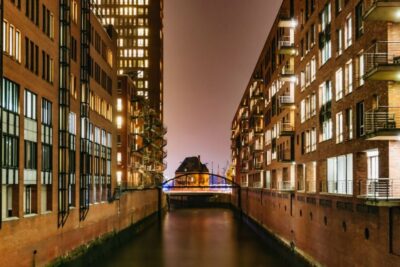
You’ll learn about how fish trade drove business and how the area evolved. That includes references to shops in former factory buildings and old warehouses transformed into flats. This is the kind of urban change you can’t easily spot from a bus window. Walking close by is what lets you notice the mix: older structures still holding on to their original role, and newer use cases moving in.
And then comes the fun part: food and culture in the same space. The waterfront edge here is described as offering traditional and new cuisine restaurants. That blend is important. It keeps the area from feeling stuck in the past, while still keeping the port connection alive.
If you like architecture but don’t want to spend hours in a museum, this is a good middle lane. You’re watching change happen at street level.

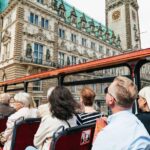



Old pilots’ and captains’ houses meet modern waterfront buildings
One theme that keeps popping up is contrast: contemporary architecture alongside older pilots’ and captains’ houses. That contrast does more than look interesting on a postcard. It tells you who benefited from the port and what kind of lives grew up around navigating the Elbe.
Pilots and captains are practical figures. Their homes and roles connect to safe passage, trade timing, and port knowledge. When you see these older houses in the same corridor as newer development, you get a sense of continuity—Hamburg keeps upgrading, but it doesn’t erase the people who built its maritime expertise.
I find that contrast especially satisfying on a walking tour because it’s slower than driving, and you can look up and around more often. It also makes your photos better. Instead of shooting “water + buildings,” you’re framing story in the same shot.
Piers, pleasure boats, and the choreography of river traffic
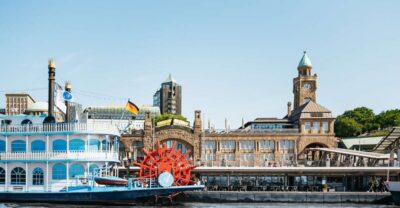
Part of the charm here is the number of piers along the way and what they do. They act like stepping stones between the port’s working world and its leisure side. Many piers serve as starting points for pleasure boat trips up and down the Elbe, and you can often see activity that makes those excursions feel grounded in real river life.
This also changes how you experience time. On your own, a waterfront walk can feel like watching the same view again and again. Here, the piers and boat movements add mini-events: arrivals, departures, and the steady flow of people moving through the port.
If you’re a “public transportation person,” you’ll appreciate this. Piers aren’t just tourist props in Hamburg. They’re part of how the city’s riverside functions.
Practical tip: if boats are running, don’t expect the tour to stop for long photo sessions every time. The focus is walking and explanation. If you want extra time for pictures, take it after the tour when you’re near the same viewpoints.
Shipyards, cruise terminals, and containers: the working side of the Elbe
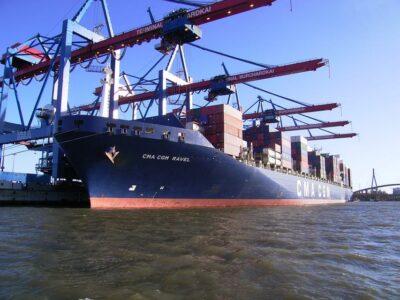
One of the stronger points from the provided feedback is that the walk can include views over shipyards, cruise ship terminals, containers, beaches, and residential areas. That mix is useful because it shows the port as a neighbor, not an isolated industrial wall.
This is where the tour becomes a reality check in a good way. Ports can look chaotic from the street, but with context you start to see structure. You learn how the different parts fit together—cargo areas, passenger terminals, and the edges where daily life continues nearby.
If you’re someone who likes understanding how cities actually operate, this part will land well. If you’re only chasing classic monuments, the port work might feel a bit less dramatic than you hoped. Still, it’s compelling when you realize how much of Hamburg’s identity is tied to shipping and river logistics.
Price and logistics: how $357.90 per group can be good value
The price is $357.90 per group (up to 10) for about 2 hours. On paper, that might sound high if you compare to a ticket you buy per person. But private-group pricing is different math.
Here’s how I’d judge value:
- If you’re traveling with 3–10 people, you can spread the cost and get a lower per-person rate.
- You’re not getting a rushed script. A private tour means you can ask questions and keep the pace comfortable for your group.
- You also get a guided lens for what would otherwise be a hard-to-interpret area. Ports look obvious from a distance, but the meaning behind buildings and routes is what you’re really paying for.
One review also noted pricing around €30 for a two-hour tour (in a different currency and price context), which suggests that the tour experience can feel fairly reasonable when you match it to the time and what you’re seeing. The big difference is your booking is set up as a group rate here.
Mobile ticket convenience is also part of the value. You don’t need to print anything complicated. You’ll have a mobile ticket, and you can show up without extra admin.
What the tour is like day-to-day: pacing, questions, and focus
A two-hour waterfront walk is a sweet spot. It’s long enough to cover the stretch from Landungsbrücken toward Övelgönne, but short enough that you can still fit it into a longer Hamburg day.
Because it’s private and limited to your group, you can keep your questions specific: How did fish trade shape the area? Why are these buildings here? What’s the role of the piers and terminals? This is the kind of tour where the explanations can turn what you’re already seeing into something you remember.
Also, since it’s described as educative and entertaining, expect a guide-style approach where the story stays tied to visuals. You’re not stuck in lectures. You’re walking while the information comes to life in front of you.
Who this fits best (and who might prefer another style)
This Hamburg Port Promenade Tour is ideal if you:
- Like maritime cities and want more than a quick harbor view
- Enjoy food travel tied to place and work (fish trade to dishes)
- Prefer a private, small-group pace over crowded group tours
- Want context for shipyards, terminals, and river traffic without studying beforehand
It may be less ideal if you:
- Want only landmark sightseeing and minimal walking
- Are hoping for a deep museum-style experience in one sitting
- Dislike weather-dependent plans, since it requires good weather
Most people can participate, which is a relief if you’re balancing multiple activities. Still, treat it as a walking tour: plan for comfort, not for standing still.
Should you book the Hamburg Port Promenade Tour?
If your idea of a great Hamburg day includes the Elbe waterfront, food rooted in trade, and learning how the port shapes neighborhoods, I think this is a smart booking. The combination of fish-trade storytelling, market area context, and the working-side port views (shipyards, terminals, containers) is exactly the kind of experience that turns a waterfront from scenery into understanding.
Book it if you want a focused two-hour walk with a private-group feel and a strong chance of memorable visuals. Skip it if you’re only chasing classic sights and don’t care about how a major river port really functions.
If the weather forecast looks uncertain, check it closely. Hamburg’s waterfront is beautiful, but you’ll enjoy this most when the sky plays along.
FAQ
How long is the Hamburg Port Promenade Tour?
It runs for about 2 hours.
Where do we meet for the tour?
The start point is Landungsbrücken Brücke 320359 Hamburg, Germany.
Is this a private tour?
Yes. It’s a private tour/activity with only your group participating.
How much does it cost?
It costs $357.90 per group, up to 10 people.
Do I need a printed ticket?
No. The tour uses a mobile ticket.
Is good weather required, and is cancellation possible?
Good weather is required. The cancellation policy is free cancellation up to 24 hours in advance for a full refund.
More Tours in Hamburg
More Tour Reviews in Hamburg
More Harbour Tours & Elbe Cruises

Just In: The Newest Hamburg Reviews




Grand Harbor Tours & Elbe Cruises, compared.
 ★ 4.61.5-Hour Harbor and Speicherstadt Day CruiseFrom $4014,200 reviews
 ★ 4.72-Hour XXL Port of Hamburg Cruise TourFrom $476,979 reviews
 ★ 4.41-Hour Harbor Evening Lights CruiseFrom $304,861 reviews
 ★ 4.41-Hour Harbor Sightseeing Cruise with HafenCityFrom $303,067 reviews
 ★ 4.61-Hour Harbor CruiseFrom $282,283 reviews
 ★ 4.21.5h Grand Harbor Evening Lights CruiseFrom $281,316 reviews
 ★ 4.5Hop-On Hop-Off Bus with Alster or Harbor CruiseFrom $44812 reviews
 ★ 4.7Harbor Cruise with Wine and CheeseFrom $49795 reviews
Browse the lists this tour appears in