

Reviewed · ST. PAULI KIEZTOURS
Hamburg: Reeperbahn & St. Pauli by Day
St. Pauli looks different in daylight. I like that this 2-hour walking tour gives you context for what you’re seeing along the Reeperbahn, not just surface-level photos. Starting at Millerntorplatz by St. Pauli Stadium, the guide connects the dots on how this harbor-side area shifted toward entertainment, then you’ll hit the square dedicated to The Beatles for a pop-culture waypoint.
The other thing I really like is the pace: 2 hours is long enough to get your bearings and still short enough to keep it easy on your feet. Guides such as Jenny, Kerstin, Ulf, and Guido Flo are specifically praised for making the stories feel lively and fun, and for keeping things workable even for teens.
One drawback to consider is that St. Pauli can feel gritty, and the tour’s tone depends on the guide. There’s at least one piece of feedback where a visitor felt the guide’s comments went the wrong direction, so you’ll want to be the kind of person who can roll with blunt local history.
In This Review
- Key highlights and why they matter
- St. Pauli by daylight: seeing the story, not the spectacle
- Meeting at St. Pauli metro: get oriented fast
- Stopping near the Davidwache police station
- Herbertstrasse: the street everyone hears about
- Hans-Albers-Platz: why it’s called the Hamburger Bermuda Triangle
- Große Freiheit and the district’s entertainment engine
- The Beatles square: pop culture with a local address
- Price and value: is $21 worth 2 hours?
- Who this tour fits best (and who should rethink it)
- The guide experience: why names like Jenny and Kerstin come up
- What you should do before and after the walk
- Should you book Hamburg: Reeperbahn & St. Pauli by Day?
- FAQ
- Where is the meeting point for this tour?
- How long does the tour last?
- What language is the live guide?
- What is included in the price?
- Are drinks or bar/club entry included?
- Is it suitable for families during the day?
Key highlights and why they matter

- Reeperbahn by day: You see landmarks without the nighttime noise.
- Millerntorplatz as your starting anchor: It’s easy to find and sets the theme fast.
- Davidwache + Herbertstrasse context: You learn what shaped the district and why it has the reputation it does.
- Hans-Albers-Platz, the Hamburger Bermuda Triangle: A central point where the area’s energy concentrates.
- Große Freiheit + The Beatles square: You connect older entertainment culture with famous music history.
- Short, guided, and practical: It’s built for orientation, not a half-day lecture.
St. Pauli by daylight: seeing the story, not the spectacle
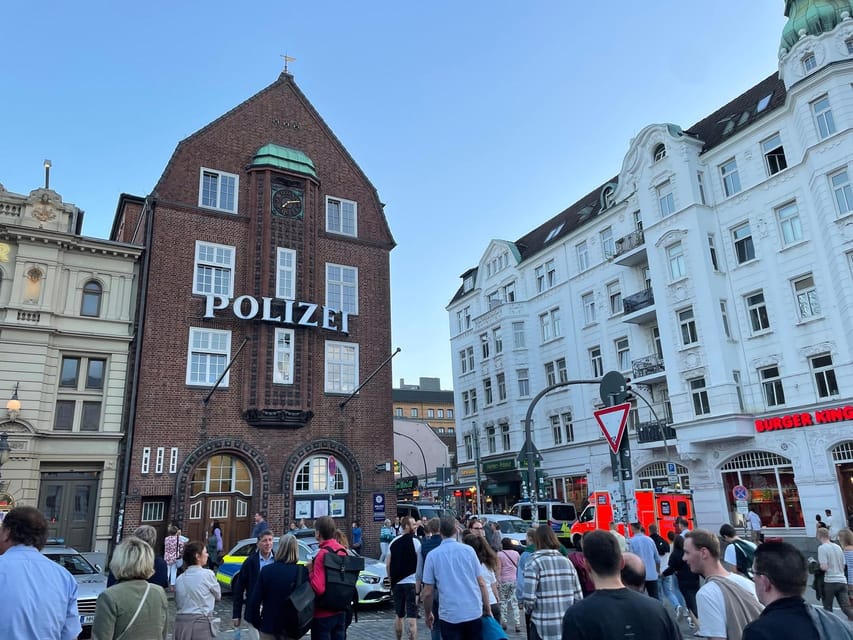
Doing St. Pauli after dark is what most people think of first. This tour flips that. In daylight, the Reeperbahn and St. Pauli feel more like a real neighborhood with real streets and real buildings, which makes the stories land better.
I like how the guide doesn’t treat the district like a costume. You’re walked through how the area developed—from a harbor-side stopping point for sailors and workers to a place tied to performance and night life culture. That “daylight lens” is great if you’re trying to understand the place instead of only snapping photos of signs and storefronts.
You’ll also get a useful sense of boundaries. The St. Pauli reputation can make people either curious or cautious. This kind of guided walk gives you a middle path: you can look, ask questions, and understand why the area became what it is, without needing to guess.
More of the Reeperbahn and St. Pauli after dark


Meeting at St. Pauli metro: get oriented fast
The tour starts outside St. Pauli metro station, Exit Millerntorplatz/Reeperbahn. Your guide waits near a phone booth, holding a white bag, so you’re not stuck wandering the crowd.
This matters more than it sounds. St. Pauli gets busy around major streets, and if your first step is figuring out where your group is, you lose momentum. Here, the meeting point is clear and tied to St. Pauli Stadium and Millerntorplatz, so you can start walking with confidence.
The tour is also marked as wheelchair accessible. Since it’s a 2-hour walking experience, that’s a helpful signal that the route is intended to be manageable for people who need easier mobility.
Stopping near the Davidwache police station
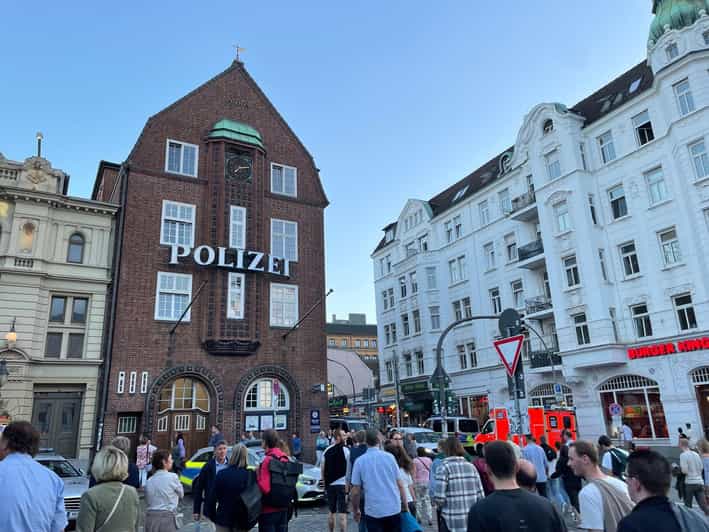
One of the first meaningful points on the walk is the area around the Davidwache police station. Even if you don’t go inside anything, this kind of stop helps you understand that St. Pauli isn’t just entertainment—it’s also law, order, and the constant push-pull between residents, business, and outsiders.
The guide uses this location to set tone: why the district attracted attention, and how institutions and public behavior shaped the reputation. It’s a smart anchor because it’s concrete. You’re not only hearing abstract talk about “the past”—you’re looking at a specific landmark that has long been part of the district’s everyday reality.
Herbertstrasse: the street everyone hears about

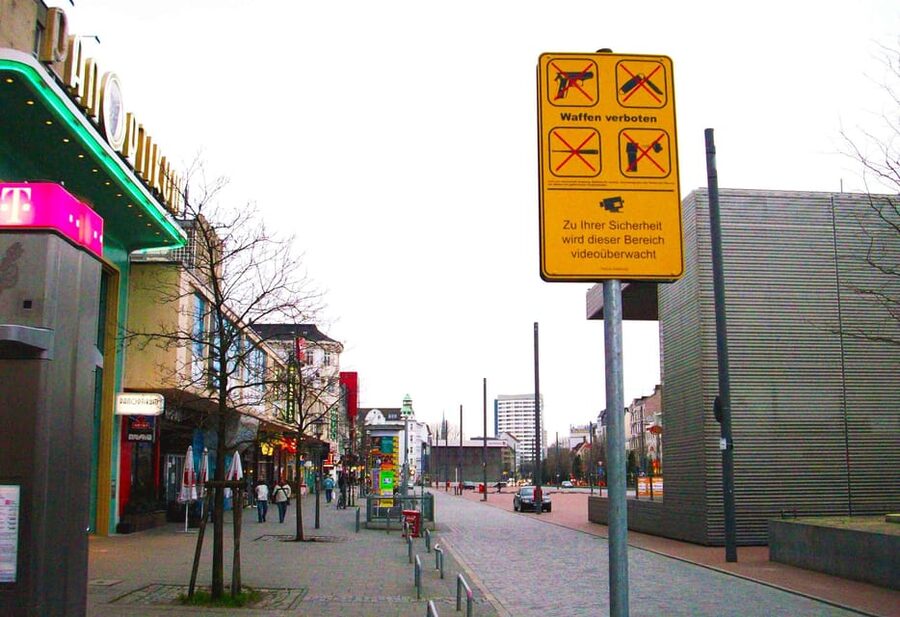
Next comes Herbertstrasse, a street known for its links to prostitution and crime. The point of visiting it with a guide is not shock. It’s understanding.
A lot of districts develop reputations because of money, demand, and social rules that change over time. A guided stop on Herbertstrasse helps you connect those dots: how and why these patterns formed, and how they affected life in the neighborhood. You’ll also get a better sense of how the area manages its own identity—what gets hidden, what gets advertised, and what becomes a long-running story people repeat.
Practical tip: keep your posture open but your senses alert. Even in daylight, this is a place where behavior can be a mix of locals, visitors, and people passing through. The guide’s framing helps you avoid reading everything as a single “scene.” It’s a street with history, not a movie set.
Hans-Albers-Platz: why it’s called the Hamburger Bermuda Triangle
Then you reach Hans-Albers-Platz, known as the Hamburger Bermuda Triangle. That nickname isn’t just for laughs. It signals how this pocket of streets pulls people in, then reshuffles their sense of direction and purpose.
From here, the tour’s energy shifts. It stops feeling like you’re learning from the outside and starts feeling like you’re navigating the district’s internal logic. It’s a central node where the area’s “nightlife map” and daylight reality overlap.
I like this stop because it’s a great way to orient. After you’ve walked a bit, your brain starts comparing blocks and intersections. Hans-Albers-Platz gives you a reference point so the rest of the walk makes more sense. When you later wander around on your own, you’ll understand why people call it that triangle.
More Kieztours through the heart of St. Pauli



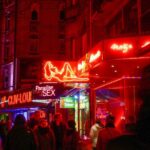


Große Freiheit and the district’s entertainment engine
The walk ends around Große Freiheit, a street associated with St. Pauli’s legendary nightlife. The tour connects this street to what people do there—dance, drink, and enjoy themselves—while also explaining how it has kept its status over the years.
Why does this stop matter? Because it lets you translate everything else you’ve heard. Herbertstrasse tells you about the darker side and the district’s reputation. Hans-Albers-Platz shows you the central hub feel. Große Freiheit is where you see the “entertainment function” of the area in the most straightforward way.
Even if you’re not planning to go out tonight, it’s useful to understand what kind of entertainment infrastructure exists here. This is a neighborhood where nightlife isn’t a side project—it’s part of the local identity and economy.
The Beatles square: pop culture with a local address
One of the stated highlights is a visit to the square dedicated to The Beatles. This is a smart inclusion because it changes how you read the streets.
If you’ve only heard about St. Pauli through its nightlife reputation, this stop adds a second storyline: music, influence, and how Hamburg became part of global pop culture. In daylight, you can actually slow down, look at the surroundings, and understand that the Beatles link isn’t just a random tourist photo spot—it’s a marker of how this city area helped shape famous cultural history.
For you, it means the walk offers more than one takeaway. You leave with both the social-history thread and the music-history thread, without needing to research for hours afterward.
Price and value: is $21 worth 2 hours?
At around $21 per person for a 2-hour guided daytime walk, the value is in the guide-led structure. You’re paying for orientation plus narrative, which is exactly what you lose if you stroll on your own.
This tour’s setup is especially good if:
- You want to understand St. Pauli’s reputation without guessing.
- You’d rather have a plan than wander uncertain blocks.
- You like walking tours that end at a clear area you can explore further on your own.
Also, note what’s not included. Drinks aren’t included, and there’s no entrance into bars or clubs. That’s good for value if you’re traveling with a budget. You still get context for nightlife culture, but you’re not forced into paying nightlife prices during the tour.
Who this tour fits best (and who should rethink it)
This daytime format tends to work well for a range of ages. It’s even described as offering many family-friendly activities and attractions during the day, and the tour has been noted as enjoyable for a 12-year-old, plus workable for teens.
It’s a good fit if you:
- Like street-level history and want your questions answered.
- Prefer a short guided walk rather than a long day plan.
- Are curious about how neighborhoods evolve.
It may be less ideal if you:
- Get uncomfortable with streets associated with crime or prostitution, even when the tour is handled respectfully.
- Strongly prefer a strictly upbeat tone with no mention of difficult topics.
- Are sensitive to the way guides phrase stories. Tone matters here, based on real feedback.
My advice: if you’re not sure how you’ll handle the subject matter, do this on a weekday daytime and keep your expectations realistic. You’re learning about a real district, not visiting a sanitized theme zone.
The guide experience: why names like Jenny and Kerstin come up
The tour is led in German by a live guide. That’s a big part of the quality—this isn’t a self-guided audio route where you might miss the connections.
There’s a clear pattern in the praise: guides like Jenny and Kerstin are described as very friendly, and the tour is said to feel both informative and entertaining. Ulf also gets standout credit for making the walk feel interesting and not too long, while Guido Flo has been mentioned as successfully handling his first full guide experience.
What you can take from that: you’re more likely to enjoy this tour if you’re open to conversation and if you want stories with personality. If you keep your mind on the landmarks and the neighborhood evolution, the guide’s style becomes a bonus instead of a distraction.
What you should do before and after the walk
Before you go, wear shoes you can walk in. Even though it’s only 2 hours, St. Pauli streets add up fast, and you’ll want to focus on the guide instead of thinking about sore feet.
After the tour, you’ll likely want to continue exploring on your own around the areas you’ve been introduced to—especially around Große Freiheit. Since the tour ends there, it’s a natural starting point if you want a longer wander, shop, or just keep watching how the district looks in daylight.
And if you’re planning a day in Hamburg beyond St. Pauli, this walk helps you connect dots. You’ll understand why this neighborhood is so often mentioned in the same breath as music history and nightlife culture. That context makes the rest of your city time more meaningful, not just more sightseeing.
Should you book Hamburg: Reeperbahn & St. Pauli by Day?
Book it if you want a structured, daylight way to understand a place with a complicated reputation. For the price and short duration, the guided context around Davidwache, Herbertstrasse, Hans-Albers-Platz, Große Freiheit, and the Beatles square is exactly the kind of value that’s hard to recreate on your own.
Skip it or choose carefully if you’re very sensitive to the district’s darker associations, or if you strongly dislike any blunt humor or sharp commentary in how history is told. This is a real neighborhood with real stories, and the tour reflects that.
If you want an honest “see the streets, learn why they matter” experience in just a couple hours, this one is a strong pick.
FAQ
Where is the meeting point for this tour?
You meet your guide outside St. Pauli metro station at Exit Millerntorplatz/Reeperbahn. The guide will be standing near a phone booth, holding a white bag.
How long does the tour last?
The tour lasts 2 hours.
What language is the live guide?
The live tour guide speaks German.
What is included in the price?
The tour includes a guided daytime walking experience in St. Pauli plus insider information about the district and how it developed.
Are drinks or bar/club entry included?
No. Drinks are not included, and there is no entrance into bars or clubs.
Is it suitable for families during the day?
During daylight hours, St. Pauli and the Reeperbahn are described as offering many family-friendly activities and attractions.
More Tour Reviews in Hamburg




More St. Pauli Kieztours

More Reeperbahn & Red-Light Walks


Just In: The Newest Hamburg Reviews









St. Pauli Kieztours, compared.
 ★ 4.7Insider Tour of the Reeperbahn & St. PauliFrom $295,057 reviews
 ★ 4.7Night Watchman’s Tour of St. Pauli in GermanFrom $234,818 reviews
 ★ 4.7In the Footsteps of “Olivia” Reeperbahn TourFrom $5003,947 reviews
 ★ 4.7St. Pauli Highlights Guided Tour with Beer for 18+From $292,353 reviews
 ★ 4.8Olivia Jones Tour with Iconic Barker FabianFrom $421,395 reviews
 ★ 4.7Reeperbahn Quickie, The Short & Sexy St. Pauli TourFrom $23915 reviews
 ★ 4.8St. Pauli Nightlife Tour with Drag Queen in GermanFrom $41733 reviews
 ★ 4.7St. Pauli Tour of the ReeperbahnFrom $16644 reviews
Browse the lists this tour appears in