
Reviewed · ST. PAULI KIEZTOURS
Hamburg: St. Pauli 1.5-Hour Tour
St. Pauli tells stories in plain sight. This 1.5-hour Hamburg St. Pauli tour is built to show you how the district looked then and what’s on the ground today, starting right at Davidwache. You’ll get a guided route through major landmarks and a few lesser-known corners, all tied to historical photos and original sources.
I like two things a lot: first, the English-speaking guidance and calm, friendly pacing that makes it easy to ask questions. Second, the small group size (2–12), which keeps the tour personal instead of herded.
One thing to consider: this is mostly a street-and-building walk, so if you’re hoping for an inside look at nightlife venues, you may find it stays firmly outdoors and street-level.
In This Review
- Key highlights worth your time
- St. Pauli in 90 minutes: what this tour really delivers
- Meeting at Spielbudenplatz 31 and why Davidwache matters
- The photo-and-source approach: how you see St. Pauli change
- Davidstraße: the street walk that sets the tone
- Hans-Albers-Platz: where local stories take over
- St. Pauli Church: a landmark with perspective
- Beatles-Platz: pop culture meets place-based history
- Grosse Freiheit: the street that sums up the vibe
- Lesser-known corners: why the tour feels more real
- Local guides and English service: getting answers, fast
- Pacing and what you should expect to see
- Price and value: is $30 for 1.5 hours fair?
- Who this St. Pauli tour is best for
- Should you book the Hamburg St. Pauli 1.5-hour tour?
- FAQ
- Where is the meeting point?
- How long is the Hamburg St. Pauli tour?
- What stops are included on the route?
- What languages are available?
- What group size should I expect?
- Is the tour wheelchair accessible?
Key highlights worth your time
- Davidwache police station meet-up for an easy start and clear neighborhood context
- Historical photos and original sources to compare then vs. now as you walk
- Davidstraße, Hans-Albers-Platz, St. Pauli Church as core anchors of the area
- Beatles-Platz and Grosse Freiheit to connect St. Pauli’s pop-culture reputation with real streets
- Local-resident guides who know the neighborhood beyond the brochure
- 2–12 people max so you can steer questions where you want
St. Pauli in 90 minutes: what this tour really delivers
St. Pauli can feel like a blur when you’re walking it on your own. The area has that reputation, sure, but it also has layers—people, politics, architecture, and changes over time. What I like about this tour is that it doesn’t treat the neighborhood like a single mood. It treats it like a place with a timeline.
In 1.5 hours, you cover the essentials and then go a bit further. You’ll hit the well-known spots, but you’ll also be guided through smaller streets and corners, which is where the district stops being a postcard and starts becoming understandable. Guides are mostly locals, so the tone tends to be practical and lived-in, not lecture-like.
The setup is also smart: before you start walking, you get an introduction at the meeting point that frames what you’re about to see. That makes the rest of the tour click faster.
More Kieztours through the heart of St. Pauli



Meeting at Spielbudenplatz 31 and why Davidwache matters
You meet at Spielbudenplatz 31, in front of the Davidwache police station. That’s a solid choice for a first look, because it gives you an obvious anchor in the middle of St. Pauli.
Starting here also helps you read the neighborhood in context. You’re not just wandering toward the next landmark—you’re beginning from a spot that feels tied to the district’s everyday life and reputation. Even if you know little about Hamburg, this kind of central, recognizable starting point helps you orient fast.
The photo-and-source approach: how you see St. Pauli change
A big part of what you get is the comparison between past and present. After a brief introduction, the guide uses historical photos and original sources to tell you what the district used to be like. Then you walk and compare it to what’s there now.
This method is more useful than it sounds. Many walking tours show landmarks without helping you interpret the shifts. Here, the learning isn’t just about facts—it’s about noticing. You’ll look at street layouts, landmark locations, and the feel of different stretches, then connect them to what you saw earlier in the photos and documents.
And because it’s guided, you don’t have to guess what the images mean. The guide can point out the clues and explain why certain places matter, which is especially helpful if you’re short on time and want your first St. Pauli experience to land.
Davidstraße: the street walk that sets the tone
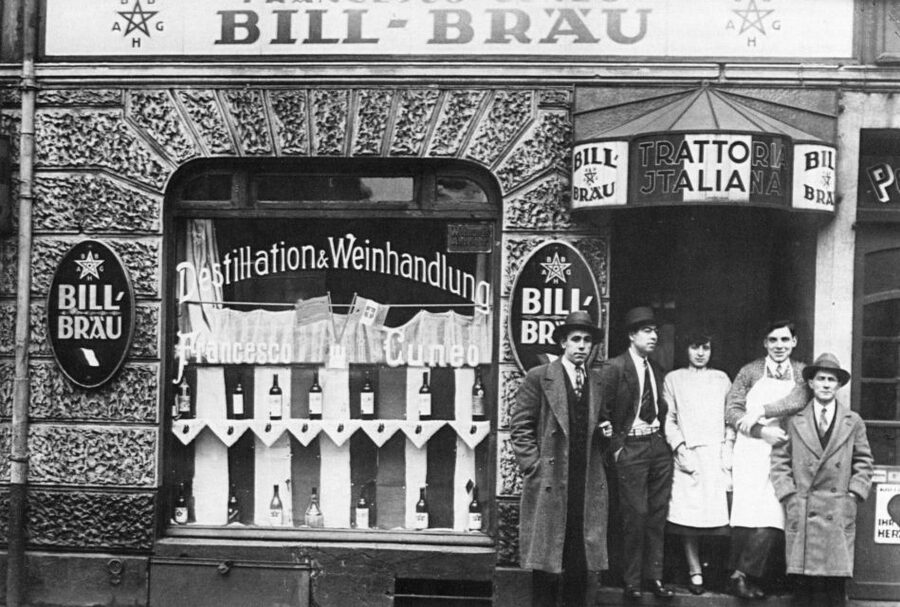
One of the tour’s first stops is Davidstraße. Think of this as a route segment where the guide can show you how St. Pauli works as a neighborhood, not just a collection of famous spots. Streets like Davidstraße are where the “everyday” texture shows—how people move, how buildings line up, and how the area feels in real time.
What makes this stop valuable is the contrast element. You’re not only seeing a street—you’re comparing what the guide shows from historical sources to what you’re standing in front of. That makes the street feel like a chapter rather than a passage.
If you’ve only ever associated St. Pauli with nighttime imagery, Davidstraße is a useful correction. It helps you understand the district as something that has existed through different eras, not just through one famous decade.
Hans-Albers-Platz: where local stories take over
Next you’ll reach Hans-Albers-Platz. This is one of those places that can be easy to overlook if you’re moving too fast, but on a guided tour it becomes a turning point. The guide can help you connect why this location is meaningful and how it fits into St. Pauli’s broader story.
I like stops like this because they balance the big public landmarks with a sense of neighborhood character. It’s not only about what’s famous—it’s about what locals remember and talk about when they’re explaining the district to outsiders.
Also, since you’re in a small group, you have room to ask the questions that pop up while you’re standing there. That’s one of the quiet perks of the 2–12 person size.




St. Pauli Church: a landmark with perspective
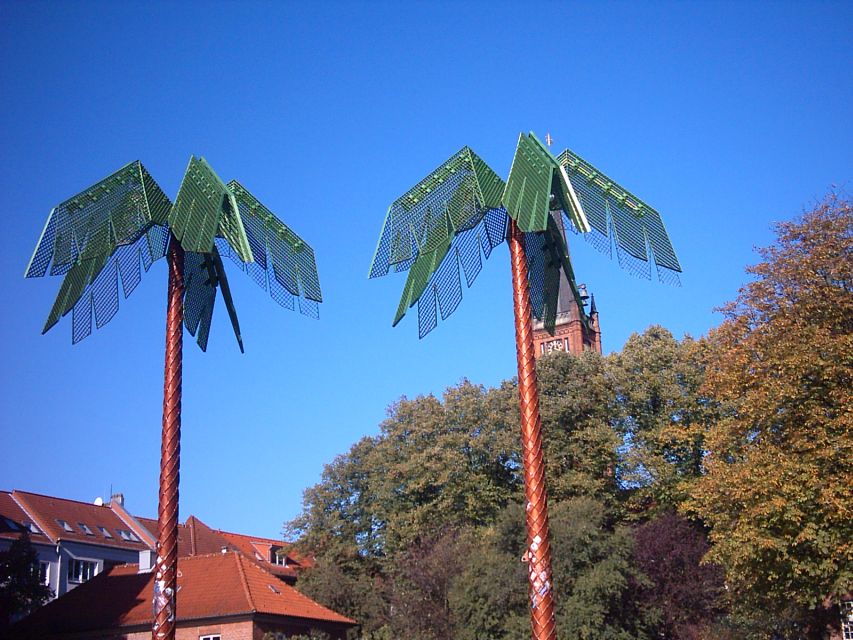
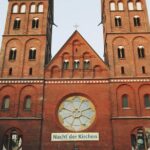
The tour includes St. Pauli Church, another key anchor in the area. Churches are often useful on city tours because they help you visualize long-term change. You’re standing at a fixed reference point while the district around it has evolved.
Even when you don’t know much about local architecture or religious history, the tour’s structure helps. You’ll be guided through the idea of past vs. present, so the church becomes a viewpoint: a place to understand continuity amid change.
If you’re the kind of traveler who likes understanding a neighborhood’s bones—how life is organized, what landmarks persist, how public space is shaped—this stop tends to land well.
Beatles-Platz: pop culture meets place-based history
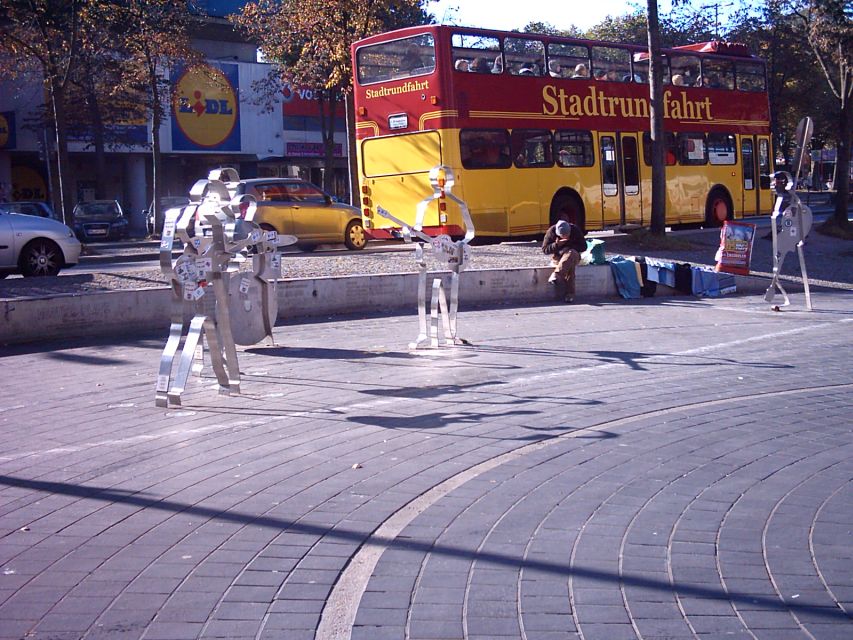
Then you head to Beatles-Platz. This stop is a good reminder that St. Pauli’s reputation isn’t only built on streets and everyday life—it’s also shaped by culture and music stories that outsiders recognize.
What I’d watch for here is the guide’s focus on how the cultural identity connects to physical reality. Instead of treating Beatles-Platz like a “photo spot,” the tour uses it as another comparison point: what the district meant then, and what it means now in the context of the streets around it.
If you’re a first-time visitor to Hamburg, this is an easy win. It gives you a familiar reference and then uses the tour’s historical framework to make it feel grounded.
Grosse Freiheit: the street that sums up the vibe
The tour also takes you to Grosse Freiheit. This is one of those St. Pauli streets that carries a strong identity, and walking it on a guided route helps you read it beyond its reputation.
Because the tour is designed around historical photos and sources, you’re not just absorbing atmosphere—you’re seeing how St. Pauli’s famous street identity relates to the district’s longer story. That’s what keeps the tour from becoming only a “what you already know” experience.
One practical note: since this is a walking tour through an active neighborhood, you’ll likely spend real time on sidewalks and street corners. Wear shoes you can stand in, and plan to move at a steady pace for about 90 minutes.
Lesser-known corners: why the tour feels more real
A standout theme in how this tour is described is that it doesn’t stick to only the most immediate Kiez views. You’ll also walk through smaller streets and corners that you might miss if you’re just following the biggest-name drag.
I love that approach because it changes what “understanding a neighborhood” means. Instead of seeing St. Pauli as one long strip, you see it as a set of interconnected streets with different characters. Those less obvious blocks are where you start noticing how the district operates as a community space.
That also makes the tour feel better value. With a time limit of 1.5 hours, you want the route to cover ground that adds clarity, not just repetition.
Local guides and English service: getting answers, fast
One of the most praised parts of the experience is the quality of the guidance, especially when you want an English tour option. You get a live guide, and the tone is practical. You’re not just hearing a story from a script—you’re getting someone who knows the neighborhood well and enjoys explaining it.
And because the group stays small, questions come easily. If you’re curious about how St. Pauli developed, or why certain locations matter, this is exactly the kind of setting where you can ask and get a straight answer on the spot.
You’ll usually get the best experience if you show up with at least one thing you want to understand—then use the guide to connect your curiosity to what you’re seeing.
Pacing and what you should expect to see
This tour is designed to cover multiple stops without dragging. It gives you an introduction up front, then a guided walk that links each stop to historical context. The route includes Davidstraße, Hans-Albers-Platz, St. Pauli Church, Beatles-Platz, and Grosse Freiheit, plus extra quieter corners.
You should expect a lot of looking and listening, less “standing around.” It’s also framed as an introduction to many sides of St. Pauli in about an hour of active walking, depending on how questions slow the group down (small groups usually mean more time for real conversation, not less).
If the weather is nasty, remember you’re outside. One of the most useful things you can do is bring a warm layer and be ready for a bit of standing and walking. This tour isn’t presented as a museum stop marathon; it’s a neighborhood walk.
Price and value: is $30 for 1.5 hours fair?
At $30 per person for 1.5 hours, this tour is priced like a focused, guided neighborhood intro. For me, the value comes from three things you don’t always get at this price point.
First: you get historical photos and original sources, not just a narrative. That adds real depth for people who like context. Second: the group size is small, which typically improves the quality of your questions and interaction. Third: the route covers major anchors plus lesser-known corners, so it doesn’t feel like you only paid for a few photo ops.
If you already know the basics of St. Pauli and only want nightlife vibes, you might skip it. But if you want a guided understanding of what you’re seeing—history, architecture-adjacent observations, and how locals frame the district—this is a strong use of time in Hamburg.
Who this St. Pauli tour is best for
This tour is a great fit if:
- You’re visiting Hamburg for a short time and want a clean St. Pauli orientation fast
- You like history that connects to real streets and buildings
- You want an English option with a local guide and room to ask questions
- You’d rather understand the neighborhood than just walk through it casually
It’s less ideal if:
- You’re specifically looking for an inside look at clubs or nightlife venues. This tour stays focused on streets and landmark context rather than door-to-door access.
Should you book the Hamburg St. Pauli 1.5-hour tour?
I’d book it if you want your first St. Pauli experience to feel structured and meaningful. The mix of historical photos, original sources, and a local guide’s street-level storytelling makes the 90 minutes feel like more than a stroll.
If you do book, I’d come ready to look closely. Read what the guide points out, ask one or two questions at each stop, and don’t rush past the quieter corners—the tour’s value is strongest when you’re comparing then and now.
FAQ
Where is the meeting point?
The tour meets at Spielbudenplatz 31, in front of the Davidwache police station.
How long is the Hamburg St. Pauli tour?
It lasts 1.5 hours.
What stops are included on the route?
The tour includes Davidstraße, Hans-Albers-Platz, St. Pauli Church, Beatles-Platz, and Grosse Freiheit, plus lesser-known corners of St. Pauli.
What languages are available?
The live tour guide offers German and English.
What group size should I expect?
It’s a small group tour with 2–12 people.
Is the tour wheelchair accessible?
Yes, the tour is wheelchair accessible.
More Tours in Hamburg

More Tour Reviews in Hamburg


More St. Pauli Kieztours



Just In: The Newest Hamburg Reviews









St. Pauli Kieztours, compared.
 ★ 4.7Insider Tour of the Reeperbahn & St. PauliFrom $295,057 reviews
 ★ 4.7Night Watchman’s Tour of St. Pauli in GermanFrom $234,818 reviews
 ★ 4.7In the Footsteps of “Olivia” Reeperbahn TourFrom $5003,947 reviews
 ★ 4.7St. Pauli Highlights Guided Tour with Beer for 18+From $292,353 reviews
 ★ 4.8Olivia Jones Tour with Iconic Barker FabianFrom $421,395 reviews
 ★ 4.7Reeperbahn Quickie, The Short & Sexy St. Pauli TourFrom $23915 reviews
 ★ 4.8St. Pauli Nightlife Tour with Drag Queen in GermanFrom $41733 reviews
 ★ 4.7St. Pauli Tour of the ReeperbahnFrom $16644 reviews
Browse the lists this tour appears in