
Reviewed · ST. PAULI KIEZTOURS
CSI St. Pauli – Crime Scene St. Pauli
Crime stories walk with you in Hamburg. CSI St. Pauli turns St. Pauli and the Reeperbahn into a guided investigation, with real cases and street-level history from WWI onward.
I especially like how the guide makes the theme practical: you’re not just hearing names, you’re getting a sense of law and order and how it played out on the streets. I also like the tour’s focus on prostitution history, including the role pimps played in keeping operations under the radar. The only drawback to keep in mind: it’s dark, and if you’re expecting a light nightlife stroll, this one goes hard into crime and persecution.
In This Review
- Key Things I’d Bet You’ll Care About
- CSI St. Pauli: A Different Way to See Hamburg at Night
- Where the Tour Starts: Millerntorplatz Before the Stories Begin
- How the Guide Builds the Case: Law and Order in St. Pauli
- Following the Raid Trail: Spartacus League and the Reeperbahn
- The Mucki Pinzner Murder: Why This Case Gets Center Stage
- Prostitution Then and Now: Pimps, Pressure, and Policing
- The Dark Atmosphere Without the Popcorn: Crime Scenes and Gang Meeting Points
- Price and Value: Is $31 Worth a 90-Minute Crime Walk?
- Guide Quality Matters More Than You Think
- Who This Tour Fits Best
- Practical Tips Before You Go
- Should You Book CSI St. Pauli?
- FAQ
- FAQ
- How long is the CSI St. Pauli tour?
- Where does the tour meet?
- How much does the tour cost?
- What languages are available?
- What is the tour focused on?
- Does the tour run in bad weather?
- Is the tour wheelchair accessible?
- Is it a private group or shared group?
- What’s the cancellation policy?
- What are the minimum group requirements?
Key Things I’d Bet You’ll Care About
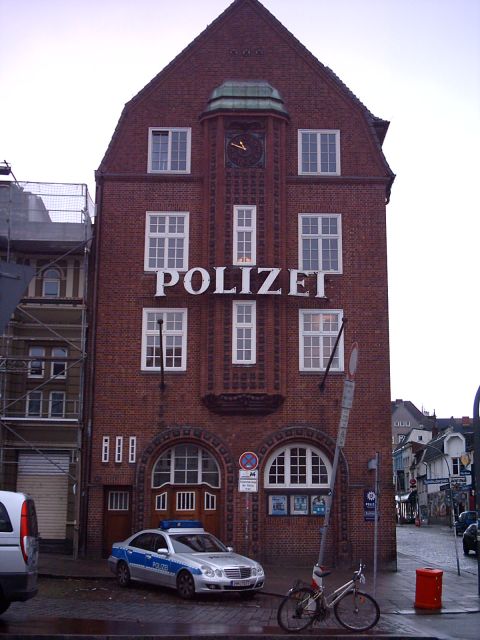
- Crime scenes you can see: the walk is built around specific spots and meeting points, not a generic lecture.
- Werner Mucki Pinzner: you get the murder story that anchors part of the tour’s case-file tone.
- Reeperbahn raids by the Spartacus League: politics and street violence show up in the same places you’ll recognize today.
- How prostitution changed, slowly and unevenly: the tour links street life to bigger shifts in policing and definitions.
- A fast 90-minute format: ideal if you want this theme without burning half a day.
CSI St. Pauli: A Different Way to See Hamburg at Night
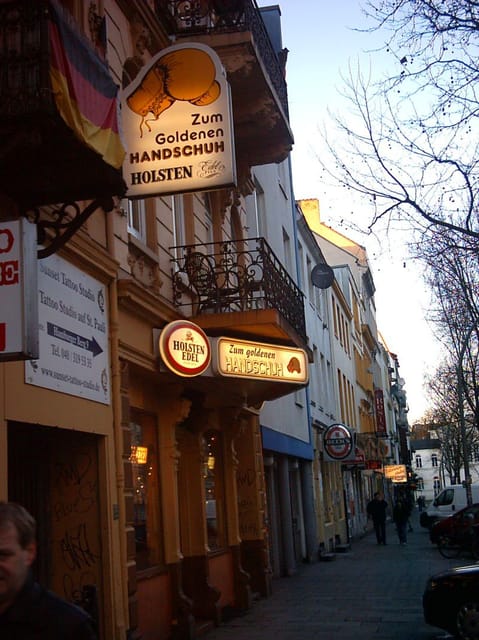
Hamburg’s St. Pauli is famous for entertainment, neon, and the constant buzz of the Reeperbahn. This tour flips the viewpoint. Instead of treating the district as a place to party, you treat it like a crime map—one where the past still shapes how corners feel.
The strongest part is the balance between story and place. You follow a guided “trail of crime” through St. Pauli, and the guide points out what happened where, who was involved, and how authorities handled it. The tone stays grounded in history, but it’s never sterile. You’ll hear about the evolution of prostitution and the shadowy systems that helped it run—then you’ll learn how law and enforcement reacted over time.
It runs for 90 minutes and is designed for a focused walk, not a long museum-style stay. At $31 per person, it also works out as a solid value for people who want something more meaningful than another photo stop in the nightlife zone.
More Kieztours through the heart of St. Pauli



Where the Tour Starts: Millerntorplatz Before the Stories Begin
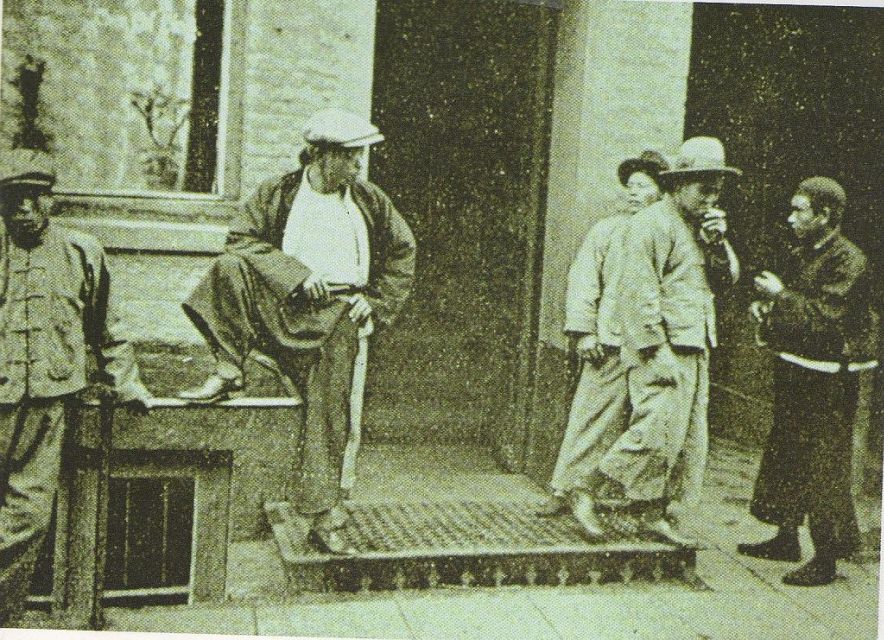
You meet at Millerntorplatz 1 in Hamburg, right in front of Five Guys. That’s a useful detail, because St. Pauli can feel like one long strip once you’re walking. This starting point helps you get oriented before the guide starts turning streets into scenes.
From the jump, the tour’s format is simple: you stay together, you listen, and you move at walking pace through the area. Comfortable shoes matter, because you’re on your feet for the full 90 minutes in whatever weather Hamburg throws at you. The tour also runs with fixed dates and a minimum of two people, so it’s not one of those “maybe it happens” situations.
Language options are German and English, and the tour is described as a private group. That matters in practice. A smaller group tends to feel more like a conversation than a big-ticket performance, especially if you ask questions.
How the Guide Builds the Case: Law and Order in St. Pauli
This is not a murder-mystery tour that promises a twist at the end. It’s closer to a guided explanation of how crime was defined and prosecuted, and how that changed across decades.
The core theme is “law and order” in the district. You’ll connect the story dots between the First World War era and roughly around 1990. The guide explains how certain behaviors were treated as criminal, how authorities chased them, and how the people involved adjusted.
What you’ll like here is that the tour doesn’t frame the past as simple good guys vs. bad guys. It focuses on systems: policing, public pressure, and the tactics people used to stay under the radar. That makes the walk feel more real. You’re not just hearing sensational headlines; you’re seeing how enforcement and street life shaped each other.
Following the Raid Trail: Spartacus League and the Reeperbahn
A standout thread is the story of the Spartacus League and their infamous raids along the Reeperbahn. This is where history stops being “background” and becomes part of the streetscape you’re standing in.
The Reeperbahn looks like a single continuous entertainment zone today, but the tour helps you understand it as a contested space. When you hear about organized raids tied to wider political movements, the district’s earlier identity makes more sense. You start noticing the kinds of places where raids and crackdowns would have been practical—busy streets, nightlife corridors, and the constant flow of people.
Even if you don’t read a lot of political history, this section is easy to follow because the guide ties it back to what’s happening on the ground. You’re walking, so the facts stick.
The Mucki Pinzner Murder: Why This Case Gets Center Stage
Any crime tour needs an anchor case, and here it’s the murders of Werner Mucki Pinzner. The guide presents famous murderers as part of the narrative, and Pinzner is one of the clearest names in the tour’s public-facing highlights.
What makes this portion worth your time is the way it’s presented as a “crime scene” experience, not just a biography. You’ll be guided to specific locations tied to the case, and the tour treats these points like evidence markers—where the story shifts from rumor into something more structured.
One practical benefit: it gives the walk momentum. Halfway through, when you’re past the initial setup, Pinzner’s case keeps the tour from feeling like a broad lecture about morality and policing. It gives your brain a plot to track.
More puzzles and self-guided games across the city





Prostitution Then and Now: Pimps, Pressure, and Policing
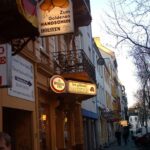
The tour’s other big pillar is prostitution—how it worked historically, how it was policed, and how people navigated the system. You’ll learn about the evolution of prostitution, including the way pimps kept operations moving while trying to avoid attention.
This is also where you may notice a key difference between modern assumptions and historical reality. Today, people often imagine vice as a single, visible activity. The tour pushes you to see it as an ecosystem: middlemen, side venues, social pressure, and the constant negotiation between those running the show and the authorities trying to control it.
The guide also connects prostitution history to shifts in persecution and definition. The result isn’t just “what happened,” but “why it was treated the way it was.” That’s valuable if you like your travel history to explain behavior, not just list dates.
And yes, parts of this theme are uncomfortable. But if you want a real St. Pauli perspective, this is the segment that makes the district’s reputation make sense beyond the marketing.
The Dark Atmosphere Without the Popcorn: Crime Scenes and Gang Meeting Points
The tour includes various crime scenes and also references meeting points of local gangs. In practice, that means the guide doesn’t stay in big-picture history. They point out street locations and explain why those spots mattered.
This is one of the most “street-smart” parts of the experience. Even if you don’t memorize every detail, you’ll walk away with better instincts for reading a neighborhood. You’ll understand how geography can support secrecy—or expose it.
It’s also one of the reasons the tour feels different from typical walking tours. You’re not hunting for architecture or landmarks. You’re paying attention to how places functioned in conflict.
Price and Value: Is $31 Worth a 90-Minute Crime Walk?
At $31 per person for 90 minutes, this is priced like a focused niche tour, not a big long-haul excursion. For you, the question is value-per-minute and value-per-interest.
You’ll likely feel it’s good value if:
- You want something themed and specific, not another general overview of Hamburg.
- You’re interested in how enforcement and definitions changed over time.
- You like guided storytelling tied to actual spots in the city.
You might not feel it’s worth it if:
- You’re expecting a casual nightlife experience with light facts.
- You’re very sensitive to dark topics.
- You need very polished English and uninterrupted pacing. While the tour runs in English, the quality of delivery can vary by guide, and pacing issues can matter when you’re trying to cover a set route in 90 minutes.
So treat the price as what it is: a short, guided, story-heavy experience built around one district and one theme.
Guide Quality Matters More Than You Think
The tour is led by a human guide, and in tours like this, delivery affects what you get out of it. One private group experience noted a guide named Eva offered a great program and flexibility around curiosities. That kind of rapport is exactly what helps a history-and-crime walk feel personal instead of stiff.
On the flip side, another booking described a very different situation: a guide on crutches with low-volume, hard-to-follow English, and the tour finishing late. Whether that’s your departure or not, it’s a reminder to plan smart.
If you’re going straight from this tour to dinner or another appointment, give yourself a buffer. Dark history tours tend to run best when the guide can keep steady pace and the group can stay attentive.
Who This Tour Fits Best
This is a great fit if you:
- Like guided walks where the city is the “text.”
- Want crime history rooted in a real district instead of distant archives.
- Are curious about how prostitution and policing changed from WWI to around 1990.
- Enjoy walking tours that include names like Werner Mucki Pinzner and specific raid stories tied to the Reeperbahn.
It may be a poor fit if you want:
- A cheerful evening.
- A high-level academic lecture with citations and structured timelines.
- A purely historical overview with minimal discomfort.
Practical Tips Before You Go
- Wear comfortable shoes. You’re walking through St. Pauli for the full 90 minutes.
- Dress for any weather. This is Hamburg—plan for wet or windy conditions.
- Bring curiosity, not squeamishness. The themes are dark and centered on crime and exploitation.
- If you book in English, be ready to focus. Pay attention early so you don’t lose the thread.
Should You Book CSI St. Pauli?
Book it if you want a guided Hamburg experience that feels like a real investigation. The combination of street-level storytelling, crime scenes, and the way prostitution history is tied to changing definitions and prosecution makes it more than a “scary walk.” At $31 for 90 minutes, it’s also an efficient use of time if St. Pauli is on your list anyway.
I’d only skip it if you’re looking for a light nightlife stroll or you can’t handle dark subject matter. And if English delivery quality is crucial to you, plan your schedule with a little cushion, because tour pacing can make or break an experience like this.
FAQ
FAQ
How long is the CSI St. Pauli tour?
It lasts 90 minutes.
Where does the tour meet?
You meet at Millerntorplatz 1, Hamburg, in front of Five Guys.
How much does the tour cost?
The price is $31 per person.
What languages are available?
The live guide offers German and English.
What is the tour focused on?
The tour focuses on crime in St. Pauli, including famous cases like Werner Mucki Pinzner, plus the history and evolution of prostitution and how it was persecuted.
Does the tour run in bad weather?
Yes, it takes place in any weather.
Is the tour wheelchair accessible?
Yes, the tour is wheelchair accessible.
Is it a private group or shared group?
It’s described as a private group.
What’s the cancellation policy?
You can cancel up to 24 hours in advance for a full refund.
What are the minimum group requirements?
It requires a minimum of 2 persons, and it runs on fixed dates.
More Tour Reviews in Hamburg





More Hamburg Scavenger Hunts

More St. Pauli Kieztours



Just In: The Newest Hamburg Reviews









St. Pauli Kieztours, compared.
 ★ 4.7Insider Tour of the Reeperbahn & St. PauliFrom $295,057 reviews
 ★ 4.7Night Watchman’s Tour of St. Pauli in GermanFrom $234,818 reviews
 ★ 4.7In the Footsteps of “Olivia” Reeperbahn TourFrom $5003,947 reviews
 ★ 4.7St. Pauli Highlights Guided Tour with Beer for 18+From $292,353 reviews
 ★ 4.8Olivia Jones Tour with Iconic Barker FabianFrom $421,395 reviews
 ★ 4.7Reeperbahn Quickie, The Short & Sexy St. Pauli TourFrom $23915 reviews
 ★ 4.8St. Pauli Nightlife Tour with Drag Queen in GermanFrom $41733 reviews
 ★ 4.7St. Pauli Tour of the ReeperbahnFrom $16644 reviews
Browse the lists this tour appears in