
Reviewed · WALKING TOURS
Hamburg: Guided Walking Tour in Danish
Two hours, and Hamburg feels mapped. This Danish walking tour strings together key stops so the city’s 1200-year story makes sense fast, and I especially like the licensed guide who keeps the timeline clear and the Speicherstadt segment that turns the port into something you can actually picture.
You do need to plan for real walking. It runs rain or shine, so bring comfortable shoes and dress for cold or wet weather.
In This Review
- Key Highlights at a Glance
- Danish-Guided Hamburg in Two Hours: What the Tour Does Best
- Starting at Swatch Jungfernstieg: Where Your Mental Map Begins
- Hamburg Townhall and Deichstraße: Civic Power and the Cost of Fire
- Patriotic Society of 1765: Small Stop, Big Meaning
- St. Nikolai Memorial: The Church Ruin That Teaches Without Saying Too Much
- Laeiszhof and the “Pause” Moments That Make the Walk Enjoyable
- Speicherstadt: Where Hamburg’s Port Logic Becomes Architecture
- HafenCity: From Working Port to Modern District
- Elbphilharmonie: The Grand Concert Hall and a Great Place to Finish
- Price and Value: When $280 Makes Sense
- What to Wear, Bring, and Plan For
- Who This Danish Walking Tour Is Best For
- Should You Book This Tour?
- FAQ
- Is the Hamburg walking tour guided in Danish?
- How long is the tour?
- Where do you meet the guide?
- What are the main sights covered?
- What should I wear and bring?
- Are food and drinks included?
- What’s included in the price?
- Is it suitable for children or people with mobility or sensory impairments?
Key Highlights at a Glance
- Danish live guide who explains Hamburg’s growth from Saxon marketplace to major port
- Townhall and St. Nikolai Memorial with stories tied to World War II
- Speicherstadt as the world’s largest warehouse district, built for the logic of trade
- HafenCity shift from working port to modern residential and business district
- Elbphilharmonie finish at the plaza and public viewing area so you can keep exploring
Danish-Guided Hamburg in Two Hours: What the Tour Does Best
This tour is built for people who want context, not just photos. You’re walking through Hamburg’s center and its two major port worlds—old trade infrastructure and newer waterfront redevelopment—while a Danish-speaking guide connects the dots.
I like the pacing because it stays tight. You get short, purposeful stops with explanations that help you understand why Hamburg looks the way it does today.
The route also feels like a mini “whole city” story. Even if you only have a couple of hours, you’ll come away knowing the names and themes that pop up again and again in Hamburg.
Cover more of Hamburg on foot



Starting at Swatch Jungfernstieg: Where Your Mental Map Begins
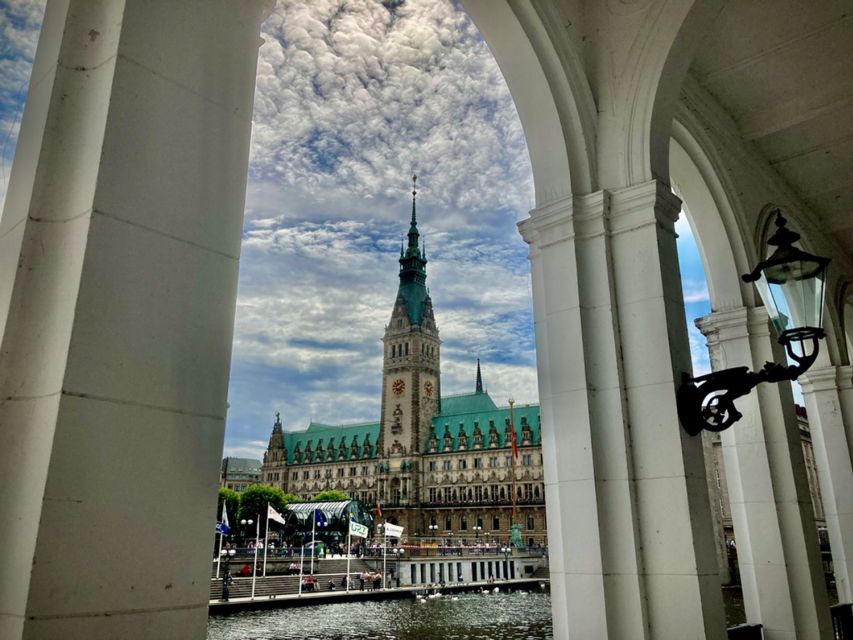
You meet in front of the Swatch shop at the corner of Jungfernstieg and Alsterarkaden. This is a handy starting point because it puts you right by the Alster area, where Hamburg’s city-center energy is easy to feel.
The early minutes matter. When you start at Jungfernstieg, your guide can set the tone: Hamburg isn’t just a port—it’s a place that has rebuilt itself, and you’ll hear why that rebuilding shaped the city.
If you’re arriving from elsewhere, this meeting spot also helps you orient quickly. You’ll know where you are before the walking really ramps up.
Hamburg Townhall and Deichstraße: Civic Power and the Cost of Fire
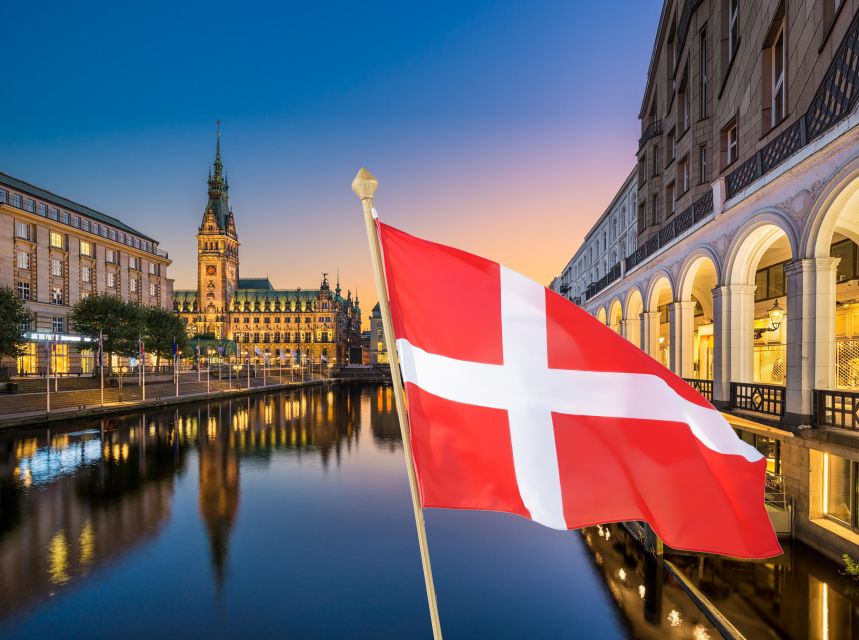
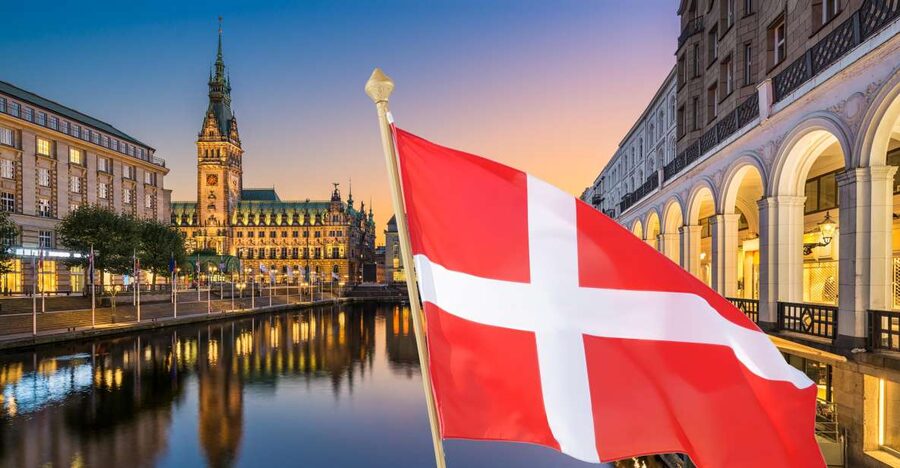
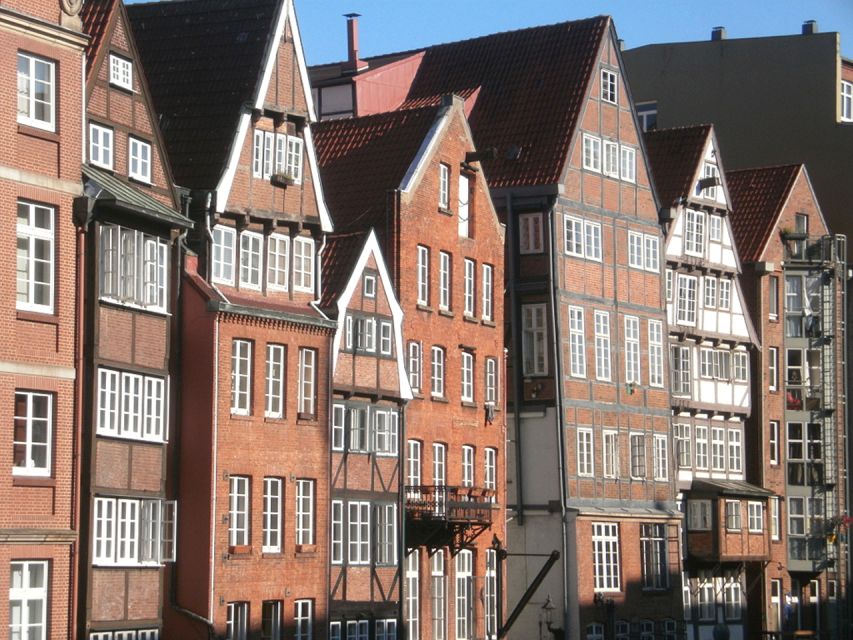
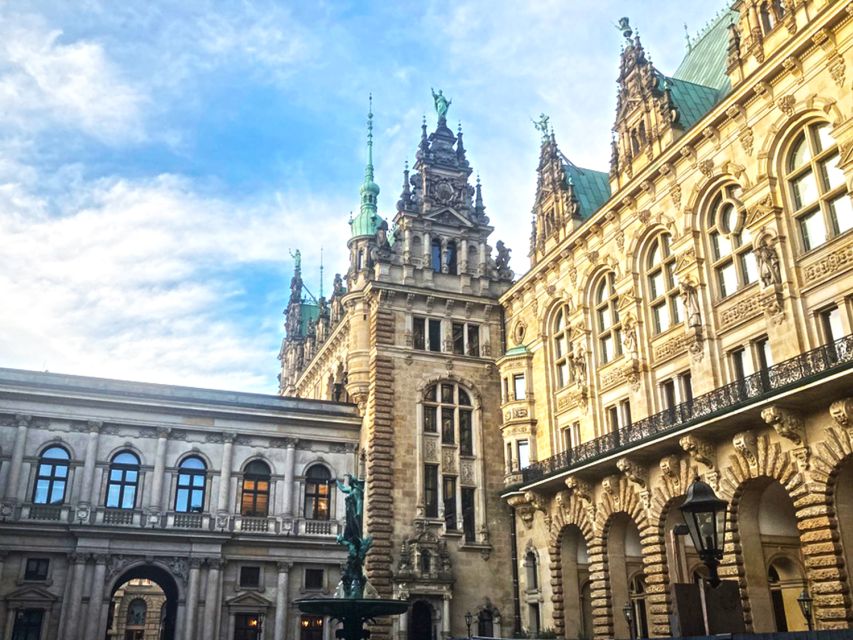
Next, you head to Hamburg’s Townhall for about twenty minutes of guided time. This is one of those stops where the details help you read the building instead of just passing it.
From there, the tour moves to Deichstraße for a shorter stop. Even in a brief pause, the guide’s stories focus on how the city developed—and why disaster and rebuilding mattered.
One theme the guide emphasizes is the role of fire in Hamburg’s development. That doesn’t sound exciting on paper, but it explains a lot. When you understand that early urban life had to be rebuilt after major fires, the city’s layout and later growth feel less random.
It’s also where you start hearing the tour’s main argument: Hamburg’s Old Town can feel old, but parts of it are actually quite new. The guide gives you enough background that you won’t be stuck thinking only in timelines on a wall—your understanding becomes practical.
Patriotic Society of 1765: Small Stop, Big Meaning
You’ll pause at the Patriotic Society of 1765 for roughly ten minutes. It’s a shorter stop, but it works because it’s the kind of place that adds texture to the story of how Hamburg organized itself over time.
This is where a good guide makes a difference. Instead of treating sights like checkboxes, you get a civic-history angle—how groups, institutions, and public-minded organizations helped shape city life.
If you like urban history that isn’t only about buildings, this is a nice middle moment. You’re still in the street-level rhythm of the center, but the stories feel anchored to people and decisions, not just architecture.
St. Nikolai Memorial: The Church Ruin That Teaches Without Saying Too Much
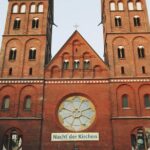
The most emotionally heavy stop is the St. Nikolai Memorial. You’ll spend about fifteen minutes here, and the guide connects the site to Operation Gomorrah in 1943.
The St. Nikolai Church was bombed during that wartime attack, and the ruins now serve as a WWII memorial and museum. This is one of the best ways to understand Hamburg as a modern city shaped by the 20th century—not just as a medieval trading legend.
What I like about this part is that it doesn’t stay abstract. You’re standing in a place where history is visible in the structure itself, and the guide’s explanation gives it purpose beyond the tragic facts.
If you’re visiting in winter or a chilly season, the memorial stop can also feel extra stark. Reviews mention it can be very cold, but that just makes the meaning land harder, and you’ll likely want to slow down and absorb it.
Let a Hamburg local lead the way





Laeiszhof and the “Pause” Moments That Make the Walk Enjoyable
After the big landmark points, you get a stop at Laeiszhof for around fifteen minutes. This kind of segment is useful because it’s a change of pace inside a walking tour.
Even without going deep into what the space looks like in detail, these stops often function as breaks where your mind catches up. You’ll have time to process what you’ve already learned before moving into the warehouse and waterfront sections.
In my experience with city walking tours, this is where the quality shows. A tour that’s only about rushing from landmark to landmark can feel exhausting. A tour that includes quieter stops helps you keep the story straight.
Speicherstadt: Where Hamburg’s Port Logic Becomes Architecture
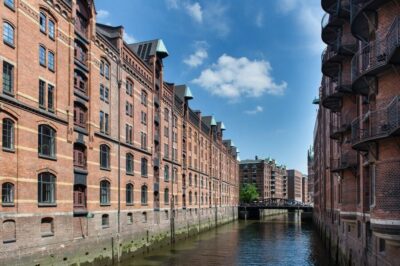
Now you get to the centerpiece for many people: Speicherstadt. You’ll spend about fifteen minutes there, and it’s described as the world’s largest warehouse district—which already sets expectations.
This is the part that turns Hamburg’s port identity into something physical. Warehouses are boring only if you don’t know the purpose behind them. The guide frames Speicherstadt as a working answer to how trade moved, stored goods, and organized logistics.
I like that this stop gives you a different lens than the city center. Townhall and memorial sites are about governance and memory. Speicherstadt is about the nuts and bolts of commerce, and the scale makes the trade story feel real.
And the timing works. Getting to Speicherstadt after the historical context means you can see the city’s evolution as a chain, not isolated eras.
HafenCity: From Working Port to Modern District
Next is HafenCity for about fifteen minutes. The guide explains it as Hamburg’s residential and business district, tied to the larger transformation of the waterfront.
This stop is valuable because it prevents the tour from becoming only nostalgic. Hamburg didn’t stop evolving after the medieval and industrial eras. You’ll see the modern side of the port city, where the economy and the city’s image are still in motion.
Even if you’re not a big architecture fan, HafenCity is a useful contrast. You’ll likely notice how the waterfront now plays a different role in daily life, not only for shipping but also for people who live, work, and visit.
Elbphilharmonie: The Grand Concert Hall and a Great Place to Finish
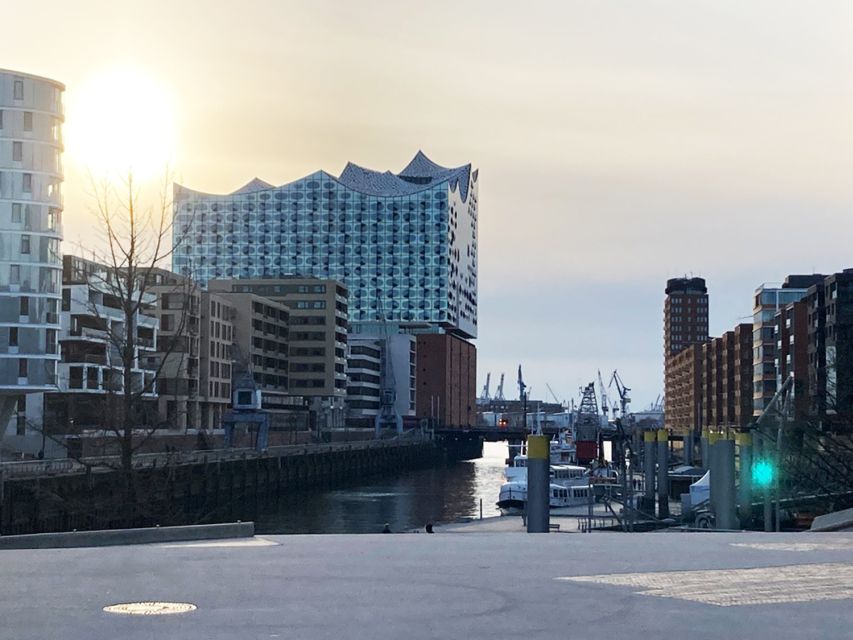
You end at Elbphilharmonie for a final guided segment of about fifteen minutes, then you finish at Platz d. Deutschen Einheit.
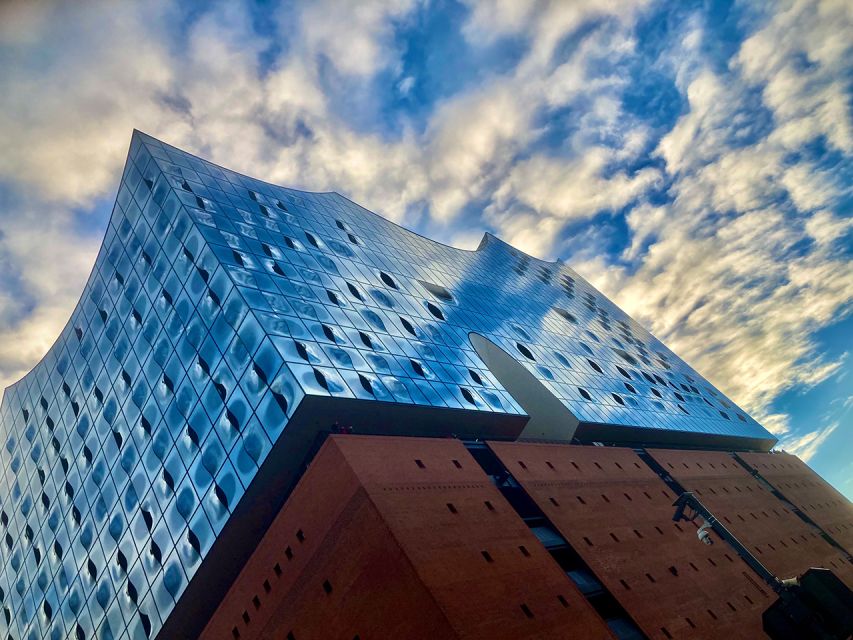
The Elbphilharmonie itself is a grand concert hall located in HafenCity. You’ll also have a built-in payoff: the tour ends in a spot that’s ideal for exploring the Elbphilharmonie Plaza and its public viewing platform on your own.
This is one of the tour’s smartest choices. A walking tour can feel incomplete if you don’t give people space to keep exploring. Here, you’re handed a natural next step, so you can turn your guided learning into your own sightseeing.
If you’re traveling with a tight schedule, this finish also helps. You can plan your next move from a major, central point rather than hunting for transit on foot.
Price and Value: When $280 Makes Sense
The price is listed as $280 per group up to 30. In practice, that means your per-person cost depends on how full the group is.
Here’s how I think about value for a tour like this: you’re paying for a licensed Danish guide, guided walking time, and historical visual aids. You’re also buying a structured way to connect major Hamburg themes—medieval growth, civic development, wartime loss, port trade, and modern redevelopment—into a single arc.
If you compare it to paying for multiple separate guided experiences, this can work out well. You get several anchor sites in two hours: Townhall, St. Nikolai Memorial, Speicherstadt, HafenCity, and the Elbphilharmonie area.
So the question isn’t only whether you like Hamburg. It’s whether you’ll enjoy the format of a story-driven route. If you want that, the price can feel fair. If you only want photos and no explanations, you might feel it’s more than you need.
What to Wear, Bring, and Plan For
This tour is rain or shine. Bring comfortable shoes and plan for weather changes, especially in colder months. One Danish review mentions it was biting cold, which is a real reminder that Hamburg’s waterfront can feel harsher than you expect.
Food and drinks aren’t included, so plan to buy something before or after. Cash is listed as something to bring, so it’s smart to have some on hand for a snack or small purchases around the route.
And don’t ignore the comfort factor: it’s a walking tour. If your body isn’t happy with two hours on foot, consider other options.
Who This Danish Walking Tour Is Best For
This tour is a great fit if you want your sightseeing organized by story. You’ll enjoy it if you like explanations about how cities grow and why certain events matter—especially the guide’s focus on fire and Hamburg’s redevelopment, plus the WWII memorial stop.
It also works well for people who have limited time. With a couple of hours, you’ll cover the city center and two major waterfront zones without needing to plan a route yourself.
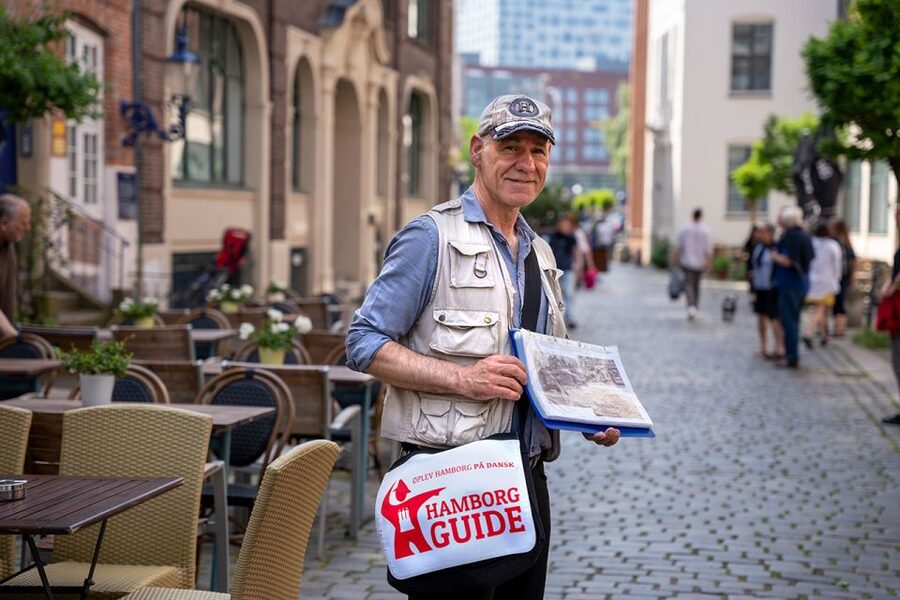
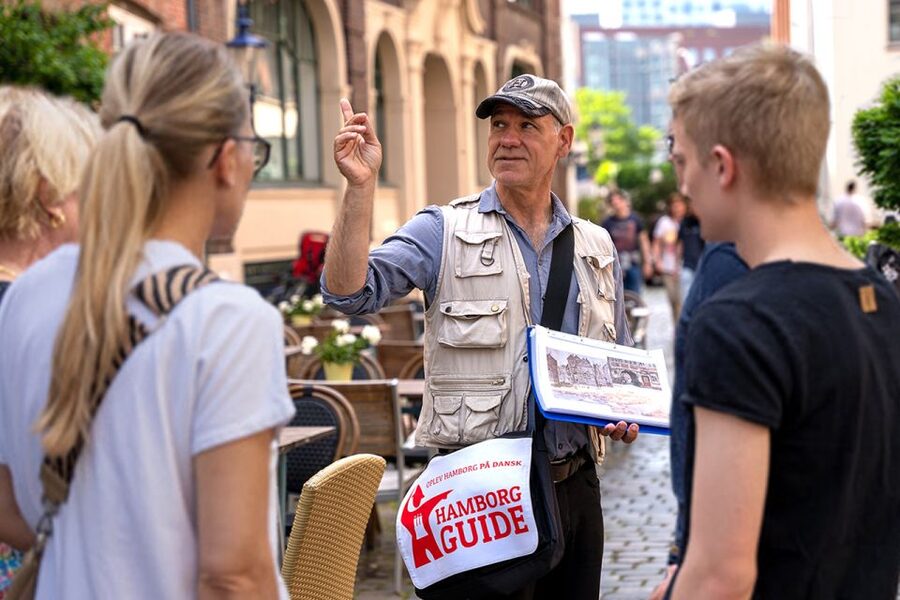
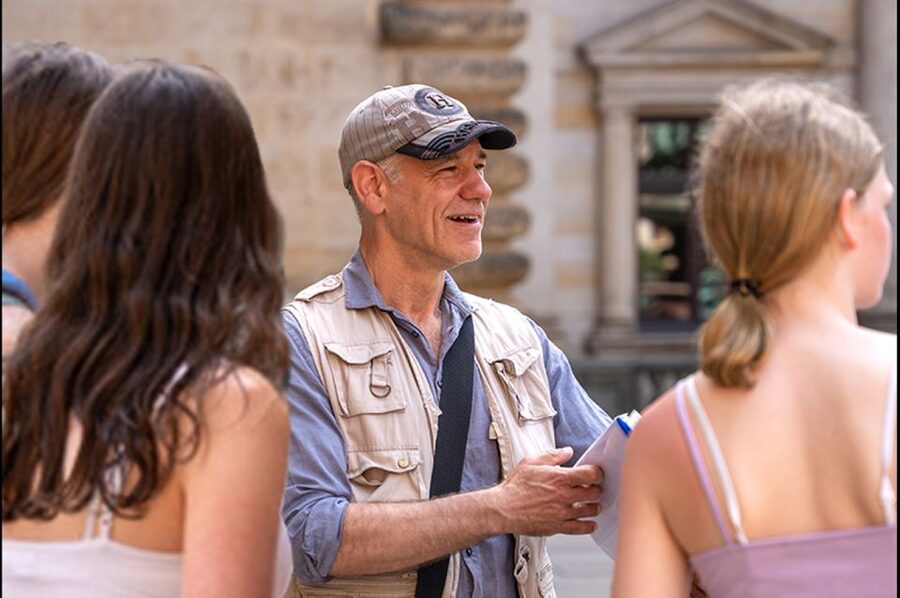
The reviews point to the guide quality. One Danish review highlights Christian Meyer-Pedersen and praises his enormous knowledge and the way he makes history feel lively and organized. Another notes the guide was good to listen to and clearly informed about Hamburg’s history.
If you’re traveling with a group of Danish-speaking friends or family, the Danish language is a real bonus. You’ll get the most out of the tour because the guide can use nuance and keep you focused.
Should You Book This Tour?
Book it if you want a focused walk through Hamburg’s most important port-connected areas, with a Danish guide who explains the why behind what you see. The route is short enough to fit into a busy trip, but it includes major anchors: Townhall, St. Nikolai Memorial, Speicherstadt, HafenCity, and an easy finish at Elbphilharmonie.
Skip it if you hate walking in weather or if you only want quick photo stops with no explanation. Also be aware this tour isn’t suitable for some mobility and sensory needs, so check your own requirements carefully before committing.
FAQ
Is the Hamburg walking tour guided in Danish?
Yes. The tour has a live guide and the language is Danish.
How long is the tour?
The duration is 2 hours.
Where do you meet the guide?
Meet your guide in front of the Swatch Shop at the corner of Jungfernstieg and Alsterarkaden.
What are the main sights covered?
The tour covers the Townhall area, St. Nikolai Memorial, Speicherstadt, HafenCity, and the Elbphilharmonie area, with the walking route ending near the Elbphilharmonie Plaza.
What should I wear and bring?
Wear comfortable shoes and comfortable clothes, and bring cash. The tour takes place rain or shine, so dress for the weather.
Are food and drinks included?
No. Food and drinks are not included.
What’s included in the price?
A walking tour, a licensed tour guide, and historical visual aids are included.
Is it suitable for children or people with mobility or sensory impairments?
It isn’t suitable for children under 6, people with mobility impairments, wheelchair users, visually impaired people, or hearing-impaired people.
If you want, tell me your travel month and whether you prefer history or architecture, and I’ll suggest the best time of day to tackle these stops.
Hamburg on Foot



More Tours in Hamburg




More Tour Reviews in Hamburg

Just In: The Newest Hamburg Reviews









Walking Tours, compared.
 ★ 4.8Guided Walking Tour for Magic FansFrom $231,992 reviews
 ★ 4.8Reeperbahn Walking Tour with St. Pauli LocalFrom $21577 reviews
 ★ 4.6Speicherstadt Walking Tour with Coffee TastingFrom $50360 reviews
 ★ 4.0Hamburg Reeperbahn Small-Group Walking TourFrom $30269 reviews
 ★ 4.6Crimes of St. Pauli Guided Walking TourFrom $29265 reviews
 ★ 4.9English Hamburg City Center Pay-What-You-Want Walking TourFrom $3262 reviews
 ★ 4.7Private Tour Red Light District Walking TourFrom $460227 reviews
 ★ 4.9Private Couples’ Photoshoot and Walking TourFrom $64212 reviews
Browse the lists this tour appears in