
Reviewed · SPEICHERSTADT & HAFENCITY
Hamburg: Speicherstadt & HafenCity 2-Hour Walking Tour
Hamburg has a talent for mixing old industry with new design. This short 2-hour walking tour gives you the why behind Speicherstadt’s warehouse district, then hands you the contrast of HafenCity’s glass-and-steel waterfront. I like the hands-on feel of learning the warehouse logic up close, and I also like how the route keeps shifting gears. One possible drawback: two hours is tight, so if you want long stops, you’ll feel a bit rushed.
You start with historic fabric and end with big contemporary icons. The tour is built around photo stops and guided stories, so you’re not just looking at buildings—you’re getting practical context for what you’re seeing and why it matters. And since it’s a private group, you’ll get a calmer pace than the big public crowds.
Plan for an easy-to-medium walking outing in central harbor territory. You’ll begin at Rödingsmarkt (U3), and the path takes you across bridges and along canal and quay viewpoints that connect the old port world to the newer HafenCity architecture.
In This Review
- Key Things to Watch For
- From Rödingsmarkt to Deichstraße: Getting Your Bearings Fast
- Deichstraße Photo Stop: Why This Street Matters
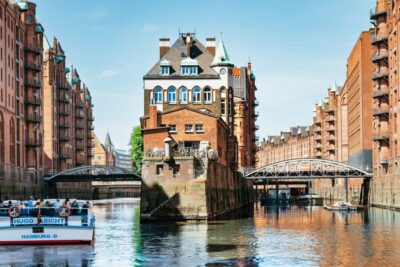
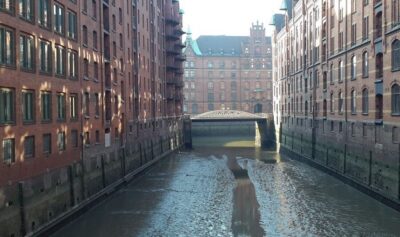
- Zollkanal and Speicherstadt: The Canal Logic Behind the Warehouses
- Entering a Warehouse: Why the Atmosphere Feels Different
- Speicherstadt Architecture: Castles, Red Brick, and the East/West Detail
- Brooktorkai to HafenCity: The Shock of New Waterfront Design
- Kaispeicher B and the Maritime Museum Area: History You Can Point At
- Port Authority on Überseeboulevard: Where Planning Meets the Port
- Coffee Plaza and Elbphilharmonie Views: Big City Icon Energy
- Unilever Building Views Over the Harbor: Best for Photo Timing
- How the 2-Hour Pace Really Works (And Where You Might Feel Rushed)
- Price and Value: Paying $294 for Up to 15
- Guide Style That Shows Up in the Feedback
- Should You Book This Speicherstadt & HafenCity Walking Tour?
- FAQ
- Where does the tour start?
- How long is the Hamburg Speicherstadt & HafenCity walking tour?
- How big is the group?
- What languages are available for the live guide?
- What are the main areas you’ll visit?
- Do we enter any buildings during the tour?
- Is cancellation available, and is there an option to pay later?
Key Things to Watch For
- Sniff-and-step warehouse moment: You’ll get close enough to notice the old-warehouse atmosphere, and even enter one.
- Zollkanal canal insights: You learn how the canals shaped trade and storage in the Speicherstadt complex.
- Architectural clues with explanations: Expect answers to why there are no floors in parts of the warehouses and why round towers appear only in the east.
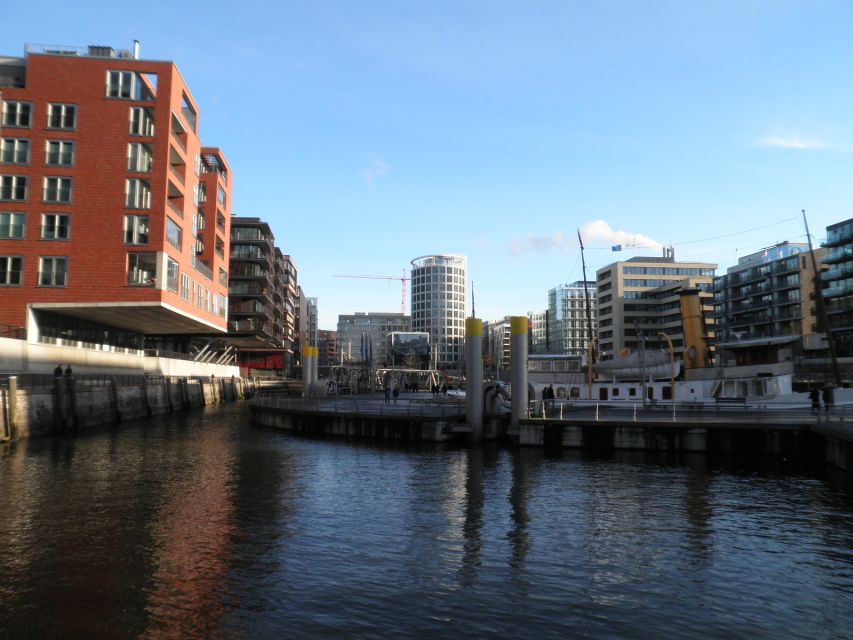
- Old docks, modern waterfront: You’ll see one of the oldest docks and then watch how the area was transformed into a 21st-century quarter.
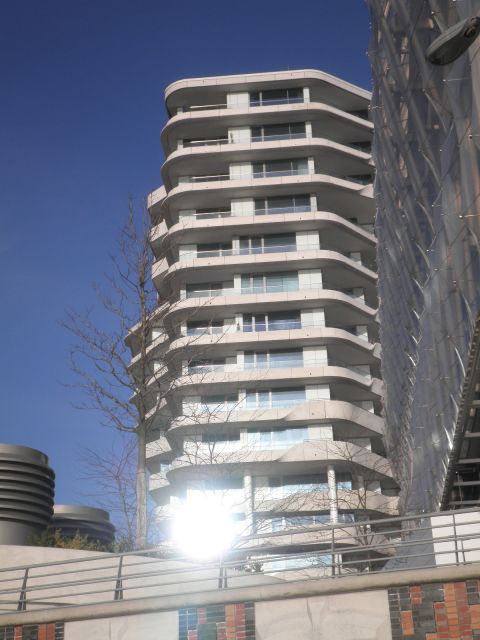
- Signature HafenCity landmarks: Kaispeicher B, the Maritime Museum building complex, Port Authority, and the Elbe Philharmonic Hall area.
From Rödingsmarkt to Deichstraße: Getting Your Bearings Fast
The meeting setup is simple and transit-friendly. You’ll meet at the underground station Rödingsmarkt (U3), then head out toward the harbor-side starting area near Steintwiete. This matters because Hamburg’s best waterfront views are spread out, and this tour uses that geography well.
Right away, you get a grounding look at 17th-century houses on Deichstraße. That’s a smart opening move: it gives you a visual baseline before the tour shifts into the “warehouse city” feeling of Speicherstadt. I like this approach because it stops you from treating everything as separate sights. Instead, you start to read the waterfront as one evolving system.
Then you cross over the Binnenhafenbrücke area after the Deichstraße look. Bridges are underrated in walking tours, but here they do a job: they create quick perspective changes, and those perspective changes are where the old-meets-new contrast really clicks.
More time in the red-brick Speicherstadt and HafenCity


Deichstraße Photo Stop: Why This Street Matters
That first guided segment along Deichstraße is short, but it’s doing heavy lifting. The tour pauses long enough for photos and commentary, and the reason you’ll care is that the architecture here sets the stage for what follows.
When you later see the warehouse walls and canal channels in Speicherstadt, you’ll understand them better because you’ve already seen how the surrounding neighborhood looked historically. If you skip the early context, HafenCity can feel like a “new city drop-in” rather than a continuation. This early stop helps you connect the dots fast.
A practical tip: if you’re planning phone photos, watch for consistent lighting. The harbor area can change feel quickly as you move, so take your early shots promptly while the guide is pointing out the right angles.
Zollkanal and Speicherstadt: The Canal Logic Behind the Warehouses
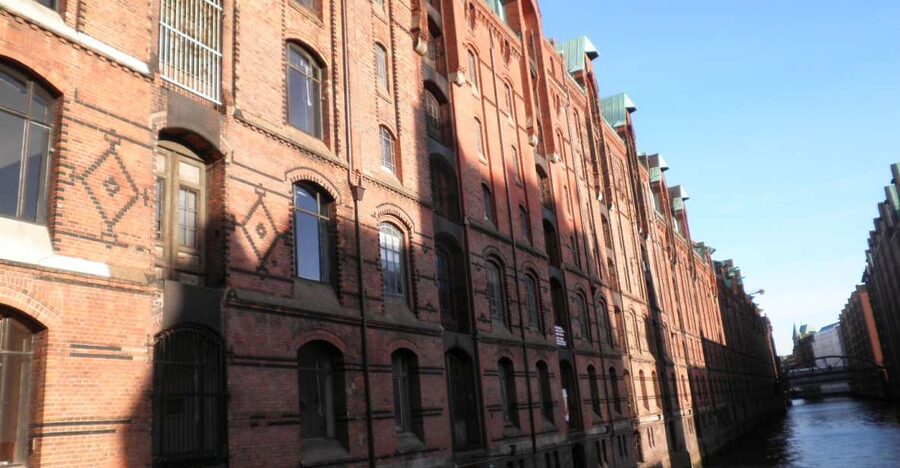
After Deichstraße, the walking route runs you toward the old Zollkanal system. This is one of the tour’s best strengths: it doesn’t treat Speicherstadt as a museum backdrop. It treats it like a working infrastructure—channels, storage, movement of goods, and the labor behind it.
You’ll get a guided look at the canal, including insights into how the canals shaped the unique warehouse complex. Even if you already know Speicherstadt is famous, canal-focused explanations make it click. These waterways weren’t decorative. They were part of the workflow: they helped define how goods arrived, where they went, and how storage was organized.
The tour also explicitly covers the people side: you’ll learn about the hard work of the people who worked there and the jobs that were available in past times. That’s key for value. Otherwise, warehouse districts can become “pretty buildings” only. Here, you’re learning what life and work likely revolved around in this industrial zone.
Entering a Warehouse: Why the Atmosphere Feels Different
One of the highlights is delightfully tactile. You’ll sniff out the scent of the old warehouses and then enter one. That kind of detail changes how you experience the place. From the street, Speicherstadt can look like stone and brick. Inside, it becomes storage space shaped for a specific kind of use—closer to real work than postcard architecture.
Inside, you’ll also hear explanations tied to the building design. The tour covers:
- why there are no floors in certain areas or sections (as explained during the walk),
- how products are transported into the building nowadays (the modern handling aspect),
- and why some architectural features appear in specific places—like the round towers.
These are the kinds of “small but big” details that separate a story-walk from a photo-walk. You’ll come away with reasons you can repeat when you’re back at your hotel, rather than just a list of buildings.
Speicherstadt Architecture: Castles, Red Brick, and the East/West Detail
If you like architecture, Speicherstadt delivers. The tour includes lessons about castles and the beautiful red brick architecture of the area. The “castle” reference is useful because it pushes you to interpret the buildings as more than warehouses. In your head, they start to look like a fortified world built for trade.
Then you get a detail that’s easy to spot once you know to look for it: why only the buildings in the east have round towers. That’s exactly the kind of information that makes your next glance more meaningful. Instead of seeing a tower and moving on, you’ll understand the distribution of features as part of the original design choices.
The best part is that this architectural talk isn’t separate from the industrial story. It’s tied to function, workflow, and how the district was built to handle goods and labor. That’s what makes it feel like a coherent experience rather than a sequence of disconnected stops.
Cover more of Hamburg on foot






Brooktorkai to HafenCity: The Shock of New Waterfront Design
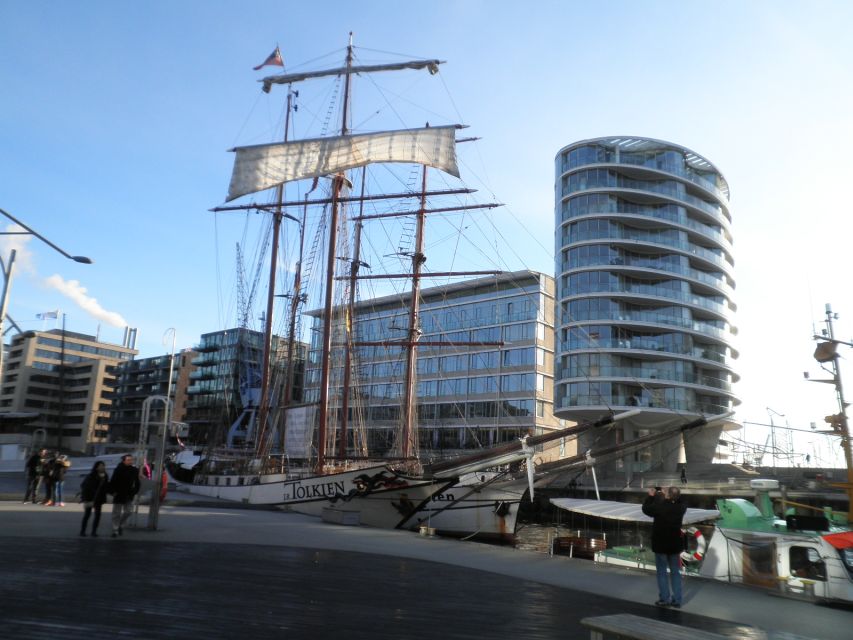
After Speicherstadt, you cross over Brooktorkai and join the 21st-century side of Hamburg—HafenCity. This transition is the whole point of the tour. You’re not just moving geographically; you’re moving through time and design philosophy.
In HafenCity, you’ll see modern glass buildings and more contemporary planning. But the tour doesn’t shove you into one design style. It keeps pointing out listed buildings too—so the neighborhood doesn’t come off as a clean-slate reinvention. You’ll admire heritage elements alongside newer forms.
This is the value of doing Speicherstadt first. The contrast hits harder. If you did HafenCity first, the old brick might feel like a “theme.” After Speicherstadt, HafenCity feels like the answer to the old question: what does a port city do when the old warehouse economy changes?
Kaispeicher B and the Maritime Museum Area: History You Can Point At
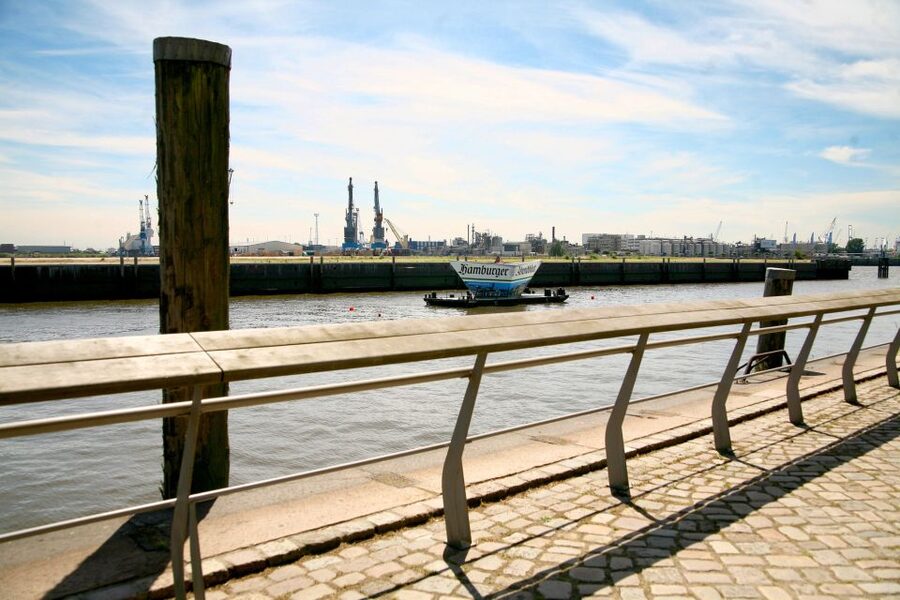
One named stop you’ll get to see is Kaispeicher B, the quay warehouse B building linked with the Maritime Museum. This matters because it acts like a bridge between stories. Speicherstadt taught you how the system worked; Kaispeicher B shows a larger framework for interpreting it today.
Even if you don’t go inside the museum on this walking tour, you’ll understand why the building is significant. It’s not just a pretty structure. It’s part of the port identity that Hamburg preserved and reused.
Port Authority on Überseeboulevard: Where Planning Meets the Port
Another specific point on the tour is the Port Authority area on Überseeboulevard. It’s the practical counterweight to architectural sightseeing. You’re seeing how the modern harbor is governed and organized, not just how it looks.
That helps you balance the feeling of being on a “past-and-present” loop. HafenCity can look like a design district if you only focus on visuals. A stop like the Port Authority keeps it anchored to real-world port operations.
Coffee Plaza and Elbphilharmonie Views: Big City Icon Energy
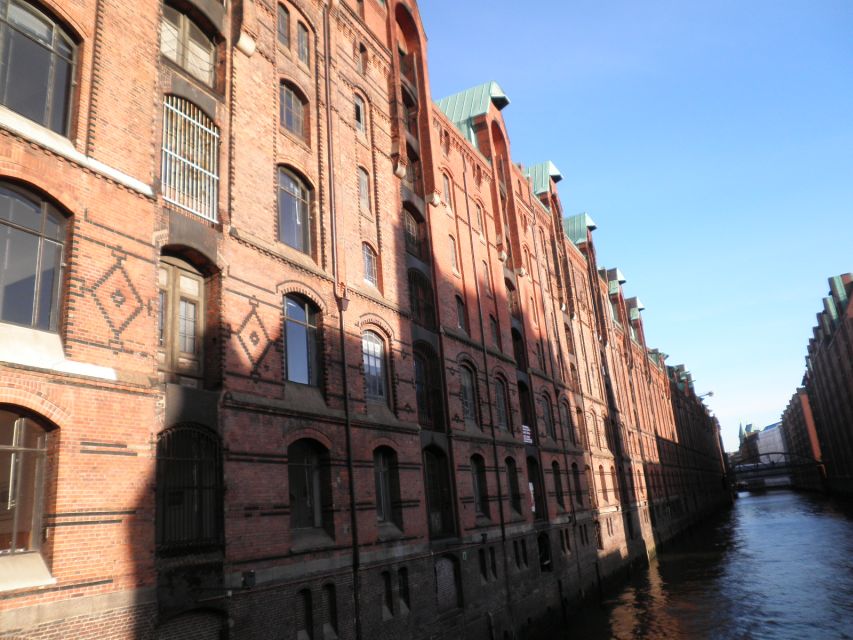
The tour reaches the area with the Elbe Philharmonic Hall at the Coffee Plaza. This is one of those Hamburg moments people recognize instantly, and it works well in a tour like this because it signals what kind of waterfront Hamburg became after the industrial era.
The tour also mentions the highest schoolyard in Hamburg, which is the kind of quirky-but-specific detail that turns the modern portion into more than a quick landmark check. You’ll notice the city’s ambition for mixed-use life on the waterfront—civic, cultural, and everyday.
And if you’re lucky, you might catch sight of a large cruise ship. Even if you don’t, you’ll still get waterfront sightlines that help you understand why HafenCity drew attention from planners and visitors.
Unilever Building Views Over the Harbor: Best for Photo Timing
You’ll have viewpoints from the Unilever building over the harbor area. Again, this is about payoff: the tour puts you at an angle where you can see the waterline and the mix of port elements.
This is where you’ll probably take your most satisfying photos, because the view helps you connect everything you learned earlier. The old Speicherstadt canal logic and the newer waterfront planning are both visible in the same wider framing.
If you’re the type who likes a “final perspective” before moving on, treat this as your moment. After you see the harbor view, you’ll understand what the district transformation means in real space, not just in theory.
How the 2-Hour Pace Really Works (And Where You Might Feel Rushed)
This is a 2-hour walking tour with photo stops and guided segments. Most of the stops are short (think about 5 to 10 minutes of guidance at each point), and the pacing is designed to cover both districts without turning the day into a marathon.
Here’s how that can play out for you:
- If you like a brisk, story-forward walk, you’ll be happy. The structure keeps you moving and prevents “standing around while thinking of other things.”
- If you want deep museum-style time at every building, you might wish it lasted longer. This isn’t built for hours of wandering.
The route also suggests outdoor walking most of the way, so clothing for Hamburg weather matters. Hamburg can shift fast, and a comfortable layer makes the difference between enjoying the walk and just pushing through it.
Group size is another factor. The price is set for a private group up to 15, and that structure usually helps keep the experience calmer and more question-friendly than a packed public group.
Price and Value: Paying $294 for Up to 15
At $294 per group (up to 15 people), the math can be surprisingly reasonable—especially if you’re traveling with others. If the group is full, you’re effectively paying about $19.60 per person. Even with fewer people in your group, the shared cost can still land in a fair zone compared with tours that charge per person.
But the real value isn’t only the price. It’s what you’re getting in a tight timeframe: a guided explanation of Speicherstadt’s design logic (including why no floors and why round towers are east-focused), plus the shift into HafenCity’s modern landmarks like Kaispeicher B, the Port Authority, and the Elbe Philharmonic Hall area.
For solo travelers, it can be pricier than a per-person shared group would be. For couples and small groups, it tends to feel like a smart buy because you’re paying for story concentration and a route designed for contrasts that most people would struggle to connect on their own.
Guide Style That Shows Up in the Feedback
This tour is guided by Jutta Hülsmann, and the overall guide approach shows up clearly in the way past groups describe their experience: people highlight the guide’s knowledge, patience, and ability to keep the storytelling light and engaging.
In particular, names like Jörn and Kerstin show up in positive notes tied to being informative and supportive, while Karin Eberle gets singled out for making the tour feel well-structured and informative. The common theme is simple: you walk away understanding the buildings better, not just seeing them.
That matters because Speicherstadt can be easy to appreciate visually and harder to understand functionally. A good guide turns the district into a set of understandable clues.
Should You Book This Speicherstadt & HafenCity Walking Tour?
Book it if you want a high-impact 2-hour experience that connects the industrial past of Hamburg to the modern waterfront plan. You’ll get both structure and atmosphere: warehouse stories that explain design choices, followed by HafenCity’s landmark scale and harbor views.
Skip it or choose a longer alternative if you know you’ll want more time for museums, inside exploration, or slow wandering. This one is designed to cover ground and deliver context, not to linger.
For first-time visitors, I think this tour is one of the best ways to “get” Hamburg quickly. It gives you the contrast in a way you can feel in your feet and in your photos, and it teaches you enough detail to make the city stick after you leave.
FAQ
Where does the tour start?
The tour meeting point is in front of the underground station Rödingsmarkt (U3), with the exit Willy-Brandt-Straße/Ludwig-Ehrhard-Straße. The start location is also listed as Steintwiete 1.
How long is the Hamburg Speicherstadt & HafenCity walking tour?
It lasts 2 hours.
How big is the group?
This is a private group, priced for up to 15 people.
What languages are available for the live guide?
The tour is available in German, Spanish, English, and French.
What are the main areas you’ll visit?
You’ll walk through Speicherstadt (the warehouse district) and then into HafenCity (the modern waterfront area).
Do we enter any buildings during the tour?
Yes. One of the highlights is that you’ll enter one of the old warehouses.
Is cancellation available, and is there an option to pay later?
Free cancellation is available up to 24 hours in advance for a full refund, and you can reserve now and pay later.
More Tours in Hamburg






More Tour Reviews in Hamburg

More of Speicherstadt & HafenCity



Just In: The Newest Hamburg Reviews











Speicherstadt & HafenCity, compared.
 ★ 4.61.5-Hour Harbor and Speicherstadt Day CruiseFrom $4014,200 reviews
 ★ 4.41-Hour Harbor Sightseeing Cruise with HafenCityFrom $303,067 reviews
 ★ 4.7Elbphilharmonie Plaza and HafenCity Food TourFrom $691,711 reviews
 ★ 4.5Eerie Speicherstadt TourFrom $291,394 reviews
 ★ 4.7Speicherstadt and Hafencity Guided TourFrom $161,344 reviews
 ★ 4.8Speicherstadt and HafenCity 2-Hour TourFrom $2821,063 reviews
 ★ 4.7Treasure Hunt Game through HafenCityFrom $29364 reviews
 ★ 4.6Speicherstadt Walking Tour with Coffee TastingFrom $50360 reviews
Browse the lists this tour appears in