
Reviewed · SPEICHERSTADT & HAFENCITY
Speicherstadt and HafenCity Tour of Hamburg with German speaking guide
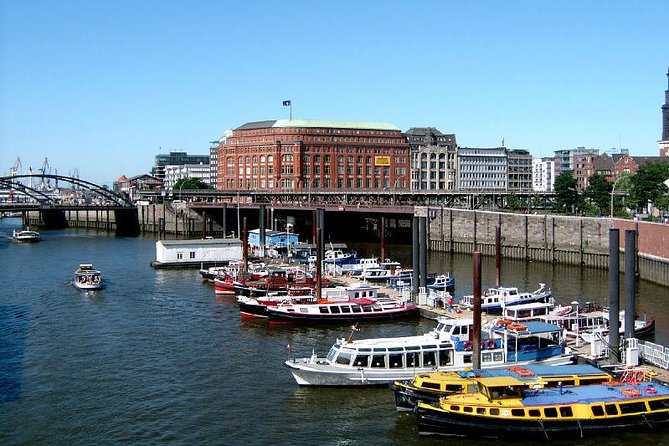
Hamburg has two faces, and this walk shows both fast. You start in Speicherstadt, the huge 19th-century warehouse district, then move into HafenCity for modern buildings and big-harbor views. It’s a smart way to get oriented without spending a whole day on logistics.
What I like most is the combo of old and new in just 2 hours: warehouse canals, trade goods talk, then yachts and the city’s sleek harbor edge. I also like that you get real-world stops, like a spice shop and an oriental carpet store, plus an optional tasting upgrade at the Kaffee-Rösterei for rare coffee varieties such as Kopi Luwak or Panama Esmerelda.
One consideration: this is a walking tour, and you need to keep up with your German-speaking guide. If your walking is limited, this likely won’t feel comfortable at a steady pace.
In This Review
- Key highlights worth your time
- Why this 2-hour Speicherstadt + HafenCity walk makes sense
- Where you meet and how the route flows (Baumwall to Chilehaus)
- Speicherstadt warehouses: trade goods, canal logic, and what made it grow
- Spice shop and oriental carpet store stops you can use later
- Kaffee-Rösterei and rare coffee tasting (the upgrade you’ll want to think about)
- HafenCity and Chilehaus: modern Hamburg, big office energy
- The harbor, the Elbe views, and yachts large enough to be almost rude
- Price and value: what $26.37 buys you in real terms
- Who should book this, and who should skip it
- Should you book this Speicherstadt and HafenCity tour?
- FAQ
- What are the tour duration and main route?
- Is it a private tour or a group tour?
- What’s included in the price?
- Where do I meet the guide?
- Is the tour offered in German?
- Is it suitable for people with mobility issues?
Key highlights worth your time
- Baumwall to Chilehaus route: a clear start-to-finish walk linking Speicherstadt to HafenCity
- German-speaking private guide feel: small-group attention with a lively, friendly style when led by guides like Tom
- Trade-nerd details at spice and carpet stops: you’ll learn what Hamburg merchants actually handled
- Optional rare coffee tasting: Kopi Luwak or Panama Esmerelda at the Kaffee-Rösterei (extra cost)
- Harbor wow-factor: large yachts you can often spot, plus river-and-docks viewpoints
- Modern Hamburg at HafenCity: ultra-modern offices and apartments, not just photos from afar
Why this 2-hour Speicherstadt + HafenCity walk makes sense
Hamburg can feel spread out. This tour is built for people who want the highlights without overplanning. You get the “why” behind Speicherstadt’s warehouse streets, then you see how HafenCity is reshaping the waterfront.
The best part is the pacing. Two hours is long enough for a real guided explanation, but short enough that you’re not stuck marching all afternoon. You’ll leave with clearer mental maps: canals, warehouse blocks, the river edge, then the shift to modern harbor architecture.
Also, the guide language matters. Since it’s German-speaking, you’ll get more than surface facts. You should expect explanations that connect the goods traders carried with how the city grew.
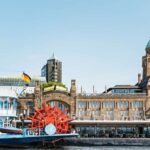
More time in the red-brick Speicherstadt and HafenCity
Where you meet and how the route flows (Baumwall to Chilehaus)
You meet at Baumwall station in Speicherstadt (20459 Hamburg), and the walk ends at Chilehaus (20095 Hamburg). That end point is useful because Chilehaus is a major landmark, so you’re not stuck asking strangers where to go next.
You’ll walk through Speicherstadt first, focusing on the older warehouse district. Then you move along toward HafenCity on foot. The handoff between districts is the point. Old trading infrastructure and today’s waterfront development sit close enough that you can compare them without guessing.
A small practical note: wear shoes you don’t mind using on city sidewalks and canal-area paths. The tour is described as public walking, and the pace follows your guide. If you need frequent breaks, you might feel rushed.
Speicherstadt warehouses: trade goods, canal logic, and what made it grow
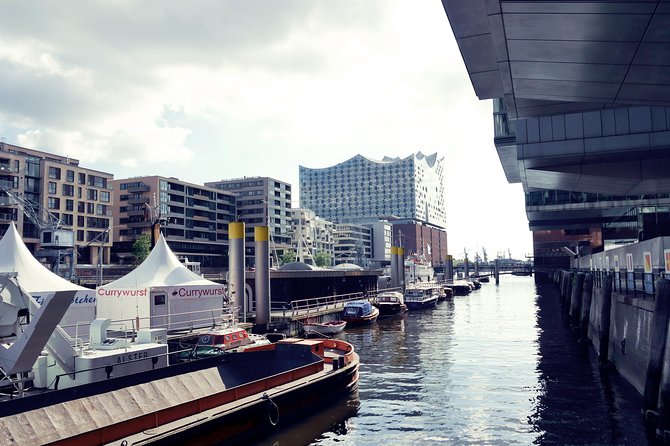
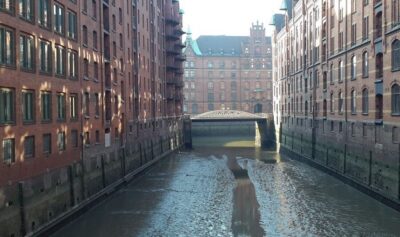
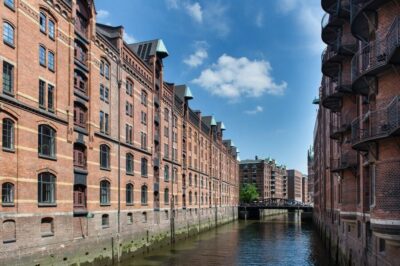
Speicherstadt is widely viewed as the largest warehouse district in the world. That claim isn’t just marketing. When you walk the area, you see why warehouses clustered here: the district grew quickly through the 19th century as Hamburg became a major trading hub.
On this tour, you’ll hear how the warehouses supported the movement and storage of goods arriving from far away. The guide doesn’t just point at buildings. You’re supposed to connect the architecture and the canal setting to practical shipping and storage needs.
What to watch for as you go:
You’ll see how the warehouse blocks define the streets and waterways around them. You’ll also get the idea that the trading business wasn’t only one product. It was systems: goods arrived, were stored, and were distributed onward. That’s where the spice-and-coffee angle fits so well.
If you like learning with pictures, you’re in luck. Speicherstadt’s streets and facades make it easy for your guide to point out details quickly. If you’re lucky enough to have a guide like Tom, the explanations can feel lively and easy to follow, not heavy or academic.
Spice shop and oriental carpet store stops you can use later
One reason this tour feels more real than a standard city walk is the planned stops inside commerce. You’ll visit a local spice shop and an oriental carpet store and learn about the products trade. This is the kind of stop that changes how you look at the whole area.
Spices: what’s helpful here is the framing. The tour focuses on how spices were part of long-distance trade and why they mattered to merchants. Even if you don’t buy anything, the explanation helps you understand why traders would invest in storage and distribution systems.
Carpets: the guide connects oriental carpets to trade routes and merchant interests. These stores can be visually intense. Your guide’s job is to give you a way to look at patterns and materials without getting overwhelmed.
Practical tip: if you’re someone who likes souvenirs, don’t treat these stops as random shopping stops. They’re tied to the tour theme. If you want to buy, ask questions while you’re there so your purchase has context, not just decoration.
And if you don’t shop, it still works. You’re getting product-and-history knowledge that makes Speicherstadt feel less like a photo backdrop and more like a working commercial district.
Kaffee-Rösterei and rare coffee tasting (the upgrade you’ll want to think about)
Coffee in Hamburg isn’t a background detail. On this tour, you have an optional upgrade at the Kaffee-Rösterei where you can sample rare coffee varieties, such as Kopi Luwak or Panama Esmerelda.
Two ways this can be a value-add:
First, it turns a concept (trade in coffee) into a sensory experience. Second, it gives you a reason to slow down for a taste, not just walk from one sight to another.
That said, this is an upgrade, meaning it’s not automatically part of the baseline experience. If you skip the tasting, you can still enjoy the rest of the route. But if you’re a coffee person, this is one of the most memorable parts because it links the city’s trading identity to something you can actually experience on the spot.
Let a Hamburg local lead the way






HafenCity and Chilehaus: modern Hamburg, big office energy
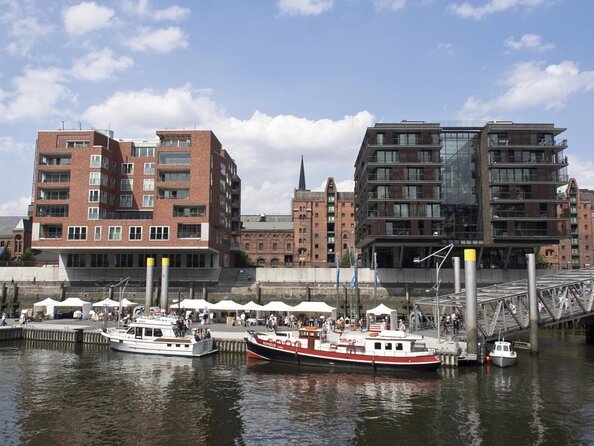
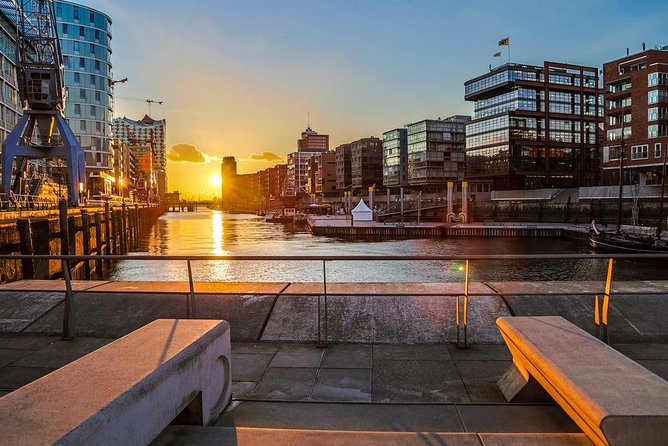
After Speicherstadt, you continue on foot into HafenCity, where the scene shifts quickly from warehouse blocks to modern apartments, offices, and hotels. This is Hamburg leaning forward.
A key moment is seeing the building many Hamburgers consider the best office building in the world, a reference that points you toward Chilehaus as a major focal point on the route. Whether you care about office architecture or not, it’s a good contrast marker. It helps you understand how HafenCity and its landmarks are trying to define a new identity for the waterfront.
As you walk, pay attention to how HafenCity uses space: wide sightlines, newer materials, and a layout that’s designed for contemporary city life. Speicherstadt feels like storage and shipment. HafenCity feels like work, living, and leisure around a redesigned harbor.
If you want a tour that gives you both the “old city that built wealth” and the “new city that sells ideas,” this part delivers.
The harbor, the Elbe views, and yachts large enough to be almost rude
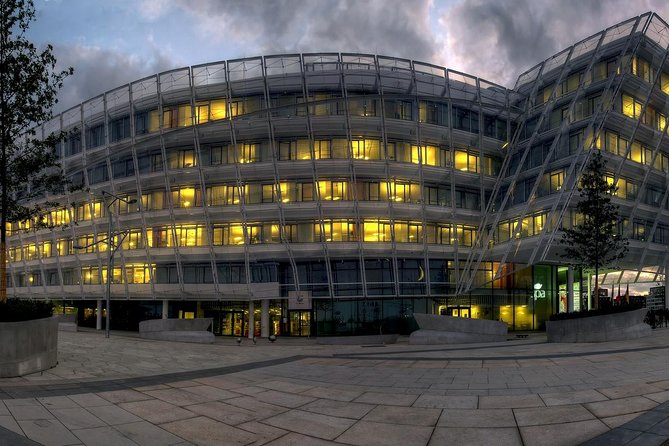
The tour heads toward the harbor area where you may spot some of the world’s largest yachts. The harbor views aren’t subtle. You’re in a place where luxury boats turn heads, and your guide will help you notice what you’re seeing.
Examples mentioned include the Queen Mary 2 and the superyacht Eclipse (linked to Roman Abramovich). Seeing ships like these in person gives you a different understanding of Hamburg’s waterfront role today. It’s not only trade in crates and sacks. It’s also international attention.
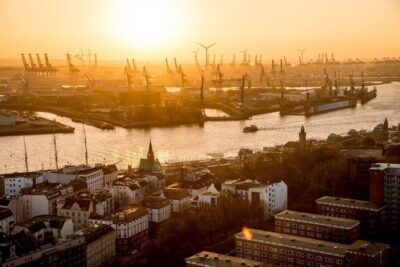
You’ll also get views along the River Elbe and over the harbor. This is one of those “stand, look, breathe” parts where you stop rushing for the next photo. The goal isn’t just pictures. It’s getting the skyline and water orientation in your head.
Then you stroll back toward the start area where the tour ends at Chilehaus. It’s a satisfying loop: explanation first, then views, then a landmark-based finish.
Price and value: what $26.37 buys you in real terms
At $26.37 per person for about 2 hours, you’re paying for a focused guided walk that connects multiple districts and includes product-focused stops.
What makes that number feel reasonable:
You’re not just paying for someone to point at buildings. You’re paying for a guided narrative that links Speicherstadt’s growth to specific trade categories like spices, coffee, and carpets. The optional coffee tasting at the Kaffee-Rösterei can add cost, but the baseline tour still includes the guided shop visits.
You’re also getting the benefit of a guide in German, which matters because it’s easier to follow details when you’re not translating in your head. And the group size cap is up to 25 travelers, so you should still get individual attention at stops, especially compared with huge bus tours.
The only “hidden” value question is your personal interests. If you love history strictly from plaques, you might find the shopping stops a little practical. If you love trade goods and the way a city makes money, this is a strong match.
Who should book this, and who should skip it
This tour is a good fit if you:
- Want a short, guided way to understand both Speicherstadt and HafenCity
- Like hands-on themes like spices, carpets, and coffee (even if you don’t buy)
- Enjoy harbor views and want a chance to see large yachts
- Prefer a guided walk with a German-speaking explanation
You might want to skip it if you have major walking problems. The tour is described as not recommended for travelers with significant mobility limits because you have to keep up with the guide during a public walking format.
If you’re traveling with friends or even just as a duo, it can still work well. One guide experience highlighted that even with only two people, the tour ran and stayed well explained. That’s a good sign for how adaptable the guide can be.
Should you book this Speicherstadt and HafenCity tour?
If you want a 2-hour, high-contrast Hamburg experience with practical stops and real guided context, I’d book it. The price is fair for the amount of ground covered, and the spice/carpet/coffee theme makes the story easier to remember than a pure architecture walk.
I’d particularly recommend it if you’re the type who likes to understand how cities worked, not just what they look like. Speicherstadt plus HafenCity is one of Hamburg’s strongest “then and now” comparisons. This tour gives you that comparison without requiring you to plan multiple tickets or separate excursions.
If you’re short on time and you want the city to feel connected in your head afterward, this is a solid pick.
FAQ
What are the tour duration and main route?
It’s about 2 hours. You start at Baumwall station in Speicherstadt and end at Chilehaus, walking from the old warehouse district toward HafenCity.
Is it a private tour or a group tour?
It’s described as a private 2-hour walking tour with a local guide, and the group has a maximum of 25 travelers.
What’s included in the price?
A local guide is included. Food and drinks are not included unless specified, and the rare coffee sampling is an optional upgrade.
Where do I meet the guide?
You meet at Baumwall station (20459 Hamburg).
Is the tour offered in German?
Yes, the guide is German speaking.
Is it suitable for people with mobility issues?
It is not recommended for travelers with major walking problems because it’s a walking tour and you need to keep up with the guide. Service animals are allowed.
More Tours in Hamburg



More Tour Reviews in Hamburg

More of Speicherstadt & HafenCity


Just In: The Newest Hamburg Reviews



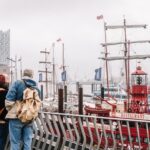


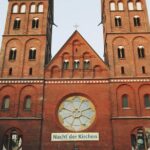


Speicherstadt & HafenCity, compared.
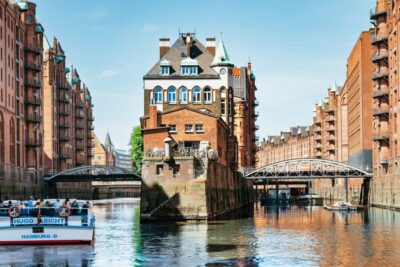 ★ 4.61.5-Hour Harbor and Speicherstadt Day CruiseFrom $4014,200 reviews
 ★ 4.41-Hour Harbor Sightseeing Cruise with HafenCityFrom $303,067 reviews
 ★ 4.7Elbphilharmonie Plaza and HafenCity Food TourFrom $691,711 reviews
 ★ 4.5Eerie Speicherstadt TourFrom $291,394 reviews
 ★ 4.7Speicherstadt and Hafencity Guided TourFrom $161,344 reviews
 ★ 4.8Speicherstadt and HafenCity 2-Hour TourFrom $2821,063 reviews
 ★ 4.7Treasure Hunt Game through HafenCityFrom $29364 reviews
 ★ 4.6Speicherstadt Walking Tour with Coffee TastingFrom $50360 reviews
Browse the lists this tour appears in