
Reviewed · SCHANZENVIERTEL & ALTERNATIVE HAMBURG
Alternative Hamburg / Street Art Private Tour
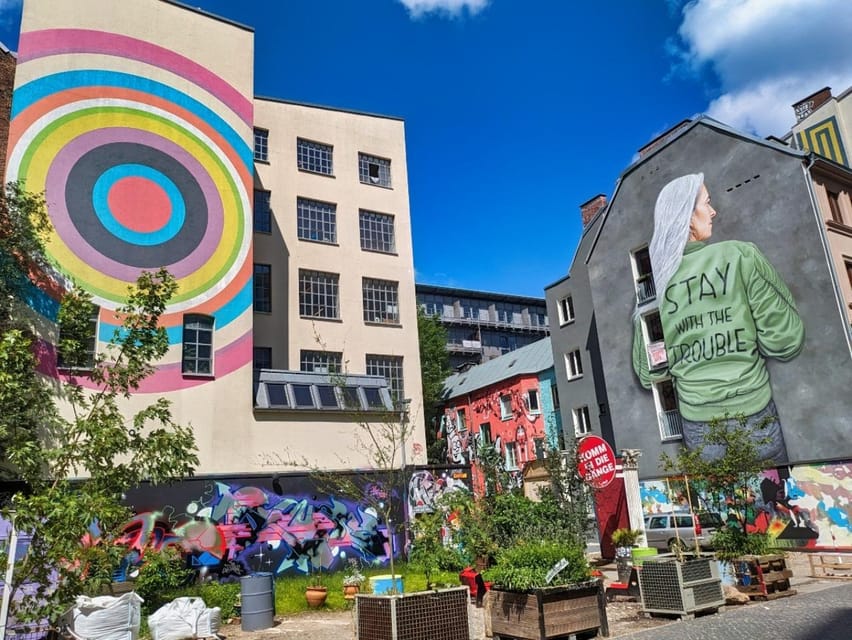
Street art tells stories here, not just colors. This Alternative Hamburg private walk uses graffiti, murals, and even 3D work to show how neighborhoods fight for space and identity.
I love how the tour ties the art to local context, from the famous Rote Flora story to today’s street-level community issues. I also like that the route heads through back streets and creative pockets tied to St Pauli’s music-and-football culture.
One thing to consider: this is not a quick highlight reel of famous walls. You’ll hear political and social topics, including the G20 demos and gentrification pressure, plus you’ll be doing a real walking tour in urban areas.
Guiding is the secret ingredient. Adrian’s way of explaining the scene, artists, and the meaning behind projects makes the walls feel less random and more like a living map.
In This Review
- Quick hits for this Alternative Hamburg street art walk
- Where you start in Sternschanze (and why it sets the tone)
- The real focus: art as community messaging
- Adrian’s stories: Rote Flora, G20 demos, and the meaning behind the walls
- St Pauli culture as a guide to what you’re seeing
- Graffiti, stencils, murals, and 3D work: what to look for on the walk
- Repurposed WW2 bunkers and urban gardens: the scene beyond paint
- Edgy neighborhoods on purpose: why “off the tourist trail” matters
- Price and value: $235 per group (up to 15) for two hours
- Who this tour is best for (and who might want to choose a different style)
- Practical tips so you get the most from the walk
- Should you book this Alternative Hamburg street art tour?
- FAQ
- How long is the Alternative Hamburg street art tour?
- Where do I meet the guide?
- What languages is the tour offered in?
- How much does it cost and how big is the group?
- Is this tour private?
- Is the tour wheelchair accessible?
- What kinds of street art and places will we see?
- What’s included in the price?
- Is free cancellation available?
Quick hits for this Alternative Hamburg street art walk
- Meet by Sternschanze S-Bahn for an easy start right in the Schanzen neighborhood flow
- Adrian’s storytelling connects specific street art styles to community events and local history
- Graffiti, stencils, murals, and 3D installations you can actually study at walking pace
- St Pauli culture influence, including how the Millerntor/St Pauli spirit shapes creative initiatives
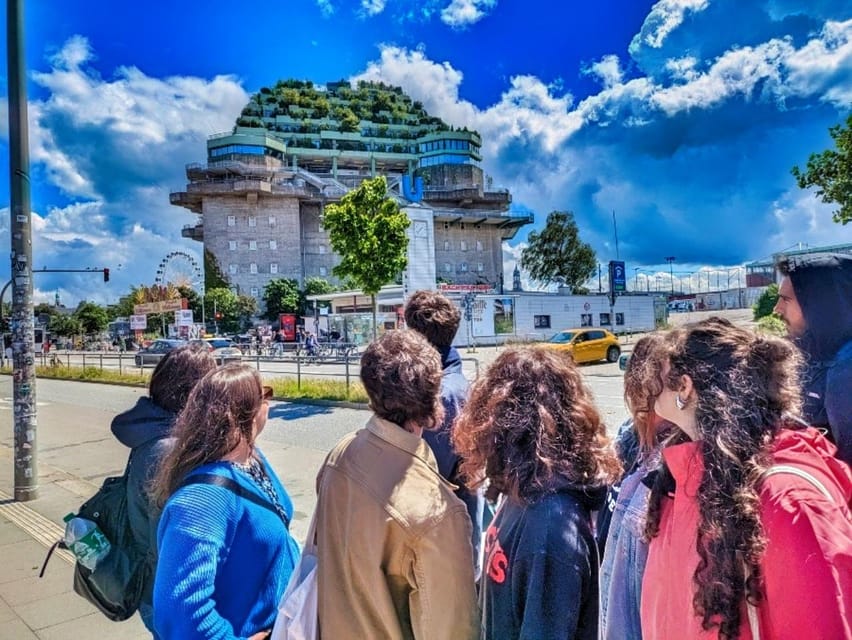
- Repurposed WW2 bunkers, urban gardens, and creative hubs beyond the usual tourist photo spots
- Discussion of gentrification threats and how street artists respond to changing neighborhoods
Where you start in Sternschanze (and why it sets the tone)
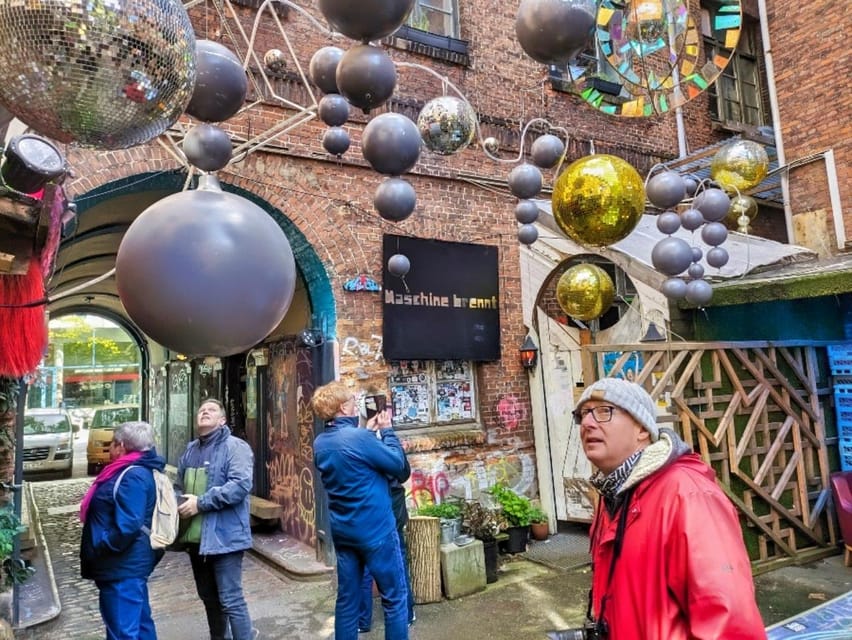
The tour begins at a small square directly opposite the S-Bahn exit of Sternschanze station. There are two exits for Sternschanze, so do yourself a favor and take the S-Bahn exit (not U-Bahn). Once you’re out, you’ll see a juice stand to your left. Cross the road to the paved area with street benches and a small rotunda/hut.
That meeting spot matters because it immediately drops you into the Schanze rhythm: everyday streets, side alleys, and the kind of spaces where alternative culture isn’t hidden behind museum walls. If you arrive a few minutes early, you’ll get your bearings fast and avoid the stress that ruins the first 10 minutes of any street tour.
More of the Schanze and Hamburg off the postcard



The real focus: art as community messaging
This is the kind of Hamburg street art tour where you don’t just point and shoot. You learn how graffiti and murals can act like public conversation—sometimes friendly, sometimes confrontational, often both at once.
You’ll move through colorful local neighborhoods and the city’s alternative scene, with an emphasis on how art is shaped by music culture, local organizing, and sometimes direct protest. The guide’s perspective is especially strong when explaining why certain projects spark debate, and what that debate means for people living nearby.
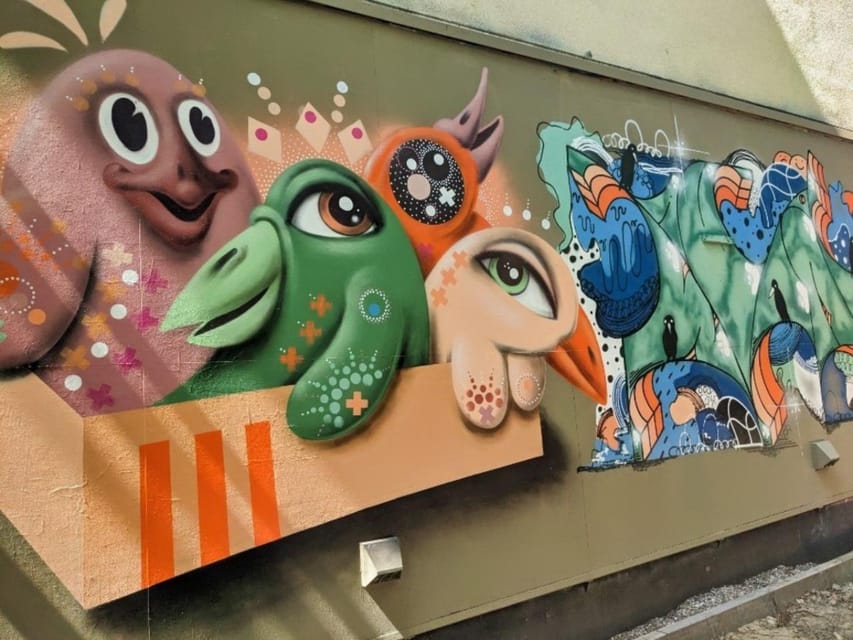
A nice detail is that the tour doesn’t treat street art as one single style. You’ll see different forms—graffiti walls, stencil art, murals, and 3D installations—and you’ll learn how each visual language tends to carry different kinds of messages. Even if you’re not a hardcore art person, you’ll start noticing patterns and themes you would’ve walked past alone.
Adrian’s stories: Rote Flora, G20 demos, and the meaning behind the walls
Adrian is the name you’ll hear again and again in the way the tour is described: engaged, highly invested, and clearly comfortable connecting artwork to the people behind it.
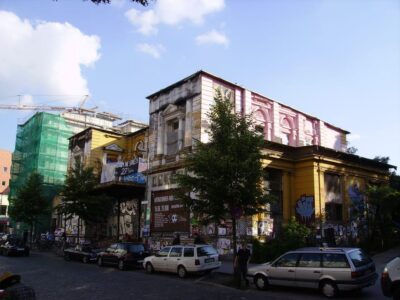
The tour covers controversial community topics, including the infamous G20 demos, and it touches the history of the famous Rote Flora. That isn’t trivia for trivia’s sake. The point is to help you understand why certain neighborhoods develop a street art voice in the first place: when normal channels feel blocked, walls become a place to speak.
You’ll also learn about community protests and the push-pull of gentrification threats in Hamburg. The tour frames it as a real pressure on daily life, not just an abstract economic trend. That lens makes the art feel more grounded. Instead of seeing a mural as a decoration, you start seeing it as a response—sometimes hopeful, sometimes defensive.
St Pauli culture as a guide to what you’re seeing
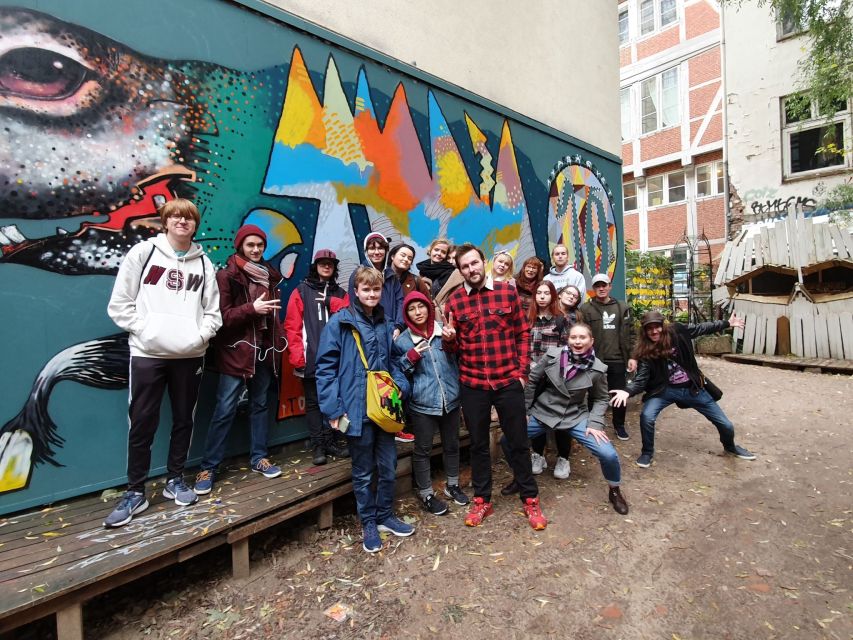
One of the most practical parts of the tour is how it uses St Pauli as a cultural key. The guide links the scene to community spirit shaped in part by the St Pauli football club, and you’ll get examples of how that support connects to initiatives and creative arts.
As you walk, you’ll pass by Millerntor stadium and hear how that environment feeds music, creativity, and community projects. That matters because St Pauli isn’t only about art on walls—it’s also about people building spaces and keeping them useful for the neighborhood.
You’ll also pass by an urban greenhouse project nearby, connected to Karoviertel and its café culture. That stop gives you a concrete example of how alternative thinking can show up in the form of real public projects, not only in paint.
Graffiti, stencils, murals, and 3D work: what to look for on the walk
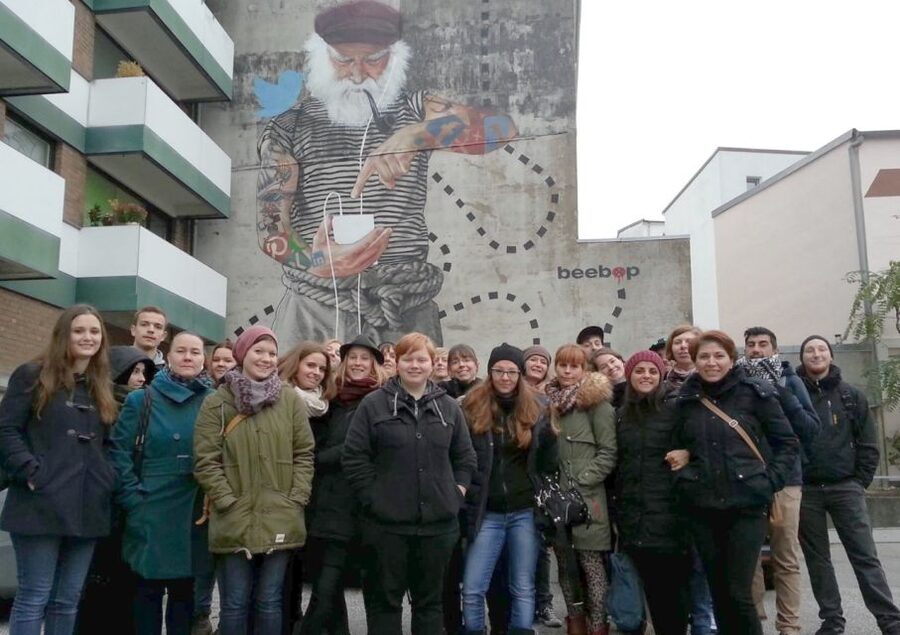
A lot of street art tours rush. This one works at a human walking pace, so you can actually look.
Here’s what you should pay attention to as you go:
- Graffiti styles: look for how tags and larger pieces signal different intentions—quick statements versus longer narratives.
- Stenciled images: notice how they can feel sharp and fast, like street-level headlines.
- Murals: focus on composition and themes; these often aim for something bigger than a single message.
- 3D installations: these can trick your eye, but they also tend to invite participation—how the artwork sits with the street becomes part of the meaning.
The tour includes plenty of examples from graffiti walls and stencils, plus mural and 3D installation art. If you’re the kind of person who likes to study details—colors, shapes, repetition, symbols—this format rewards you.
If you’re less into art analysis, don’t worry. The guide’s job here is to translate what you’re seeing into why it exists. That’s what keeps the walk from becoming a scavenger hunt.
Keep it to your own group with a private tour




Repurposed WW2 bunkers and urban gardens: the scene beyond paint
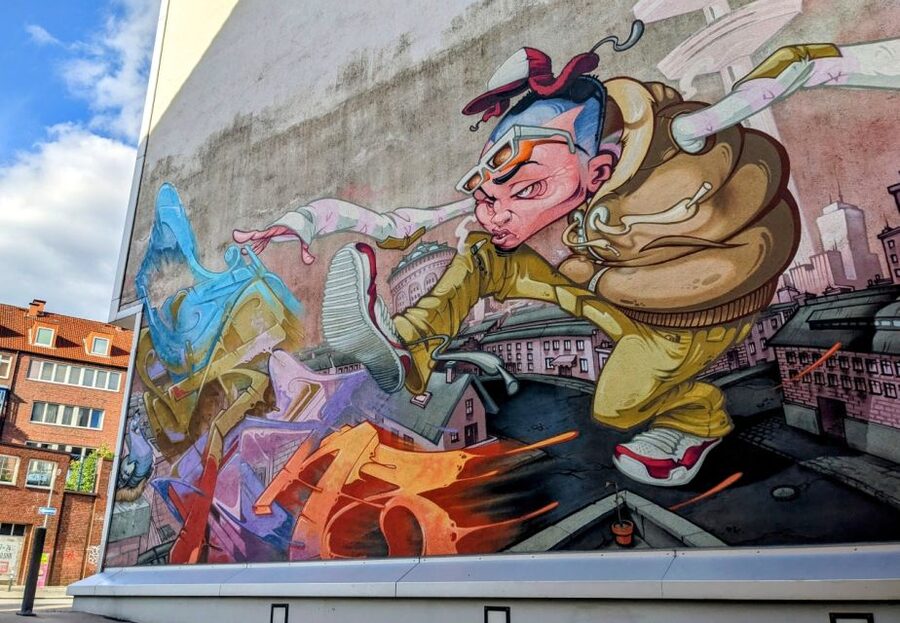
One of the tour’s most distinctive ingredients is the inclusion of places that aren’t just street corners with art. You’ll visit repurposed WW2 bunkers, plus urban gardens and creative hubs.
That’s valuable because it expands your idea of street culture. People often think street art is only about walls. But when you step into repurposed spaces and garden projects, you see how creativity can be structural. It can change how people gather, how communities survive, and how ideas keep breathing even when the city changes around them.
Urban gardens and creative hubs also give you a break from constant visual intensity. They’re good for resetting your eyes and letting the stories sink in. Plus, these stops help you understand why alternative culture sticks around: it’s practical as well as aesthetic.
Edgy neighborhoods on purpose: why “off the tourist trail” matters
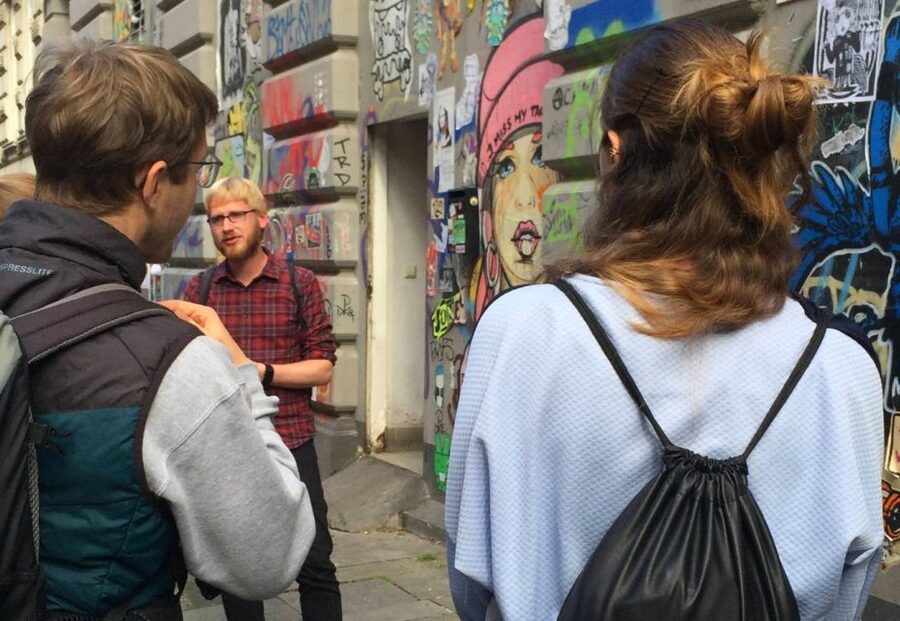
This tour is built around going beyond the most obvious sights. You’ll walk through side streets, parks, bohemian neighborhoods, and the kind of backstreet spaces that only make sense when you understand their local identity.
If you’ve only ever done big, famous-city walking routes, this will feel different in a good way. You’ll be noticing the city the way residents do: what’s changing, what’s protected, what’s contested, and what’s been claimed by community projects.
It’s also a better match for people who like street-level city stories—how a neighborhood talks back to big events, how it reacts to policy pressure, and how it defends the feel of daily life through art.
Price and value: $235 per group (up to 15) for two hours
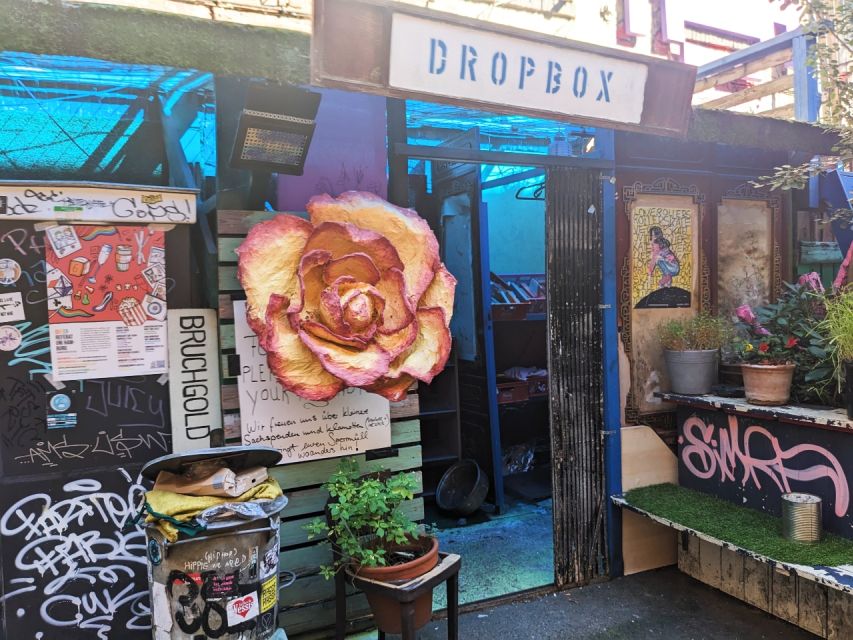
At $235 per group up to 15, the pricing is really about group size and what you want from the experience.
Here’s the value angle I’d use to decide:
- If you’re a solo traveler, you may feel the cost unless you’re excited for guided context and want someone else to handle the “what am I looking at and why?” part.
- If you’re a small group—friends, a company group, a school excursion, or a family unit—the price can start to feel fair because you’re splitting a guide-led experience that includes multiple art styles plus specific local topics.
- Two hours is also a practical sweet spot for a street art tour. Long enough to cover real ground and get meaningful context, short enough to still enjoy the rest of your day in Hamburg.
You’re not just paying for locations. You’re paying for interpretation—especially around the controversial projects, the Rote Flora history, and the role of St Pauli culture.
Who this tour is best for (and who might want to choose a different style)
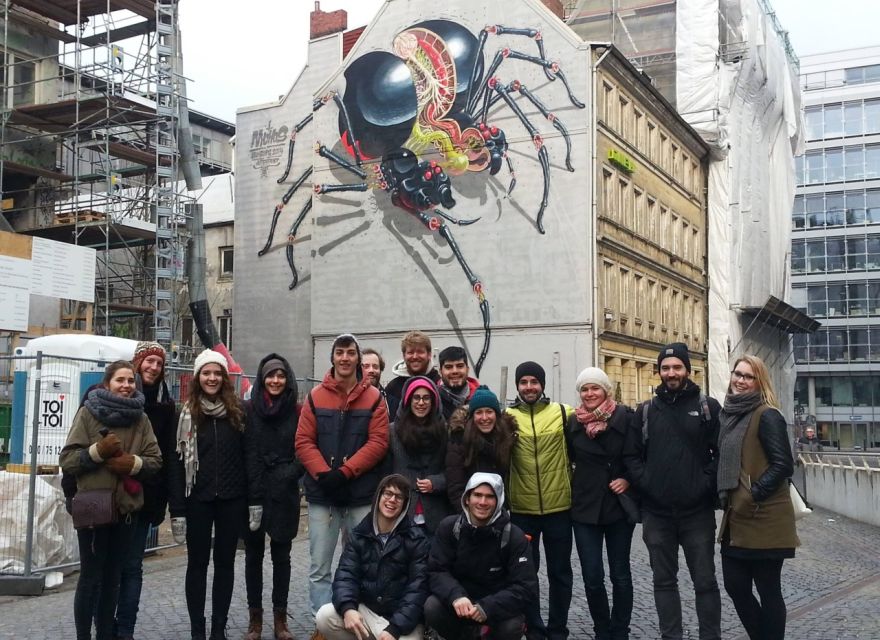
This works well if you:
- care about street art beyond photos and want the social meaning behind it
- enjoy walking tours with strong local storytelling
- want a guide to connect Hamburg’s counter-culture to what you see on the street
- like alternative neighborhoods and music-and-community culture, especially around St Pauli
You might choose something else if you strongly prefer neutral, purely aesthetic sightseeing. Because the tour includes topics like G20 demos and gentrification pressure, the tone isn’t only “look at the art.” It’s also “why is this art here, and what is it responding to?”
Practical tips so you get the most from the walk
A couple small things can make your experience smoother:
- Wear shoes you can stand in on city streets and sidewalks. This is a walk-first tour.
- Bring curiosity about symbolism. Even if you don’t know street art terminology, you can still learn to read visual cues.
- If you get the chance to ask questions, do it. Adrian’s style is described as highly engaged, and the tour is built for conversation as much as for seeing.
Also, remember you’re in neighborhoods where street culture is part of daily life. That means you’ll get more from the walk if you keep an open, respectful mindset.
Should you book this Alternative Hamburg street art tour?
I’d book it if you want a guided street art experience that explains the city behind the art—especially through St Pauli culture, the Rote Flora story, and the way gentrification pressures shape what appears on walls and in community spaces. The mix of graffiti, stencils, murals, and 3D installations plus stops at repurposed bunkers and urban gardens makes it more than a photo walk.
I’d skip it if you’re looking for a calm, purely historical tour with zero controversy and minimal walking. Otherwise, this is the kind of Hamburg tour that leaves you seeing neighborhoods differently, not just remembering a set of spots.
FAQ
How long is the Alternative Hamburg street art tour?
The tour lasts 2 hours.
Where do I meet the guide?
Meet by the small square directly opposite the S-Bahn exit of Sternschanze station. Use the S-Bahn exit (not U-Bahn). After exiting, there will be a juice stand to your left; cross the road to the paved area with street benches and a small rotunda/hut.
What languages is the tour offered in?
The live tour guide speaks English and German.
How much does it cost and how big is the group?
It costs $235 per group and is up to 15 people.
Is this tour private?
Yes, it’s a private group tour.
Is the tour wheelchair accessible?
Yes, the tour is listed as wheelchair accessible.
What kinds of street art and places will we see?
You’ll focus on Hamburg graffiti, murals, and 3D installation art, plus areas tied to alternative culture. The route also includes repurposed WW2 bunkers, urban gardens, and creative hubs.
What’s included in the price?
A guided tour with a fun, entertaining guide is included.
Is free cancellation available?
Yes. You can cancel up to 24 hours in advance for a full refund.
More Tours in Hamburg




More Tour Reviews in Hamburg

More of the Schanze & Alternative Hamburg



Just In: The Newest Hamburg Reviews






Schanzenviertel & Alternative Hamburg, compared.
 ★ 4.6Schanzenviertel Culinary TourFrom $572,051 reviews
 ★ 4.5Culinary Insider Tour of St. GeorgFrom $589272 reviews
 ★ 4.5Downtown, Alster & Creative Neighborhoods by BikeFrom $43217 reviews
 ★ 4.6Mystical Hamburg – Walking Tour in GermanFrom $29168 reviews
 ★ 4.5Schanzenviertel Food and Beer TourFrom $6144 reviews
 ★ 4.4Hamburg – Freemason Walking Tour in GermanFrom $2938 reviews
 ★ 4.8Private Tour – Schanzenviertel & KarolinenviertelFrom $29415 reviews
 ★ 4.9Safari tour in St. PauliFrom $3511 reviews
Browse the lists this tour appears in