
Reviewed · ALSTER LAKE CRUISES & GONDOLAS
Hamburg: Downtown, Alster & Creative Neighborhoods by Bike
Hamburg by bike feels like two cities. This tour strings together social contrasts you can actually feel on the streets, from big-street history to artist-energy blocks in areas like Sternschanze. You’re not just riding past sights; you’re hearing how the city’s different lifestyles fit side by side.
I love the way the route turns toward the Inner Alster Lake, with villas, parks, and that lifestyle-view feeling you get when you glide along the water. A small drawback to keep in mind: English quality can vary, and one guest flagged trouble when a guide wasn’t fully set for an English tour—so if English is a must, it’s smart to double-check the language on your booking.
In This Review
- Key points to know before you pedal
- Starting from the University area: bikes, time, and a smooth launch
- Sternschanze and Karolinenviertel: streetlife with attitude (and photo stops)
- St. Pauli and the Portuguese quarter: music, pubs, and neighborhood projects
- Neustadt and the Inner Alster waterfront: boutiques, villas, and a calmer tempo
- The Kontorhaus era and Hammerbrook’s Münzviertel: buildings as social questions
- St. Georg, rowing clubs, and consulates: multicultural edge before the ride home
- Price and value for $43: what you actually get in 210 minutes
- What kind of traveler should book this ride?
- Should you book this Hamburg bike tour?
- FAQ
- Where do I meet for the tour?
- How long is the Hamburg bike tour?
- How much does it cost?
- What languages are available?
- What time does the tour run?
- How big is the group?
- What happens if it rains?
Key points to know before you pedal
- Small group of up to 12 means the guide can steer the pace and questions better
- Inner Alster Lake time mixes parks, villas, and lifestyle shopping views from the saddle
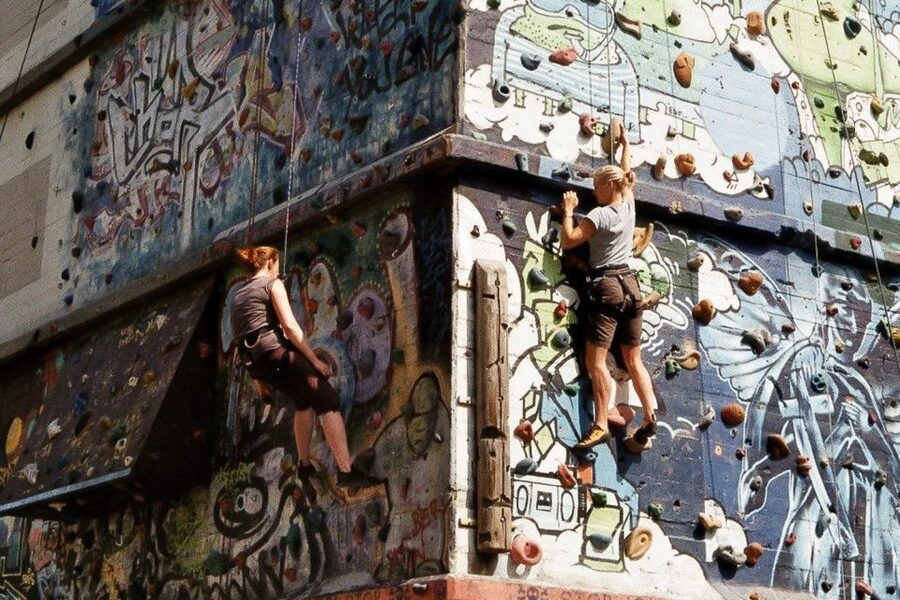
- Alternative-culture stops around Sternschanze and St. Pauli focus on streetlife, music, pubs, and local projects
- Komm in de Gänge comes up as an example of how artist cooperatives shape neighborhoods
- Kontorhaus district + Münzviertel in Hammerbrook connects architecture and the idea of socially responsible city use
- Route keeps shifting neighborhoods so Hamburg doesn’t blur into one long ride
Starting from the University area: bikes, time, and a smooth launch
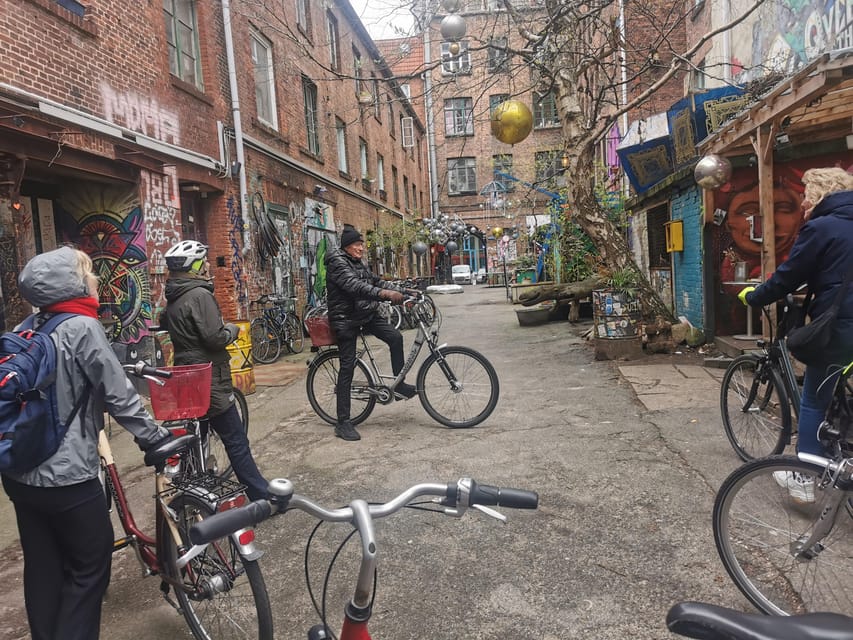
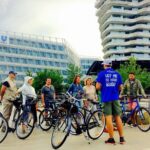
You meet outside the Fahrradstation (bike station) at the University of Hamburg. From there, you get your bike rental, a city map, and a live guide to help you read what you’re seeing instead of just ticking boxes. The tour runs daily at 10:00 and 14:00, and it lasts 210 minutes—about 3.5 hours in motion, plus photo stops and short guided segments.
What I like about this setup is that it’s the kind of half-day ride that works even if Hamburg is just one stop on your trip. You’re not committing to the whole day, but you still cover enough ground to feel how the city changes from one district to the next.
Group size matters here. With a cap of 12 participants, it’s easier to keep the ride cohesive, and you’re less likely to get dropped into a “follow the leader” situation. That said, because it’s a timed city tour, bring water and plan for an afternoon that may feel long if you’re the type who expects constant stops. The upside is that you’ll see a lot without spending all day figuring out routes on your own.
More gentle laps of the Alster lakes

Sternschanze and Karolinenviertel: streetlife with attitude (and photo stops)
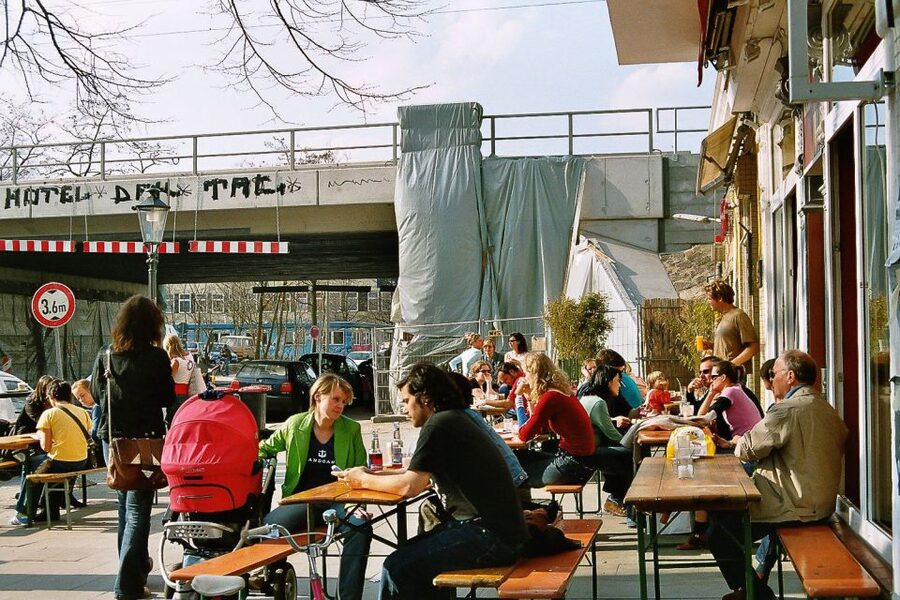
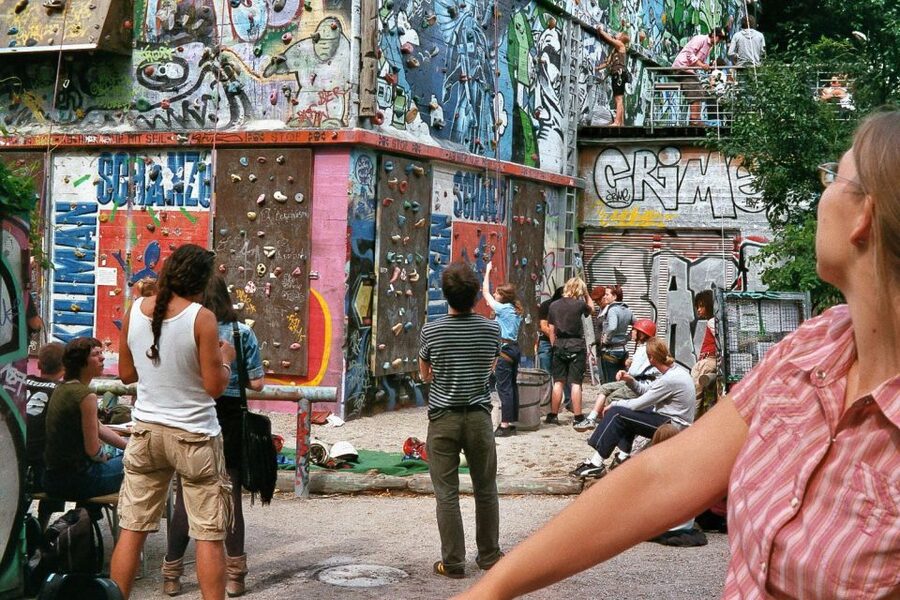
Once the tour gets rolling, you head into Sternschanze for a mix of guided walking-through moments and bike riding. This is where Hamburg starts leaning toward the alternative: art-quarter energy, different crowds, and street scenes that feel less formal than the postcard versions of Germany.
From there, you continue through Karolinenviertel. Expect photo stops and guided commentary, which usually means the guide will point out what’s worth looking at from street level—signs, building styles, and the social “texture” of the area. You also ride past the historical Schröderstift neighborhood and the Sternschanzenpark area. Even without getting too technical, these stops help you understand that Hamburg’s creative side isn’t only about one “cool street.” It’s built from smaller places that feed off each other.
One thing to watch for: you’ll be switching between bike time and quick pauses. If you’re the kind of traveler who likes to read every sign, you may want to slow down a touch during the guided stops so you can actually absorb what the guide is emphasizing.
St. Pauli and the Portuguese quarter: music, pubs, and neighborhood projects
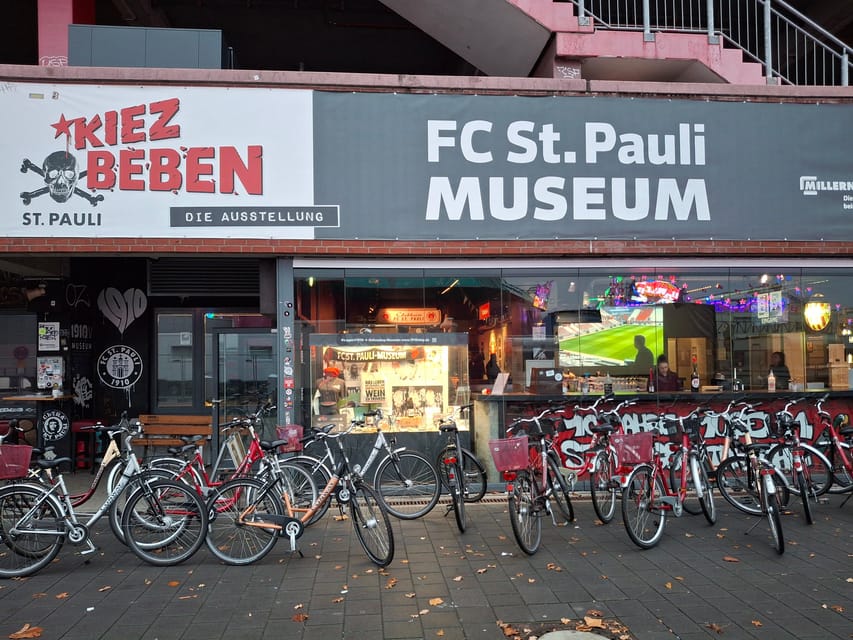
Next comes St. Pauli, another district where the city’s edge shows up. You ride along Hafenstraße, with a guided segment and time that includes the Portuguese quarter. This is where the tour leans into everyday culture: streetlife, music, pubs, and the kind of late-day energy that doesn’t require a museum ticket.
You’ll also hear about Komm in de Gänge, an artist cooperative project. This part is valuable because it turns “alternative area” from a vague label into something you can picture: people organizing space, creative work spilling into the neighborhood, and local initiatives shaping how streets feel.
Then there’s the shopping angle. The tour description includes crazy shopping, which I’d interpret as: you’ll pass storefront vibes that don’t match the tidy stereotype of Hamburg shopping. Even if you don’t buy anything, it helps you understand the area’s mix of visitors and locals.
Practical note: this is also the portion where distractions are highest—signs, crowds, and side streets. If you’re riding with a group, stay aware of the guide’s cues so you don’t end up doing a solo detour while everyone else is moving.
Neustadt and the Inner Alster waterfront: boutiques, villas, and a calmer tempo
After the St. Pauli section, the route shifts toward Neustadt and then toward the Inner Alster Lake area. Neustadt includes a shorter visit and sightseeing time (about 30 minutes), so you get a breather from pure riding and a chance to absorb the feel of a more polished part of town.
Then comes the payoff many people want from Hamburg: the Inner Alster. You ride under the Lombard Bridge, and you’ll see the lake’s campers vibe close up—people using the space, not just photographing it. Nearby, the route also points you toward parks and rowing-club territory later on, so the Alster stops don’t feel like a single highlight. They function like a transition: from high-energy streetlife to a more lifestyle-oriented pace.
Along the Inner Alster, you pass sophisticated boutique scenery. This is the part that often makes visitors go quiet—because the setting is simply pleasant, and the contrast with the earlier districts is obvious. You’re still in the city, still moving, but the atmosphere changes. You’ll also pass areas described as including villas, boutiques, and parks, so it’s not just one “pretty view.” It’s a whole slice of how different Hamburg lives look and move in public.
The Kontorhaus era and Hammerbrook’s Münzviertel: buildings as social questions

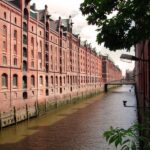
One of the smartest parts of this tour is that it doesn’t treat architecture as decoration only. You visit the Kontorhaus district from the 1920s, then you ride onward to the Münzviertel in Hammerbrook.
What makes this section useful for you is the framing: the Münzviertel is presented as a representative example for discussion on socially responsible city use. That doesn’t mean you’ll get a lecture. It means the guide gives you a lens for looking at how space gets used—who it serves, how neighborhoods change, and why city planning can be a moral and social topic, not just a technical one.
The 1920s Kontorhaus mention matters because it ties Hamburg’s past commercial identity to the city you’re riding through now. You see buildings and streets that signal the city’s business-era growth, then you hear how today’s urban use gets debated. It’s a good reminder that “old streets” are still active streets. They just carry different meanings depending on the era and the people living around them.
If you’re the type who likes your city experiences grounded in practical thinking, this portion is a nice balance between fun contrast and real context.
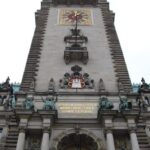
See more of the old town between the Rathaus and the water



St. Georg, rowing clubs, and consulates: multicultural edge before the ride home
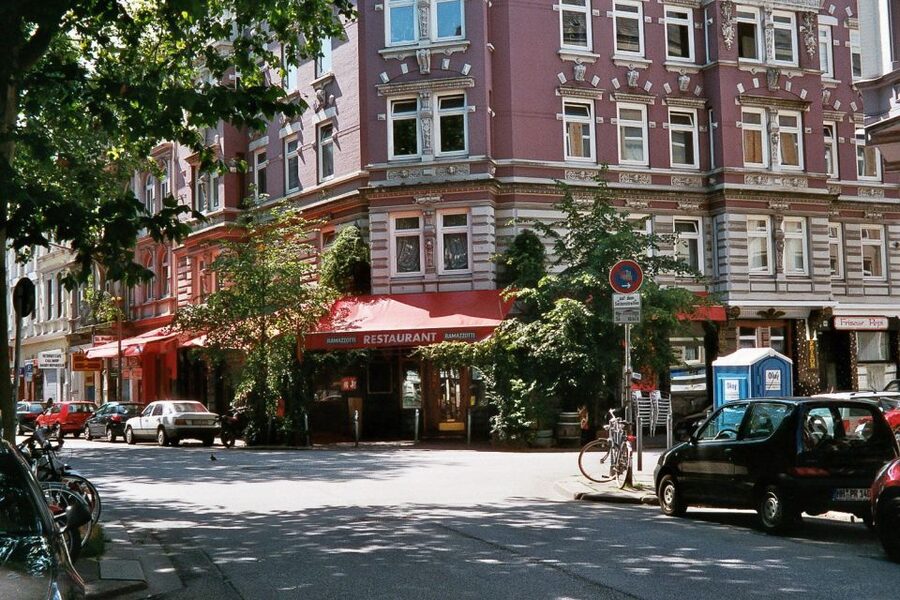
After Hammerbrook, the route continues to St. Georg, where the tour highlights contrasts of multicultural life. This is a different kind of “difference” than Sternschanze or St. Pauli. Instead of focusing only on alternative culture, the focus shifts toward how many communities and rhythms coexist in the same urban space.
You also continue along the Inner Alster again under Lombard Bridge, tying together earlier moments of the water with later ones. Near the end of the ride, you pass rowing clubs and consulates. That combination is interesting because it points to Hamburg’s two faces: local tradition and international presence. Even if you don’t go inside anything, the guide’s commentary helps you understand why those sites sit where they do in the urban flow.
Then it’s back toward the bike shop area, completing the loop at Schlüterstraße 11. By the time you roll back, you’ve seen enough districts to feel like you understand why Hamburg doesn’t have just one personality. It has multiple ones, in close proximity.
Price and value for $43: what you actually get in 210 minutes
At $43 per person for a 210-minute guided ride, this is priced like a city activity that’s trying to be fair rather than fancy. Here’s what you’re getting value for:
- Bike rental is included, so you’re not adding a separate equipment cost.
- Tour guide is included, which matters because the whole point is learning the contrasts and stories behind the neighborhoods.
- City map is included, which helps you keep your bearings after the tour.
- Alternatives during bad weather are provided, so you’re not stuck if it’s raining.
The fact that the tour is capped at 12 participants also supports the value. Smaller groups usually make it easier to ask questions and get relevant explanations instead of generic narration aimed at nobody in particular.
Time value is the other part. 3.5 hours in Hamburg on a bike is enough to link multiple districts. You get contrast without turning it into a whole-day logistics project. If you’re only in town briefly, this is the kind of “spend time well” activity that can save you from spending hours trying to plan a self-guided route that actually connects the right neighborhoods.
If you hate bike tours or you’re expecting a slow, stop-everywhere sightseeing crawl, this may feel like more motion than you want. But if you like seeing a city as a living system—streets, neighborhoods, and public spaces—this format fits.
What kind of traveler should book this ride?
This tour is a strong match if you want:
- A contrast-focused Hamburg experience instead of only grand landmarks
- Neighborhood context tied to streetlife, music, pubs, and shopping vibes
- A mix of districts that includes creative areas like Sternschanze and the social-use discussion points around Hammerbrook
- Enough time on the bike to feel like you connected parts of the city, not just passed through them
It’s also a decent pick if you appreciate guides who tell small stories. For example, guides such as Bernd are highlighted for bringing many small stories to unusual places and showing you quarters that many people skip.
Where you might hesitate:
- If you require flawless English support, consider confirming your language when booking. One past guest reported limited English during an English booking, which can make a long afternoon feel even longer if you can’t fully follow.
- If you prefer a museum-style pace with lots of indoor stops, this is more about streets and neighborhoods than indoor content.
Should you book this Hamburg bike tour?
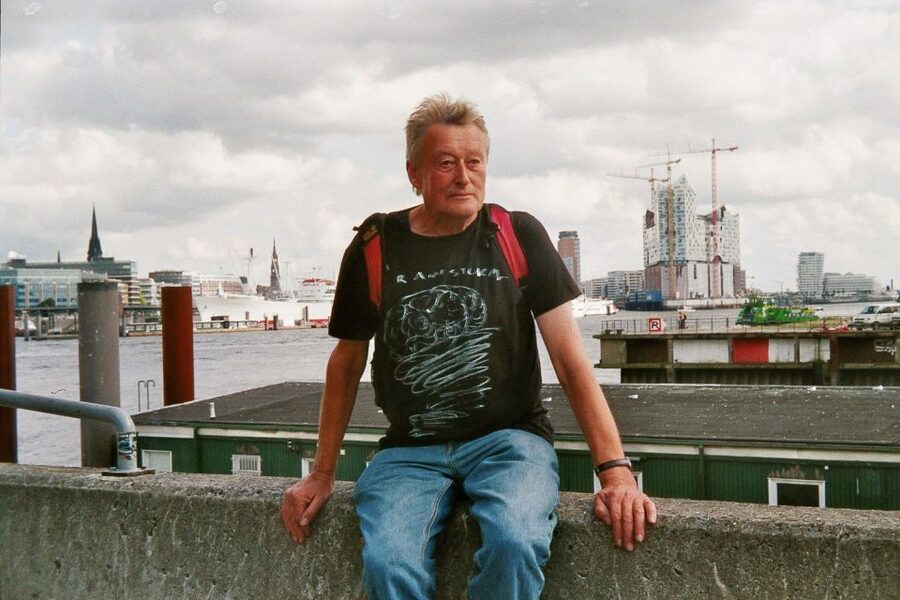
I’d book it if you want a practical, district-to-district view of Hamburg—especially if you’re curious about how high-society streets and alternative lifestyles coexist. The Inner Alster segment gives you a well-timed change of pace, and the Kontorhaus and Münzviertel parts add a thinking layer beyond photos.
Skip it if your top goal is deep, indoor sightseeing, or if language reliability is a deal-breaker for you. In that case, you might prefer a tour where the guide language is guaranteed end-to-end.
FAQ
Where do I meet for the tour?
You meet outside the Fahrradstation (bike station) of the University of Hamburg.
How long is the Hamburg bike tour?
The duration is 210 minutes.
How much does it cost?
The price is $43 per person.
What languages are available?
The tour is offered in English and German, depending on the booking.
What time does the tour run?
It runs daily at 10:00 and at 14:00.
How big is the group?
The group size is limited to 12 participants.
What happens if it rains?
If it rains, there is a replacement program without a bike, using public transport.
More of Hamburg by Bike

Hamburg Old Town, On Foot
Back Out on the Alster


Just In: The Newest Hamburg Reviews






Alster Lake Cruises & Gondolas, compared.
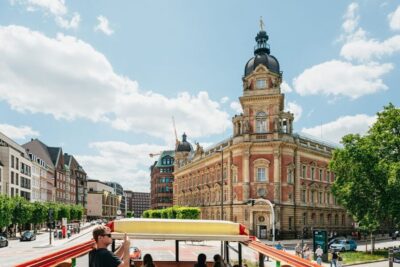 ★ 4.5Hop-On Hop-Off Bus with Alster or Harbor CruiseFrom $44812 reviews
 ★ 4.4City Cruise on Alster LakeFrom $29533 reviews
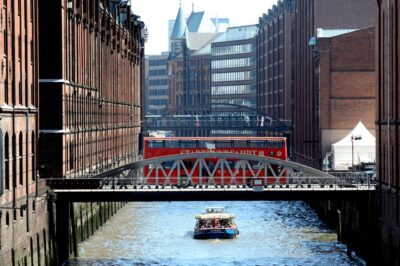 ★ 4.6Hamburg Discovery: Bus Tour with Harbor & Alster Lake CruiseFrom $64208 reviews
 ★ 4.9Alster River Sailboat Tour with SundownerFrom $45110 reviews
 ★ 4.8Alster River Sailing Tour on a 2-Masted SailboatFrom $45101 reviews
 ★ 3.5Hamburg Hop-on-Hop-off Tour, Harbor and Lake Alster CruiseFrom $7497 reviews
 ★ 5.0Hamburg Small-Group Sunset Sailing Cruise on Lake AlsterFrom $4691 reviews
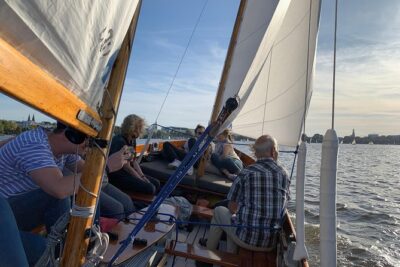 ★ 5.0Sailing trip on the Hamburg Outer AlsterFrom $4644 reviews
Browse the lists this tour appears in