
Reviewed · ST. PAULI KIEZTOURS
Die Kiez-Kapitän Hamburger Stadtführung & Speicherstadt Tour
Hamburg makes sense in two hours. This Hamburger Stadtführung & Speicherstadt Tour strings together the Alster, the Town Hall area, UNESCO Speicherstadt, and a strong look toward the Elbphilharmonie, so the city’s shape clicks in your head fast. I especially like how the tour’s stories tie big events—like the Hamburg fire of 1842—to the exact streets you’re standing on, not just to a textbook timeline.
Two things I really enjoyed: the mix of landmarks (Town Hall, Chamber of Commerce, St. Nikolai Memorial, Speicherstadt) and the way the guide brings them to life with small, human details. If you’re lucky enough to get Kiez-Kapitän Jens Hartmann, you’ll likely feel that the walk never turns into a lecture—more like talking shop about Hamburg’s seafaring life and what survived. One thing to consider: the tour guide speaks German, and the Elbphilharmonie itself isn’t included—so plan on your own time for the plaza if you want to linger.
In This Review
- Key highlights that make this tour worth your time
- Starting at Jungfernstieg, on the water
- Alster Lake and the Town Hall: Hamburg’s “center of gravity”
- Chamber of Commerce and the Patriotic Society of 1765: power behind trade
- Trostbrücke and Laeiszhof: the city’s small clues
- St. Nikolai Memorial and the 1842 fire: tragedy that shaped the city
- Deichstraße to Speicherstadt: UNESCO brickwarehouses by the Elbe
- HafenCity and the Elbphilharmonie view: old port meets new design
- Price and timing: is $18 for two hours a fair deal?
- What the itinerary feels like, step by step
- Who should book this tour (and who might not)
- Should you book Die Kiez-Kapitän Hamburger Stadtführung & Speicherstadt Tour?
- FAQ
- How long is the Die Kiez-Kapitän Hamburger Stadtführung & Speicherstadt Tour?
- What is the meeting point for the tour?
- What language is the live guide?
- Is the Elbphilharmonie visit included?
- How much does the tour cost?
- What’s included in the tour?
- Is there a cancellation option?
- Is the tour wheelchair accessible?
- Where does the tour finish?
Key highlights that make this tour worth your time
- Alster to Speicherstadt walking arc: you cover major “Hamburg identity” sights in one smooth route
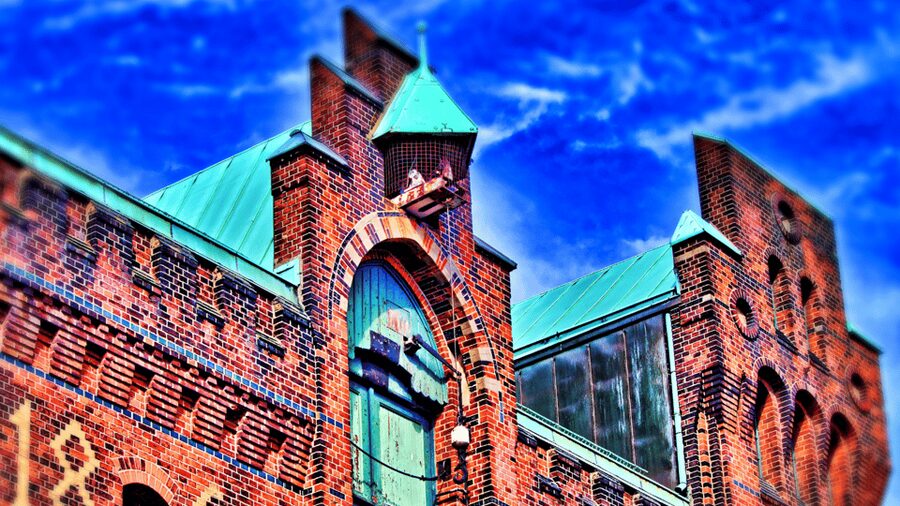
- UNESCO Speicherstadt focus: brick warehouses by the Elbe get real context, not just photos
- Big-city drama, right on the pavement: the 1842 fire, 1962 flood, and wartime destruction connect to places you see
- Seafaring stories you can picture: includes references from Hans Albers to the old and new port areas
- Finish near the Elbphilharmonie area: you get the view before deciding how long to stay
Starting at Jungfernstieg, on the water
Most good Hamburg walks start with the water, and this one does. The meeting point is Jungfernstieg 58, right by the Alster piers (Anleger Nr. 1), so you’re already in the right mood before anyone explains a thing. You also get practical convenience: the area has S-/U-Bahn access and bus lines nearby, which matters when you’re trying not to lose time.
If you arrive a few minutes early, take one quick loop by the water and watch how locals use the Alster. That’s one reason the tour works so well: the guide can point out how the city’s power and commerce grew around rivers, canals, and harbor routes rather than starting from abstract history.
More Kieztours through the heart of St. Pauli



Alster Lake and the Town Hall: Hamburg’s “center of gravity”
After you start, the walk moves to the Alster and then into the civic heart around the Hamburg Townhall. What I like here is that you’re not just seeing architecture—you’re learning how Hamburg organized itself as a trading city with its own rules, institutions, and pride.
The Alster portion helps you understand the city’s rhythm: the water is pretty, yes, but it’s also part of how Hamburg functioned. Then the Town Hall area shifts the story from “where people went” to “who made decisions.” You’ll hear how the Hanseatic city developed its identity through governance and trade—two themes that keep popping up later around the port.
A practical note: this is a walk through town, so if you’re sensitive to wind off the water, bring a layer. Short stops help, but you’ll want to be comfortable enough to keep moving.
Chamber of Commerce and the Patriotic Society of 1765: power behind trade
Next up, the route includes the Hamburg Chamber of Commerce and the Patriotic Society of 1765. These stops are valuable because they explain the “engine room” behind the city’s merchant culture. Hamburg wasn’t only a place with ships; it was a place with systems—how people organized credit, influence, and information.
This is also where the guide’s storytelling style really matters. Instead of listing dates, you’ll likely get pointed explanations about how institutions shaped what merchants could do and how the city protected its interests. If you like hearing how communities organize themselves, these are strong stops.
There’s a small tradeoff: if you’re expecting a museum-like experience with lots of inside viewing, you’ll be out in the streets and facades. But for first-time visitors, that’s actually a strength—you get the big picture fast, then you can choose what to go see later.
Trostbrücke and Laeiszhof: the city’s small clues
The itinerary includes Trostbrücke and Laeiszhof, and these are the kinds of locations where a good guide earns their fee. You’ll get explanations tied to the street-level layout, and that’s where details start to feel meaningful.
One especially memorable kind of detail is the story about a poodle on the roof. I won’t pretend every rooftop ornament has a dramatic saga, but Hamburg’s historic buildings often do—and when a guide points out quirky things like that, you pay attention more. It turns the walk into a scavenger hunt for character, not just a checklist.
This segment also helps you connect the city’s “old” face with the “working port” reality you’ll see later. Think of it like the bridge between civic pride and commercial life.
St. Nikolai Memorial and the 1842 fire: tragedy that shaped the city
Then you hit the emotional center: the St. Nikolai Memorial. This stop matters because it anchors the tour in what Hamburg went through—especially destruction during major conflicts. You’ll learn about the destruction of Hamburg in World War in a way that feels grounded, since you’re standing where the event left visible marks.
From there, the tour also covers the Hamburg fire of 1842 and the Great Hamburg Flood of 1962. These aren’t just dramatic headlines. They explain why urban planning, building materials, and harbor infrastructure became so important for this city.
If you tend to glaze over at disaster dates, here’s a better approach: listen for how the guide connects survival and rebuilding to what you see next. The point isn’t to wallow—it’s to understand why the city looks the way it does today.
More time in the red-brick Speicherstadt and HafenCity




Deichstraße to Speicherstadt: UNESCO brickwarehouses by the Elbe
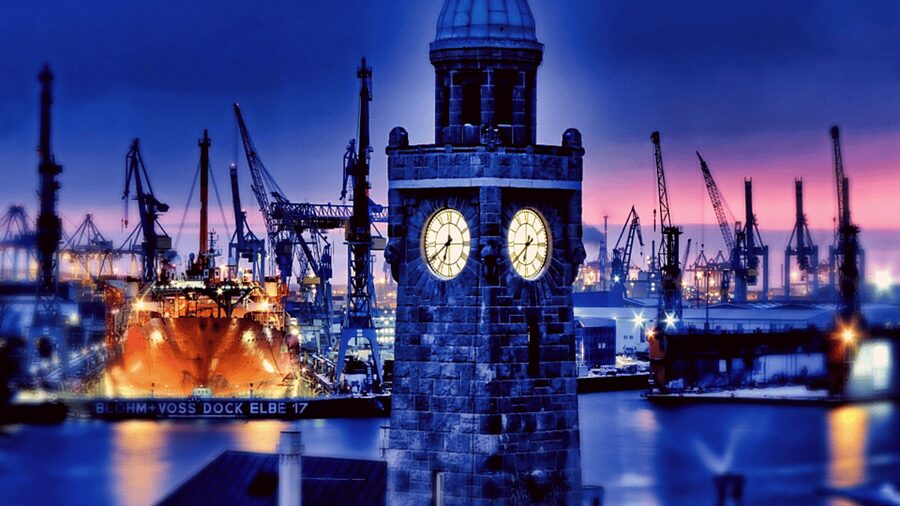
The walk shifts toward Deichstraße and then into the Speicherstadt, the famous UNESCO area. This is one of Hamburg’s most “photographable and understandable” zones because it’s built around a clear purpose: storage and trade logistics—warehouses packed into a dense historic district.
What makes this section work for me is that the guide doesn’t treat Speicherstadt as a backdrop. You’ll get the history of the brickstone Speicherstadt in the Elbe, which helps you read the buildings as tools—how they were built, why they were placed there, and how the Elbe connected the city to global shipping.
Expect to see the character of brickwork, canals, and the narrow, atmospheric corridors that make Speicherstadt feel like its own world. You’ll likely find yourself slowing down for details, because once someone explains the function, the architecture feels less decorative and more impressive.
Potential consideration: this part can get crowded depending on the time of day. The tour is paced for learning, but if you hate crowds, you may want to avoid peak hours and plan for a steady walking pace.
HafenCity and the Elbphilharmonie view: old port meets new design
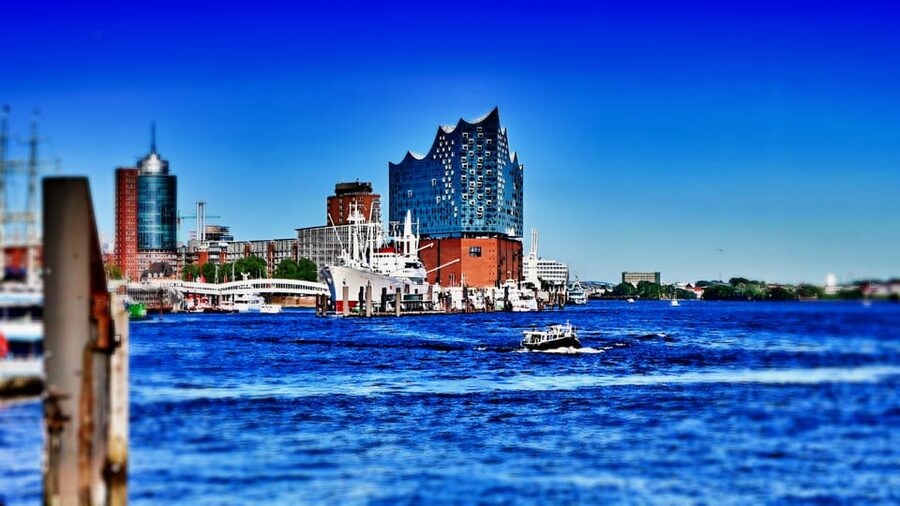
From Speicherstadt you continue toward HafenCity and end near the Elbphilharmonie area. This is where Hamburg’s story jumps from preservation and trade history into modern urban renewal—without losing the maritime thread.
You’ll get information that connects the old and new port areas. There’s even a mention of seafaring history that links culture (including Hans Albers) with the port’s evolution. That mix is fun: you’re learning not only how ships and warehouses changed, but how the city’s identity changed with them.
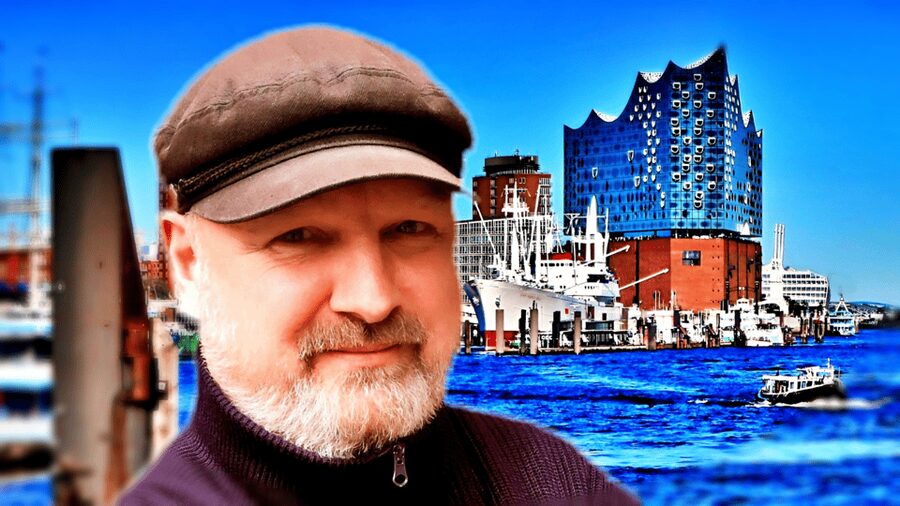
Then comes the payoff: a wonderful view to the new Elbphilharmonic Orchestra House. Even though a visit inside the Elbphilharmonie isn’t included, you’ll still leave with the sense of what makes the building such a magnet for visitors—and why locals talk about it as a symbol.
After the tour, you can visit the Elbphilharmonie Plaza. Tickets for the plaza are listed as free of charge at the entrance (and entrance costs may apply for larger groups). Translation: plan a quick stroll after the walk if the weather is decent, and consider it your chance to turn photos into a short, personal moment.
Price and timing: is $18 for two hours a fair deal?

At $18 per person for a 2-hour guided walk, the value is mainly in what you avoid: hours of guessing, route-planning, and reading your way through the city from scratch. You’re paying for a guided sequence that connects major places in a tight loop: Alster → Town Hall area → historic civic sites → St. Nikolai → Deichstraße → Speicherstadt → HafenCity → Elbphilharmonie view.
You also get the kind of storytelling that makes history stick. The guided focus on the 1842 fire, 1962 flood, wartime destruction, and seafaring culture turns landmarks into “reasonably understandable chapters.”
Language is the one real limiter. The guide is German, and the tour is designed around live explanations. If you read German well or can follow a conversation, you’ll get a lot. If you don’t, you can still enjoy the architecture and the general flow, but you’ll depend more on what you can pick up visually.
Group pace matters too. Some tours run strictly like a clock; others breathe. This one is scheduled for two hours, and in practice the guide’s narration style tends to keep the walk engaging.
What the itinerary feels like, step by step
Here’s how the stops tend to land when you’re actually walking them:
- Alster: establishes the water-first identity of Hamburg and sets the visual anchor for the rest of the route.
- Townhall: shifts from scenery to civic structure—how a merchant city governed itself.
- Chamber of Commerce and Patriotic Society of 1765: explains how influence and trade networks worked in the real world.
- Trostbrücke and Laeiszhof: adds character with street-level details, including the rooftop poodle story.
- St. Nikolai Memorial: grounds the tour emotionally with visible history tied to wartime destruction.
- Deichstraße: helps you transition toward the harbor logic of the city.
- Speicherstadt: gives you a clear mental model of brick storage architecture and its role on the Elbe.
- HafenCity: shows the modern “next chapter” of the port district.
- Elbphilharmonie view: wraps the tour with a contemporary landmark so you don’t leave only with the past.
That progression is what makes the tour feel efficient. You’re not bouncing randomly. You’re moving through a narrative that matches Hamburg’s layout.
Who should book this tour (and who might not)
You should book if you want a first serious look at Hamburg and you like history told through place. This tour fits well for:
- first-time visitors who want a compact overview with standout stops
- people who enjoy walking routes that explain both old and new Hamburg
- architecture fans who like function-based context, not just style descriptions
You might rethink if:
- you need an English-language guide (the tour is listed as German)
- you expect to go inside the Elbphilharmonie during the tour (entry isn’t included)
- you prefer long, slow museum time over street-level storytelling
Should you book Die Kiez-Kapitän Hamburger Stadtführung & Speicherstadt Tour?
My take: if you’re spending limited time in Hamburg, this is a strong “get oriented and leave with real context” option. The route covers the Alster, central civic landmarks, the UNESCO Speicherstadt, and culminates with a view of the Elbphilharmonie area. For $18 and two hours, that’s a lot of meaningful geography.
Book it if you want stories that connect disasters and rebuilding (1842 fire, 1962 flood, wartime destruction) with the streets you walk. Skip it or plan around it if German isn’t your strength or if you specifically want indoor access to the Elbphilharmonie.
FAQ
How long is the Die Kiez-Kapitän Hamburger Stadtführung & Speicherstadt Tour?
The tour lasts 2 hours.
What is the meeting point for the tour?
The meeting point is Jungfernstieg 58, 20354 Hamburg, directly at the water at the Alster ships pier (Anleger Nr. 1).
What language is the live guide?
The live tour guide speaks German.
Is the Elbphilharmonie visit included?
No, a visit to the Elbphilharmonie is not included in the city tour. You can visit the Elbphilharmonie Plaza after the tour.
How much does the tour cost?
The price is listed as $18 per person.
What’s included in the tour?
It includes the discovery walk with the neighborhood captain between the Alster and Speicherstadt, with guided focus on history, architecture, culture, and enjoyment.
Is there a cancellation option?
Yes. Free cancellation is offered up to 24 hours in advance for a full refund.
Is the tour wheelchair accessible?
Yes, the tour is wheelchair accessible.
Where does the tour finish?
The tour finishes at Am Sandtorkai 68.
Hamburg Old Town, On Foot






More of Speicherstadt & HafenCity
More St. Pauli Kieztours



Just In: The Newest Hamburg Reviews










St. Pauli Kieztours, compared.
 ★ 4.7Insider Tour of the Reeperbahn & St. PauliFrom $295,057 reviews
 ★ 4.7Night Watchman’s Tour of St. Pauli in GermanFrom $234,818 reviews
 ★ 4.7In the Footsteps of “Olivia” Reeperbahn TourFrom $5003,947 reviews
 ★ 4.7St. Pauli Highlights Guided Tour with Beer for 18+From $292,353 reviews
 ★ 4.8Olivia Jones Tour with Iconic Barker FabianFrom $421,395 reviews
 ★ 4.7Reeperbahn Quickie, The Short & Sexy St. Pauli TourFrom $23915 reviews
 ★ 4.8St. Pauli Nightlife Tour with Drag Queen in GermanFrom $41733 reviews
 ★ 4.7St. Pauli Tour of the ReeperbahnFrom $16644 reviews
Browse the lists this tour appears in