
Reviewed · HAMBURG OLD TOWN WALKS
Hamburg: Private Tour Down Town around City Hall
Hamburg hides its history underground. In just two hours, you get a guided run through the Hanseatic core, with photo-worthy stops like Chilehaus and key landmarks such as St. Nicholas’ Church. I also like how the guide connects big city events to specific places, from the Great Fire to the way Hamburg grew into a modern commercial city.
A standout is the guide energy. I’ve seen this tour led by guides like Birgit and Jörn Löding, and the common thread is humor plus solid facts that actually stick.
One consideration: the timing is tight. You’ll move through several major sights, so each stop is brief, which is great for getting the story fast but not ideal if you want long lingering or lots of free time.
In This Review
- Key things you’ll care about on this tour
- How a private downtown route makes Hamburg’s center click
- Mönckebergstraße and St. James’ Church: the walk sets the tone
- Kontorhausviertel: when office-city design turns into a story
- Chilehaus: a photo stop with real architectural weight
- Sprinkenhof, Reichenstraßen, and the Africa House: global Hamburg, not just local history
- St. Peter’s, Trostbrücke, and the Rathaus zone: where stories become landmarks
- The big Hamburg facts you’ll walk away with
- Logistics that matter for a smooth 2-hour walk
- Price and value for a private group up to 15
- Who this tour suits best
- Should you book the Hamburg private downtown tour?
- FAQ
- FAQ
- How long is the Hamburg private downtown tour?
- What does the tour cost, and how big is the group?
- Where does the tour start?
- Is this a private tour?
- What languages are available for the live guide?
- What major places are included on the route?
- Is there any outdoor walking involved?
- Is free cancellation available?
- Can I reserve without paying right away?
Key things you’ll care about on this tour
- A 2-hour hit of Hanseatic Hamburg with major landmarks grouped efficiently in the center
- Architecture as a history lesson, especially at Chilehaus and the Kontorhausviertel office-quarter feel
- Hidden-tech stories like the pneumatic post and the underground bunker system with 700+ bunkers
- Churches, bridges, and trading-city symbolism in one logical walk through the old center
- Shopping-street momentum on Mönckebergstraße, including what locals call it (Mö)
How a private downtown route makes Hamburg’s center click
Hamburg can feel like two cities at once: the grand civic and commercial parts you see from far away, and the older street grid and trading history you only start to understand after someone points out the patterns. This private downtown tour is built for that exact moment when the map starts to make sense.
Because it’s private (up to 15 in your group), you’re not stuck listening to a one-size-fits-all script. You can ask quick questions, and the guide can steer you toward the spots that match what you’re into—big architecture, specific historical events, or simply getting the best photos without wandering in circles.
You also get a practical format: enough stops to feel like you covered the important layers of downtown, but short guided segments so you still have time to look up at details and soak in the atmosphere.
See more of the old town between the Rathaus and the water


Mönckebergstraße and St. James’ Church: the walk sets the tone
You start in the downtown circulation zone near the StadtRAD area, then head toward Mönckebergstraße, Hamburg’s famous shopping street. This is where you learn something useful beyond shopping: it’s not just a long pedestrian stretch, it’s tied to how the city reorganized itself over time. The guide also tells you the local nickname, Mö, which is the kind of small detail that makes a place feel lived-in instead of generic.
Next comes St. James’ Church (St. James’ Church, Hamburg). Churches here aren’t just for architecture fans. They’re also anchors for understanding how a trading city organized life around community institutions. You’ll get quick guided context and enough time to notice the church as a fixed reference point while the rest of downtown keeps changing.
The benefit for you: this opening sequence quickly blends modern downtown movement with the older civic rhythm, so you don’t feel lost when you later hear stories about fires, rebuilding, and growth.
Kontorhausviertel: when office-city design turns into a story
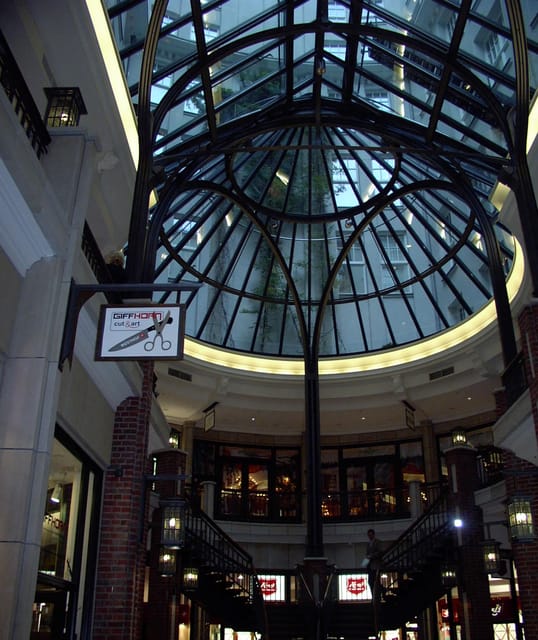
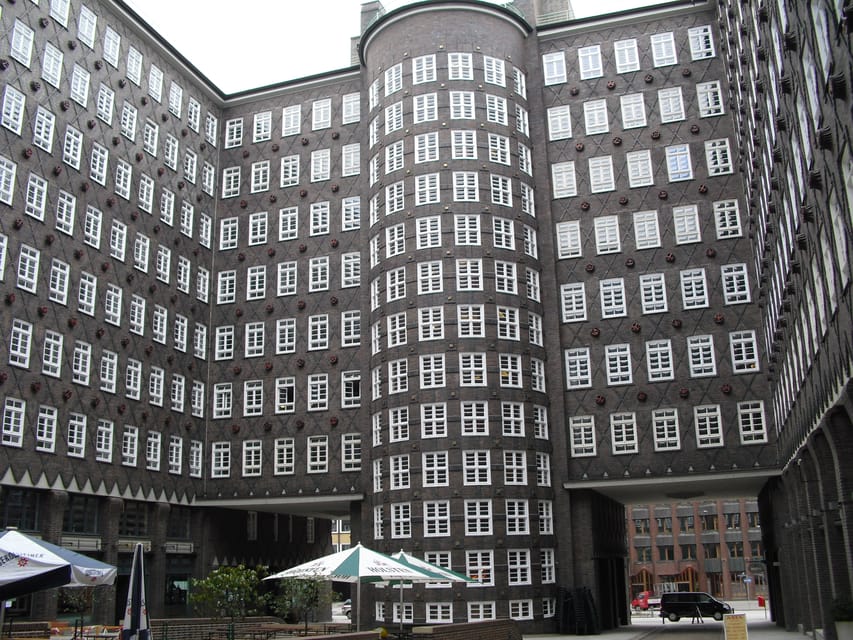
The tour then heads into the Kontorhausviertel area—an office quarter feel that’s central to Hamburg’s identity. This is where the city’s trading economy becomes visible in brick, streets, and scale.
Why this stop matters: when you learn the background behind Hamburg’s commercial transformation, the buildings stop looking random. You start seeing them as part of the city’s rapid shift—from older narrow street layouts and half-timbered housing patterns to a more modern commercial city within a relatively short period. That’s not just trivia. It explains why downtown feels structured the way it does today.
If you’re the type who likes to look up and read what architecture is saying, this is a good stretch of the walk.
Chilehaus: a photo stop with real architectural weight
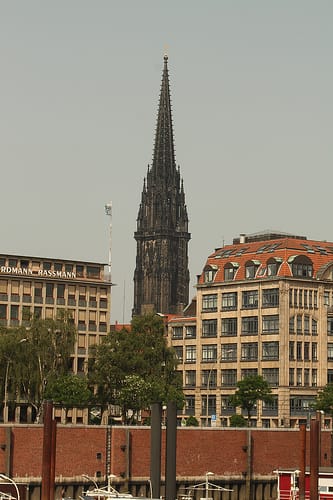
Then you hit one of the most memorable sights on the route: Chilehaus. This is the kind of building that looks imposing even if you only glance at it from across the street. On a guided tour, though, you learn what to look for—how its presence connects to Hamburg’s business-era confidence and the city’s drive to build big and build fast.
The value here is timing. Chilehaus is the sort of landmark where it’s easy to take a quick photo and move on. With a guide, you pause long enough to understand why it’s famous and how it fits the larger downtown picture you’re building step by step.
If you’re someone who cares about design, this stop will probably be one of the reasons you feel glad you booked the private format.
Sprinkenhof, Reichenstraßen, and the Africa House: global Hamburg, not just local history
As you move through the center you’ll also see places like Sprinkenhof and Reichenstraßen. These aren’t throwaway stops. They help connect the grand landmarks to the day-to-day geography of the city—where commerce happens and how the downtown flows.
Then the tour takes a turn toward wanderlust with a stop at Africa House. The point isn’t just that it sounds intriguing. It’s that Hamburg’s history isn’t only about ships and local trade—it also reflects the wider connections that shaped European port cities.
For many visitors, this is where the tour becomes more than architecture and dates. You start to understand that Hamburg’s downtown identity was built through connections, travel, and international reach, and that those themes appear in unexpected places.
See the whole city in one easy go




St. Peter’s, Trostbrücke, and the Rathaus zone: where stories become landmarks
A key religious stop follows: St. Peter’s Church (St. Peter’s Church, Hamburg). Like St. James’, it works as a downtown anchor. You get guided context while also getting a chance to step back and see how these churches create a stable structure inside a changing city landscape.
After that, you visit Trostbrücke. It’s a short stop, but it’s the kind of location you’ll appreciate if you like “small-but-meaningful” city moments—places where the center’s story feels physical, not theoretical. Even with limited time, a guided visit helps you avoid the trap of treating such stops as scenery only.
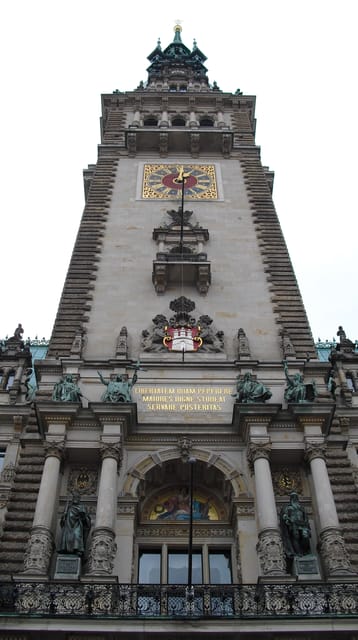
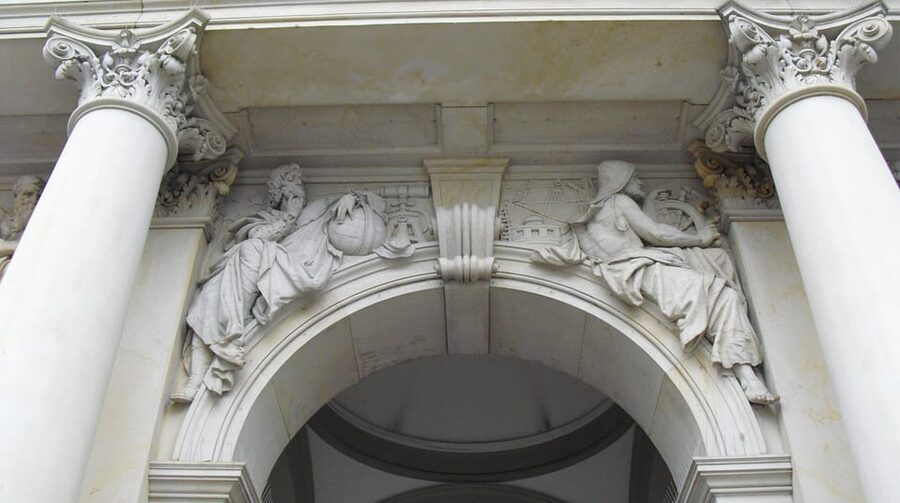
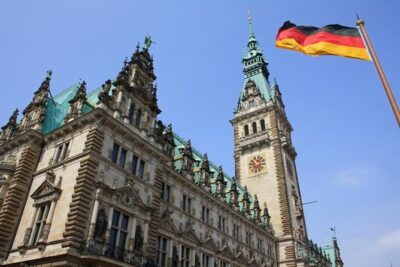
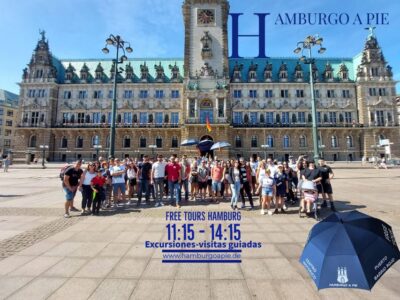
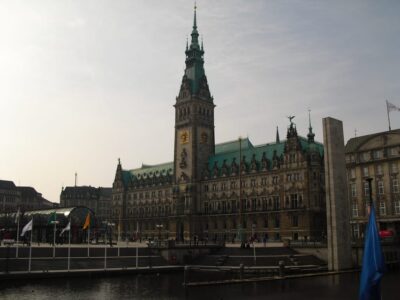
Then you reach the civic core: the Hamburg Chamber of Commerce area and finally Hamburg Rathaus (City Hall). This is where you see the face of the city’s power. It’s also where all the earlier context—Hanseatic trading, major fires, rapid urban shifts—connects to something you can actually photograph and point at.
The big Hamburg facts you’ll walk away with
This tour earns its keep by mixing sightseeing with concrete, memorable historical storylines. Here are the headline topics you’ll hear, and why they’re worth paying attention to:
You’ll learn about the first harbor basin of the Hanseatic city, inaugurated in 1189. That date matters because it shows how long Hamburg’s maritime role runs before you even reach the modern harbor.
You’ll get the story of Hamburg’s largest German underground bunker system, with more than 700 bunkers. Even if you’re not going to a bunker museum, the scale of it changes how you imagine the city under pressure during the 20th century.
You’ll also hear about a piece of technology that feels almost sci-fi: Hamburg’s first pneumatic post, put into operation on 24 October 1864. That’s one of those facts that makes you see the city as inventive and network-minded, not just historic and picturesque.
And then comes the major turning point: the Great Fire of 1842, which raged for four days and destroyed large parts of the old town. The guide ties it to how Hamburg changed its look—from narrow street and half-timbered patterns toward a more modern commercial city within a short time. This is one of the best reasons to do a guided version instead of free-walking, because the city’s layout starts to make sense once you understand why rebuilding happened the way it did.
Logistics that matter for a smooth 2-hour walk
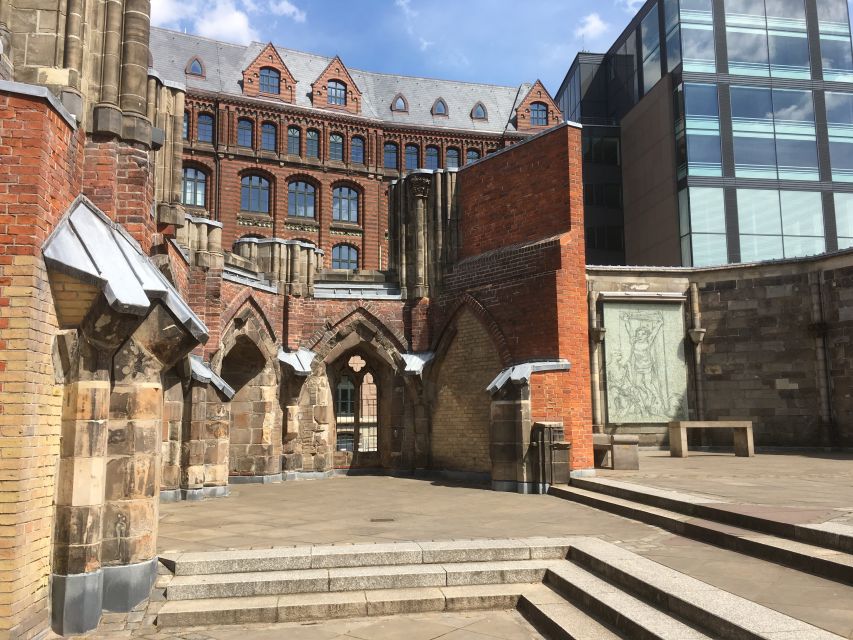
Two hours sounds short because it is. The tour is designed so you get a guided experience of multiple sites without dragging. That’s great if you’re on a tight schedule, but you’ll want to plan your expectations.
Comfort tip: wear shoes that handle city walking and occasional stops. Churches and landmark exteriors are mostly outside-and-nearby viewing, so you’ll benefit from being ready to walk between photo angles.
Photo tip: aim to take your wide shots at the major landmarks (Chilehaus, churches, Rathaus zone) and then do a second pass on details. The guided context helps you know what detail is worth photographing.
Language note: the tour is offered with a live English, Spanish, French, or German guide, depending on selection. If you’re choosing between languages, pick what lets you follow the story closely—you’ll get more value from the history that way.
Price and value for a private group up to 15
The price listed for this experience is $294 per group for up to 15 people, with a 2-hour duration. Here’s how I think about value with this kind of private tour:
If you’re traveling with friends, this can be a strong deal because the cost is for the group, not per person. And since the tour focuses on multiple major downtown landmarks plus specific history themes (Great Fire, bunker system, pneumatic post), you’re not just paying for movement—you’re paying for guided interpretation that would take you much longer to assemble on your own.
If you’re solo or two people, it’s less of a bargain, but it still can be worth it if you care about getting the facts right and want someone to connect the dots across churches, office-quarter feel, and civic sites without you researching for hours.
The average rating is 4.7 from 33 reviews, which is a good sign that the format lands well for people who want a structured overview.
Who this tour suits best
This tour is a great match if you:
- like historic city centers and want a fast, guided grasp of how Hamburg evolved
- enjoy architecture as a story device (especially at Chilehaus and the office-quarter area)
- want a mix of civic, religious, and global-connection stops instead of only one type of sight
It may feel less ideal if you:
- prefer very slow travel with lots of free time at fewer stops
- aren’t interested in historical events and prefer only general sightseeing
Should you book the Hamburg private downtown tour?
I’d book it if your goal is to understand Hamburg’s downtown quickly and correctly. The combination of landmark sights (churches, Chilehaus, Rathaus), city identity themes (Hanseatic roots, rebuilding after the 1842 fire), and standout stories (700+ bunker system and the pneumatic post from 1864) makes this more than a basic photo walk.
If you’re the type who likes to leave a city feeling like the streets explain themselves, this tour does that job in two hours.
FAQ
FAQ
How long is the Hamburg private downtown tour?
It runs for 2 hours.
What does the tour cost, and how big is the group?
The price is $294 per group, for groups of up to 15 people.
Where does the tour start?
The meeting point may vary depending on the option booked, with StadtRAD listed as one of the starting-location options.
Is this a private tour?
Yes. It’s a private group tour.
What languages are available for the live guide?
The live guide is available in English, Spanish, French, and German.
What major places are included on the route?
The route includes stops around Mönckebergstraße, St. James’ Church, Kontorhausviertel, Chilehaus, Africa House, St. Nicholas’ Church, Trostbrücke, Chamber of Commerce, and Hamburg Rathaus, with the central area around Hamburg Central Station as part of the route.
Is there any outdoor walking involved?
It’s a downtown walking-style city tour that includes multiple landmark stops throughout the city center.
Is free cancellation available?
Yes, you can cancel up to 24 hours in advance for a full refund.
Can I reserve without paying right away?
Yes, you can reserve now & pay later.
More Tours in Hamburg



More Tour Reviews in Hamburg
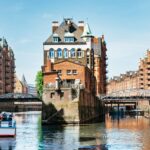

Hamburg Old Town, On Foot


Just In: The Newest Hamburg Reviews








Hamburg Old Town Walks, compared.
 ★ 5.0The Local Tour of Hamburg Historic CentreFrom $31,058 reviews
 ★ 4.5Downtown, Alster & Creative Neighborhoods by BikeFrom $43217 reviews
 ★ 5.0Sightseeing Tour – Free Tour – Historic Center-Hamburg On FootFrom $3112 reviews
 ★ 4.8German Hamburg Historic City Center Pay-What-You-Want TourFrom $380 reviews
 ★ 4.8Die Kiez-Kapitän Hamburger Stadtführung & Speicherstadt TourFrom $1837 reviews
 ★ 4.8Free tour: Centro Histórico. Tú decides el precio al finalFrom $232 reviews
 ★ 4.8Private – Town Hall, Speicherstadt, ElbphilharmonieFrom $29427 reviews
 ★ 4.9Hamburg Old Town on foot – the guided tour with heartFrom $3327 reviews
Browse the lists this tour appears in