
Reviewed · HAMBURG BY BIKE & E-BIKE
Guided Hamburg City Bike Tour
Hamburg looks different from the saddle. In just 3.5 hours, this guided city bike tour strings together the Alster Lakes promenade, the old warehouse waterfront, and the modern harbor icons without turning your day into a hopscotch of tickets and transit. You’ll roll out with a helmet and an escort, then come back to the start with a solid feel for the city’s layout.
I especially liked how the route hits big photo-worthy landmarks fast—St. Michael’s Church and the Elbphilharmonie show up as real anchors—while still giving you enough time to learn what you’re seeing from the guide. Many guides add personal storytelling; I’ve heard favorites like Phil, Ilka, Emily, Gerritt, and Victor keep the mood upbeat while explaining how neighborhoods evolved.
One thing to consider: the ride can feel fast-paced, and if you want long photo breaks or you’re not a confident rider, you may feel rushed (and once you’re rolling, the group can’t stop for extended wandering). Also, a few people noted they had trouble hearing the guide at times when traffic and the group moved ahead.
In This Review
- Key Things to Know Before You Pedal Off
- Why This Hamburg Bike Tour Works for First-Timers
- Getting Oriented at Gebrüder-Wolf-Platz and the Bike Setup
- Stop-by-Stop: St. Michael’s Church and the Jungfernstieg/Alster Front
- Heiligengeistfeld: WWII Reminders and St. Pauli Football Energy
- HafenCity and the Modern Harbor View You’ll Remember
- Elbphilharmonie and St. Michael’s Area: Two Icons, Two Moods
- Pace, Group Size, and When the Tour Feels Tight
- Price and Value: Is $47.16 a Smart Use of Time?
- Weather Plan: What Happens If It Rains
- Who Should Book This Hamburg Bike Tour?
- Should You Book This Guided Hamburg City Bike Tour?
- FAQ
- How long is the Hamburg city bike tour?
- Where does the tour start?
- Does the tour return to the start?
- What’s included in the price?
- Is the tour available in English?
- What are the other language times?
- What happens in heavy rain?
- Is there a cancellation option if plans change?
- How big is the group?
- Is a ticket needed for the stops?
Key Things to Know Before You Pedal Off
- 3.5 hours, 16-person max: long enough to stitch together multiple districts, small enough to feel like a group (most of the time).
- Alster Lakes + Jungfernstieg promenade: classic Hamburg waterfront views without spending the day commuting between areas.
- St. Pauli and Heiligengeistfeld stops: WWII-era remnants and matchday energy in the same pocket of city.
- Speicherstadt to HafenCity contrast: old brick warehouses and new skyline architecture side-by-side on the ride.
- Elbphilharmonie and St. Michael’s Church quick hits: short stops, no ticket hassle for these viewpoints.
- Weather plan built in: heavy rain can switch you to a walking version so the day doesn’t stall.
Why This Hamburg Bike Tour Works for First-Timers
If you’re new to Hamburg, the hardest part is figuring out what’s where. This tour is built for that moment. You get a guided route that connects key areas across the city center, including the waterfront vibe, the historic port edges, and the modern showpiece buildings. It’s not just sight-seeing; it’s getting your internal map straight.
I also like that the big landmarks aren’t isolated. You see them as part of a larger city story: waterways shape movement, neighborhoods have distinct identities, and modern Hamburg grew directly out of the port’s industrial past. The pace helps too—you’re not stuck waiting in lines all afternoon.
Roll out on two wheels for more of Hamburg


Getting Oriented at Gebrüder-Wolf-Platz and the Bike Setup
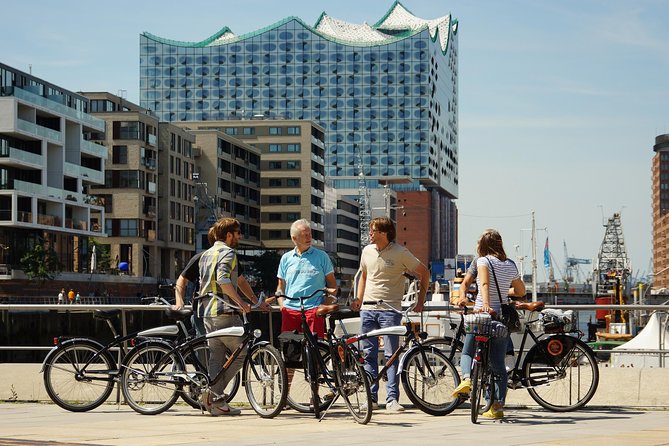
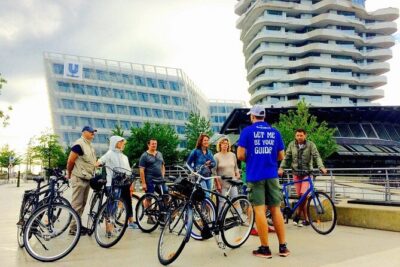
The tour starts and ends at Gebrüder-Wolf-Platz, right by Hamburg City Cycles. Plan to arrive about 10 minutes early so you’re ready for check-in and bike setup. This matters more than you think: once the group rolls, you’ll be moving between areas with traffic lights and harbor-adjacent routes, and those first minutes set the tone.
You’ll be issued a bicycle and helmet. Many riders describe the experience as pedal-assist/e-bike-friendly, which helps if you’re not used to cycling for 3+ hours. Either way, you’re in an upright riding position, which tends to make sightseeing less strain-y and keeps your attention on the buildings and waterfront instead of on your legs.
Stop-by-Stop: St. Michael’s Church and the Jungfernstieg/Alster Front
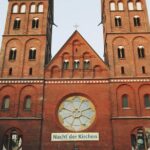
Your first landmark stop is St. Michael’s Church, a traditional Hamburg landmark. The stop is short, so think of it as a “stand here, look up, and get the context” moment—not a long visit. The good news: it’s free of ticket cost for this stop, so you don’t lose time juggling entry fees.
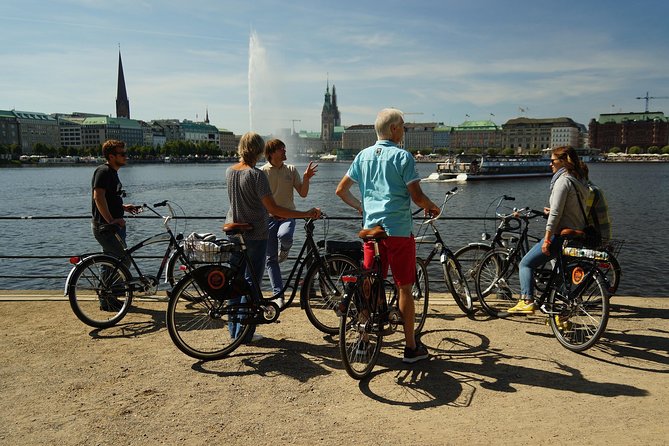
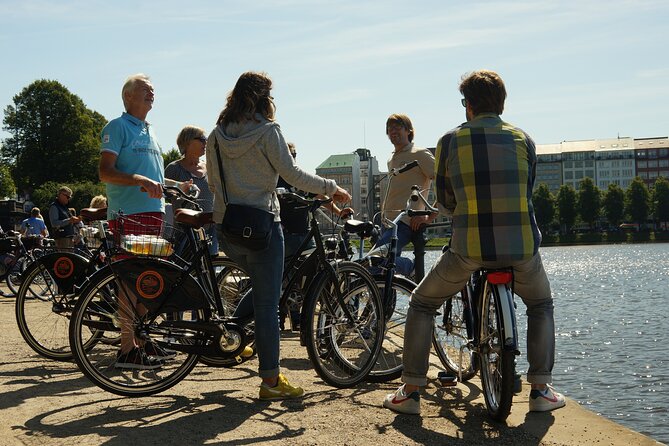
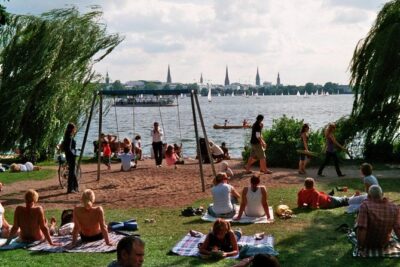
From there, the tour moves toward the Jungfernstieg promenade and the Alster Lakes area. This is the classic Hamburg postcard zone for a reason. You’ll see the promenade energy, the water views, and the way locals use the lakefront as a daily reference point. It’s a helpful contrast after the church stop: one is an old-city anchor, and the other is where modern city life often flows.
A drawback, though: because the stops are timed, you can’t plan on lingering for long photos at every view. If you love slow, deliberate picture-taking, I’d bring a quick shot mindset.
Heiligengeistfeld: WWII Reminders and St. Pauli Football Energy
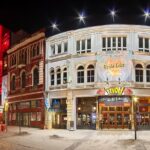
Next up is Heiligengeistfeld, including a stop tied to a WWII bunker and the nearby St. Pauli soccer stadium area. This part of the city works well on a bike because you’re moving through layers: wartime scars in one corner, pop-culture and matchday buzz in another. It’s not just architecture—it’s how history and identity overlap in the same neighborhoods.
Heiligengeistfeld also helps you understand why Hamburg feels different from other German cities. The vibe around St. Pauli is more restless and expressive, and you’ll feel that even if you don’t catch a game. The guide usually connects the dots between old port life, post-war changes, and the neighborhood’s modern personality.
The tradeoff is time: you’re there only briefly. Still, that’s kind of the point of a 3.5-hour orientation tour. You’re meant to leave with direction, not to memorize every detail on the spot.
HafenCity and the Modern Harbor View You’ll Remember
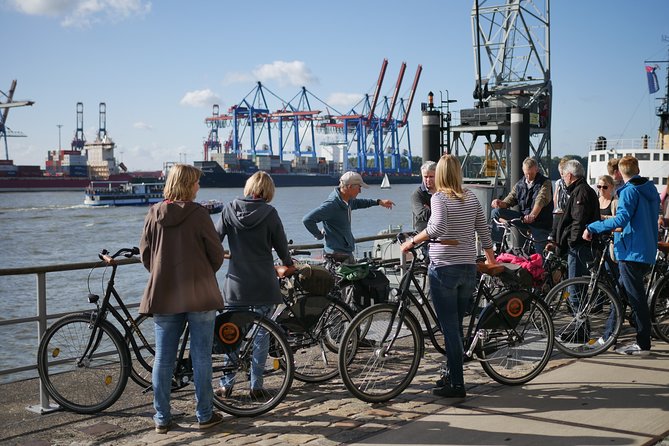
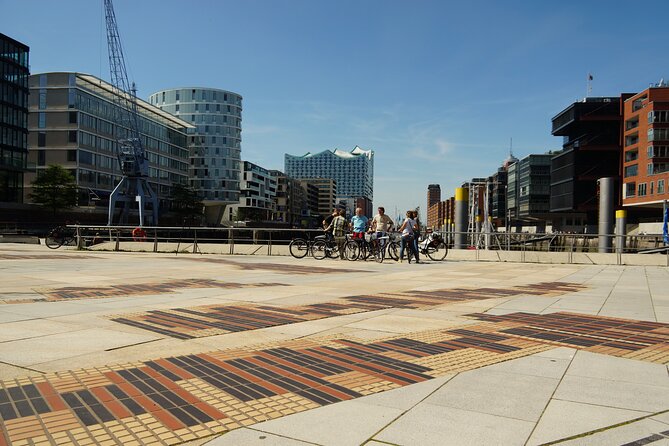
The tour then brings you to HafenCity, a modern city quarter built on Hamburg’s harbor evolution. The stop here is around 10 minutes, which gives you a little more breathing room than the earlier quick-hit viewpoints. This is where you’ll start noticing design choices that signal what Hamburg wanted to become: lighter, newer, and more public-facing around the water.
What I like about a HafenCity stop on a bike tour is that it teaches scale. On foot, it can feel like a single district you walk through. By bike, the distance between clusters becomes obvious, and you start understanding how the city plans movement along the water.
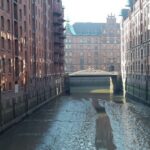
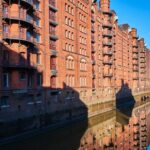
If you’re a visual learner, this is where it clicks. You’ll see how HafenCity contrasts with the older port fabric you likely catch on the ride—often including the Speicherstadt warehouse district along the route. That old-vs-new contrast is one of the most useful takeaways because it helps you know what to seek out later with a standalone visit.
Let a Hamburg local lead the way




Elbphilharmonie and St. Michael’s Area: Two Icons, Two Moods
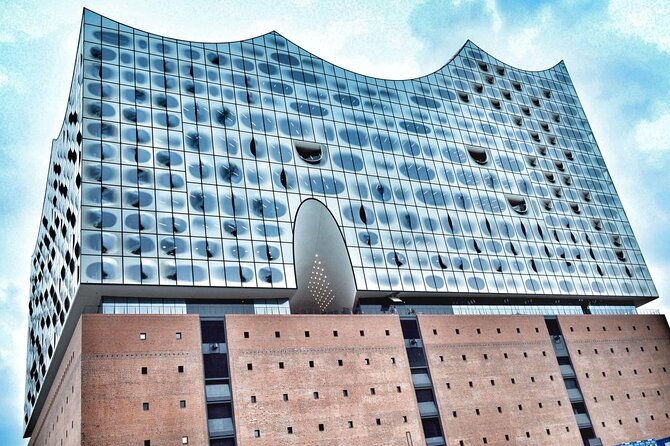
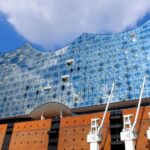
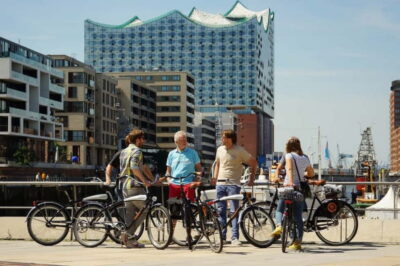
You’ll finish with another major photo-and-context stop at the Elbphilharmonie, described as a newer landmark and given about 5 minutes. Expect quick positioning for views rather than an in-depth program. That said, the Elbphilharmonie is one of those buildings you’ll understand more after you’ve also seen the surrounding harbor logic—why it’s here, what it replaced, and how the waterfront identity shifted.
The route also ties in views of other major city center anchors, including Rathaus (Hamburg’s town hall area), which helps you connect the “big civic buildings” dots. It’s a strong combo for your first afternoon because you leave recognizing the city’s key silhouettes, not just having walked through named streets.
If you’re hoping for deep architectural lectures, this isn’t that. But if you want your bearings and some smart context fast, it delivers.
Pace, Group Size, and When the Tour Feels Tight
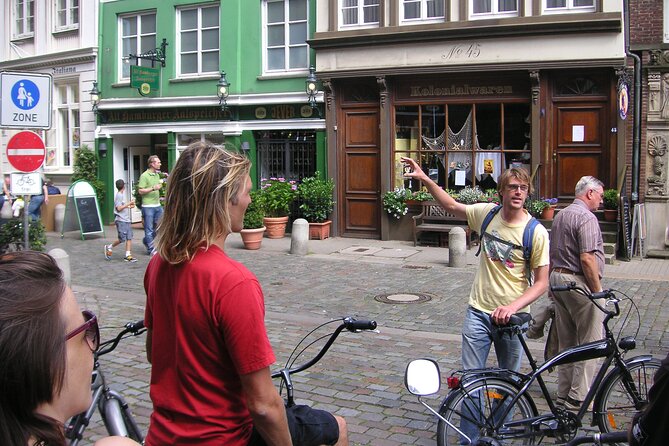
Most people love the way the route keeps moving. One common caution: it can be fast-paced, especially if you’re not used to riding in traffic or cycling regularly. A few riders reported missing photos because the group kept rolling and bike pace stayed lively.
Group size is set with a maximum of 16 travelers, which is a solid number. Still, a few experiences mention the real-world factor of keeping everyone together at lights—if people are slower starting up or if someone arrives late, waiting can happen. If you care most about photos, I’d aim to arrive early and be ready to match the group rhythm.
Also note: a couple of people said hearing the guide was hit-or-miss when the group spread out. That’s not unusual on city streets. If you want to catch every word, stay toward the front of your bike cluster, and keep your helmet strap and phone audio settings in check.
Price and Value: Is $47.16 a Smart Use of Time?
At $47.16 per person for about 3 hours 30 minutes, you’re paying for more than motion. You’re paying for (1) a guide, (2) the bike and helmet, and (3) a tight route that connects multiple neighborhoods without you figuring out logistics.
Here’s the value math I’d use: if you’re visiting for a short time, an orientation bike tour often saves you time later. You’ll know where to return for Speicherstadt wandering, where to go for Alster promenade time, and which harbor views you actually care about. That can easily outweigh the cost if you otherwise would spend your first day getting lost or piecing together transit.
Another practical value point: the tour is offered in English (afternoons) and German (mornings daily, plus Fridays and Saturdays afternoons). If you’re language-limited, you get to learn in your language instead of guessing what you’re looking at from plaques.
Finally, it’s popular—booked about 21 days in advance on average—so if your schedule is tight, lock it in earlier rather than later.
Weather Plan: What Happens If It Rains
This tour runs in all weather, but with a plan. If there’s heavy rainfall, the operator will switch to a walking tour version. I like that approach because it signals they’re protecting the experience rather than canceling the minute skies turn gray.
For your packing, a light rain jacket is smart. One rider even pointed out that pollen can be strong after rain in areas near green spaces. So if you have allergies or asthma, bring your usual meds and plan for a few outdoor hours.
Also, because you’ll be outside while moving between districts, consider waterproofing your phone or at least keeping it secured in a way that won’t get soaked at every stop.
Who Should Book This Hamburg Bike Tour?
This is a great fit if you want a fast, city-center overview and you like seeing places at street speed. It’s especially good for:
- First-time visitors who want Alster + St. Pauli + harbor districts in one go
- People who learn best with a moving route and short stops
- Travelers who want the route explained by a local guide and then decide what to revisit later
It might be less ideal if you need long photo time at every viewpoint or if you’re a brand-new rider who fears keeping up. In that case, ask yourself whether you’d rather do one district slowly on your own.
One more note: the tour allows service animals, and it’s listed as suitable for most travelers. If that applies to you, this is a straightforward option because you’re not dealing with complicated transfers—start to finish returns to the meeting point.
Should You Book This Guided Hamburg City Bike Tour?
If you’re aiming for an efficient first day, I’d book it. You get a guided route that connects major Hamburg icons—St. Michael’s Church, the Elbphilharmonie, and key harbor areas—while also showing you the city’s in-between spaces like Heiligengeistfeld and the promenade by the Alster. The bike-and-helmet package keeps it easy, and the group size stays reasonable.
If you’re extremely photo-focused or you want long, slow museum-style time, you may feel constrained by the timed stops and riding pace. But if your goal is getting your bearings fast and learning the city in motion, this tour is one of the best ways to do that.
FAQ
How long is the Hamburg city bike tour?
It runs about 3 hours 30 minutes.
Where does the tour start?
It starts at Gebrüder-Wolf-Platz, 20359 Hamburg, Germany.
Does the tour return to the start?
Yes, the activity ends back at the meeting point.
What’s included in the price?
The tour includes the tour escort/host and use of a bicycle and helmet.
Is the tour available in English?
Yes. English tours run in the afternoons at 2:30pm daily.
What are the other language times?
German tours run in the morning at 10:30am daily, and on Friday and Saturday afternoons at 2:30pm.
What happens in heavy rain?
It operates in all weather conditions. If there is heavy rainfall, a walking tour will be offered instead.
Is there a cancellation option if plans change?
Free cancellation is available. You can cancel up to 24 hours in advance for a full refund.
How big is the group?
The tour has a maximum of 16 travelers.
Is a ticket needed for the stops?
The stops listed (including St. Michael’s Church, Heiligengeistfeld, HafenCity, and Elbphilharmonie) are shown with free admission ticket requirements for the stop.
More Tours in Hamburg


More Tour Reviews in Hamburg

More of Hamburg by Bike
Just In: The Newest Hamburg Reviews





Hamburg by Bike & E-Bike, compared.
 ★ 4.8Hamburg 3-Hour Bike TourFrom $441,353 reviews
 ★ 4.5Downtown, Alster & Creative Neighborhoods by BikeFrom $43217 reviews
 ★ 4.7Guided Bike TourFrom $4471 reviews
 ★ 4.6Bike Tour of the Speicherstadt & Old HarborFrom $4061 reviews
 ★ 4.5City Tour by Bike with ElbphilharmonieFrom $3960 reviews
 ★ 5.0“Highlights of Hamburg” BiketourFrom $4758 reviews
 ★ 5.0Guided bike tour Hamburg with neat city bikes, cruisers, mountain bikesFrom $4244 reviews
 ★ 4.3Celebs, Waterfronts and Nature Cycle TourFrom $3938 reviews
Browse the lists this tour appears in