
Reviewed · SCHANZENVIERTEL & ALTERNATIVE HAMBURG
Hamburg: Private Tour – Schanzenviertel & Karolinenviertel
Hamburg’s off-the-map streets have a pulse. This private tour takes you through Schanzenviertel and Karolinenviertel, where the city’s “foreland” past meets today’s bar-and-bakery culture. You’ll walk beyond the main drags and get the story behind the buildings people usually only notice from photos or headlines.
I especially like how the tour ties together everyday neighborhoods with real, specific places—Rote Flora and the older industrial corners around the former cattle abattoir. I also like the guide-led pacing: you get time in each district plus short, focused stops that make the area feel legible fast.
One heads-up: the tour ends at Messehallen, so line up your next plan (like dinner) with that in mind.
In This Review
- Key highlights you’ll actually feel on the walk
- Why this Schanzenviertel and Karolinenviertel tour feels different
- Starting at Sternschanze: a smart launch point
- Schanzenviertel: from the Schanze defense post to today’s streets
- Karolinenviertel: the “young” district with old bones
- Rote Flora: cultural landmark, political magnet, and street-level reality
- The Bullerei detour and the old cattle abattoir: how cities reuse space
- Feldstraße bunker in Heiligengeistfeld: cold air, heavy scale
- What “2 hours” really means on this private walk
- Price and value: $294 per group (up to 15 people)
- Guides and what you’ll learn from their perspective
- Where it ends: Messehallen and planning dinner
- Who this tour is best for
- Should you book this Hamburg private tour?
- FAQ
- Meeting point
- Duration
- Is this a private tour?
- Group size limit
- What language is the live guide?
- Where does the tour start?
- Where does the tour end?
- What are the main highlights?
- What is included in the price?
- Can I get a different time?
- What’s the cancellation rule?
Key highlights you’ll actually feel on the walk
- Schanzenviertel’s Schanze story: an early defense post turned into a neighborhood locals love
- Rote Flora theatre stop: a quick, meaningful look at one of Hamburg’s most talked-about cultural sites
- Bullerei detour (Tim Mälzer’s restaurant): a foodie detour without turning the whole tour into a meal
- Heiligengeistfeld / Feldstraße bunker visit: concrete, scale, and why that setting matters
- Former cattle abattoir area: how industry helped shape the link between Karolinenviertel and Schanzenviertel
Why this Schanzenviertel and Karolinenviertel tour feels different
If your Hamburg plan is mostly canals, churches, and big viewpoints, this tour is the useful contrast. You’ll spend your time where the city’s edges used to be—before the embankments fully shaped the waterfront—and where working-class districts later became “trendy” without losing their grit. The big idea is simple: don’t judge the neighborhood only by what you see on the news. Walk it, look at the buildings, and you’ll understand what people live with every day.
I also like that it’s built around places, not vague impressions. You’re guided past independent shops, back courtyards, older factory sites, and the sort of urban details that make photos look better because you finally know what you’re photographing. And since this is a private group tour, the guide can keep the pace and focus on what your group cares about—history, street life, architecture, or why some spots feel politically charged.
More of the Schanze and Hamburg off the postcard



Starting at Sternschanze: a smart launch point
You’ll meet at Sternschanze U-Bahn station, exit Sternschanze at Sternschanzenpark. That’s a practical start because Sternschanze is already the doorway to the vibe of both districts. Instead of starting in a tourist hub and then trying to “get there,” you step into the neighborhood feeling immediately.
From the start, the guide sets expectations: you’ll leave the main roads, take detours, and pay attention to how the area changed over time. Expect lots of “look up,” because the story isn’t only at street level. It’s in facades, layouts, and what’s been repurposed.
Schanzenviertel: from the Schanze defense post to today’s streets
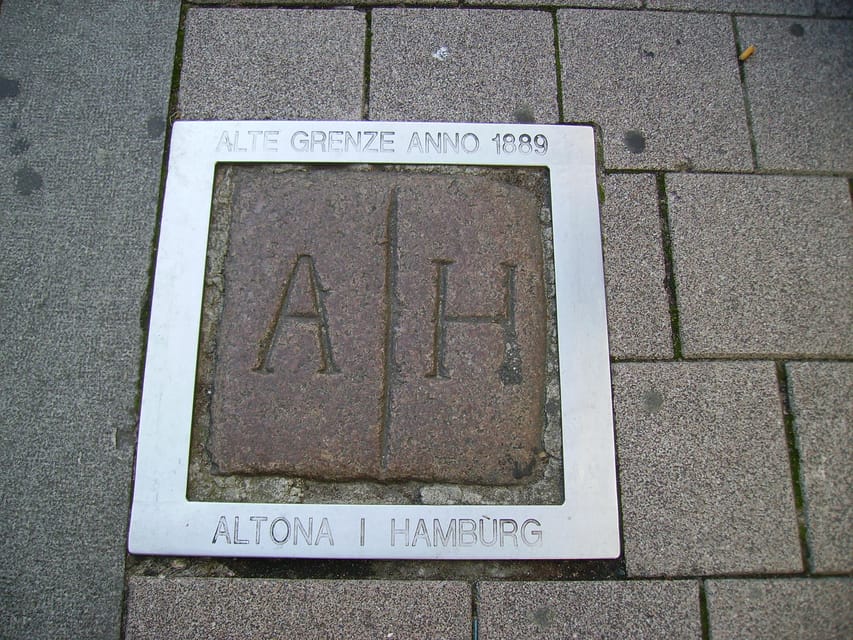
Your first real block of time is in the Schanzenviertel (about 30 minutes guided). This is where the neighborhood nickname matters. The area used to be an early defense post for Hamburg, the “Schanze,” and that origin still echoes in how the district grew around its role at the city’s edge.
Then comes the modern chapter. In recent years, Schanzenviertel has shifted from working-class roots into a popular residential area. You’ll see that change in the mix: everyday streets next to bars, independent shops beside more famous names, and homes beside cultural sites. The tour doesn’t push you toward a single type of experience; it shows how one neighborhood can hold different layers at the same time.
What you’ll enjoy most here: the guided explanations that make the street scene make sense. When you understand the defense-post past and the “foreland” setting, even ordinary blocks start to feel intentional. And because the tour is designed to move off the main streets, you’ll likely get that better-photo effect—less bus traffic, more courtyard angles, and fewer crowds.
Potential drawback to consider: if your ideal Hamburg day is mostly easy sightseeing with minimal walking, this district will feel more “involved.” It’s still a guided walk, not a marathon, but it’s a real neighborhood stroll.
Karolinenviertel: the “young” district with old bones
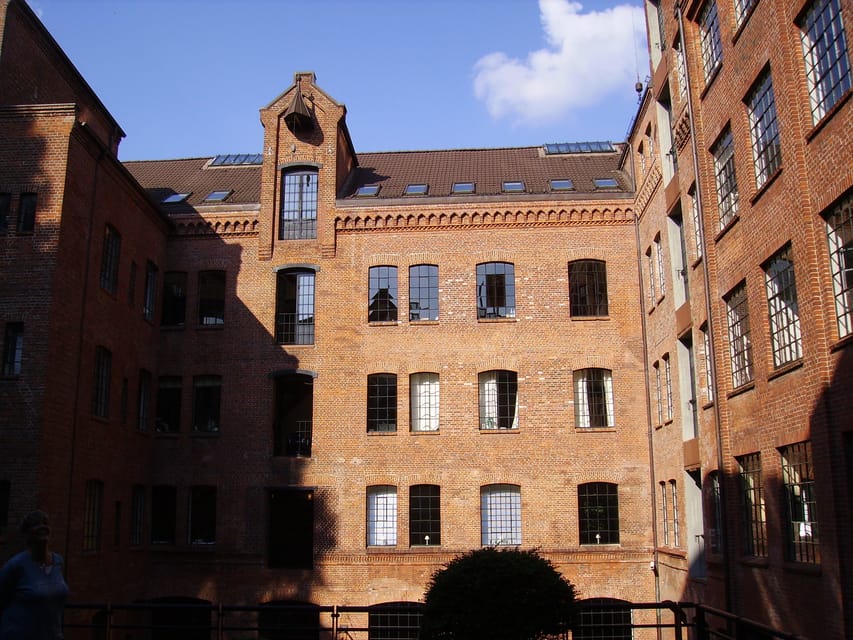
Next is Karolinenviertel (about 20 minutes guided). If Schanzenviertel is the headline act, Karolinenviertel often feels like the side story that turns out to be just as important. The tour frames it as one of Hamburg’s younger districts, but that doesn’t mean it’s lacking older fabric. You’ll catch the contrast between newer street energy and older industrial traces.
This stop is also where you’ll understand the tour’s reason for existing: it’s not only “trendy now,” it’s “trendy because it used to be something else.” The guide points out old factory sites and back courtyards—spaces you would likely miss on your own unless you already knew where to look. It’s the kind of urban history that isn’t locked behind museum glass; it’s still operating as city space.
One practical benefit for you: Karolinenviertel helps you connect the dots between districts. By the time you’re done here, the route through Schanzenviertel won’t feel random. You’ll see how the neighborhoods relate, rather than treating them like two separate places.
Rote Flora: cultural landmark, political magnet, and street-level reality
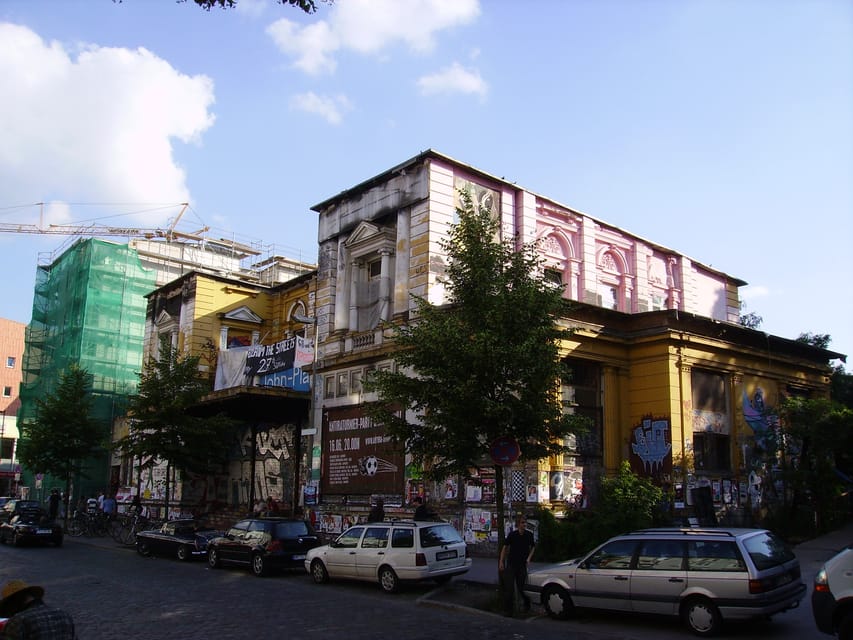
The tour includes a short guided stop at Rote Flora (about 10 minutes guided). This isn’t a “read a plaque” kind of stop. It’s a quick look at a site that carries a lot of attention, and the guide uses that attention to explain what’s really going on at street level.
Why this matters: the neighborhood has a high profile through regular demonstrations, but the tour tries to show you what gets ignored when people only see the area during flare-ups. In other words, you don’t just learn what Rote Flora represents—you also learn why the surrounding streets and buildings matter to everyday life.
This is also one of your better photo chances, simply because the location is visually strong. Plan to spend time looking, not just snapping. Even a short stop works better when you pause and let the guide connect the landmark to the wider district story.
Keep it to your own group with a private tour






The Bullerei detour and the old cattle abattoir: how cities reuse space
You get another guided segment (about 10 minutes) that fits two of the tour’s core “oh, that’s what that is” moments: a detour to the Bullerei, and a look at the former cattle abattoir that connects Karolinenviertel and Schanzenviertel.
The Bullerei is Tim Mälzer’s restaurant in Hamburg. On its own, it’s a name people recognize. On this tour, it’s used more like a signpost for change: today’s popular food culture sitting in an area shaped by older industry and city planning. You’re not there to do a full meal, but you do get the context of why a destination like that belongs in this neighborhood.
Then comes the cattle abattoir connection. This is one of the most valuable ideas on the tour for me, because it explains how cities physically connect neighborhoods. Industrial infrastructure once shaped movement, jobs, and daily routines. When that infrastructure disappears or gets repurposed, the neighborhood’s shape remains. So even if the building’s role has changed, the connection still exists under the surface.
Practical tip for you: if you want to explore on your own after the tour, this is the segment that gives you the best “mental map.” You’ll start seeing routes as historical leftovers, not just convenient streets.
Feldstraße bunker in Heiligengeistfeld: cold air, heavy scale
One of the most memorable stops is the bunker in Heiligengeistfeld, specifically the Feldstraße bunker (about 10 minutes guided). A bunker isn’t the kind of building you accidentally stumble into in most cities, and that’s exactly why this stop works. The guide helps you understand why it’s part of the neighborhood story, not just a scary-looking structure.
The tone here shifts. You’ll go from street-level commerce and art-land energy to something that feels like a different city era entirely. That contrast is useful: it makes the neighborhood history feel real. The tour isn’t only about aesthetic change; it’s about survival, planning, and what the city built when safety and strategy mattered more than convenience.
Consideration: this is still a short guided visit, so it won’t feel like a long museum-style experience. But in a 2-hour tour, the bunker is one of the best “high impact, fast comprehension” stops.
What “2 hours” really means on this private walk
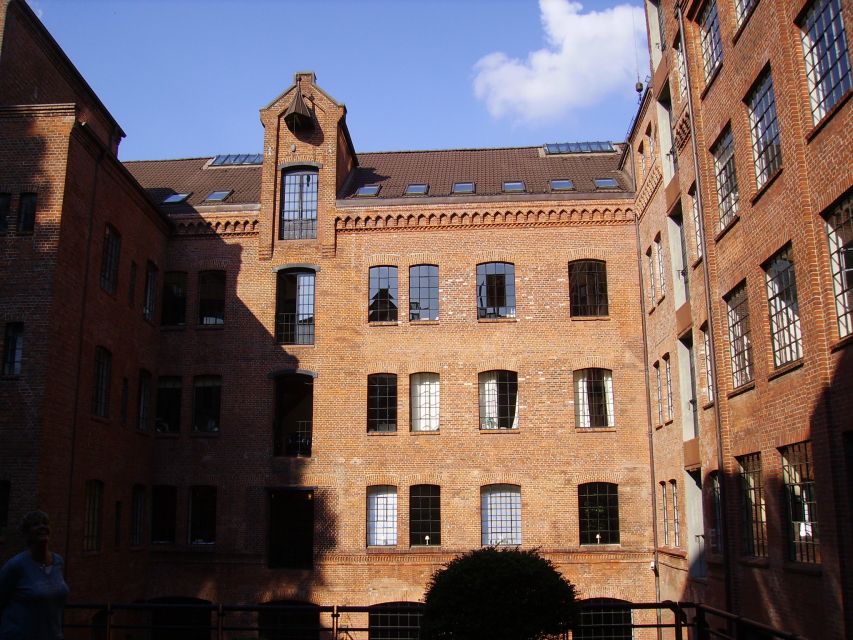
The tour runs 2 hours total and is designed as a compact neighborhood orientation. A lot of that time goes to guided explanations, plus walking time between sites. The schedule includes guided chunks like 30 minutes in Schanzenviertel, 20 minutes in Karolinenviertel, 10 minutes at Rote Flora, and 10 minutes each for the other key stops including the bunker.
Because it’s a private group tour with up to 15 people, it’s also more flexible than a fixed group bus routine. If your group has questions—why a space looks the way it does, how repurposing works, or what the neighborhood’s identity is today—you can get answers on the spot.
Price and value: $294 per group (up to 15 people)
This tour costs $294 per group for up to 15 people, with a private group setup. That price structure changes the math.
- If you go as a small group, the per-person cost drops quickly because the fee is not per individual.
- If you’re going solo or as a couple, it may feel pricey versus group tours—but you’re paying for a guide who can tailor the walk to your interests.
In plain terms: it’s strong value if you’re traveling with 3+ people and want something more personal than a standard walking tour. It’s less of a bargain if you’re only paying for one person’s attention.
Guides and what you’ll learn from their perspective
The tour is led by a live tour guide in German. One detail I really appreciate from the tour’s track record is that guides often bring local perspective and real storytelling. Past groups have credited guides like Frau Evers and also noted insights from a resident-style presenter called Basti. That kind of local voice matters because you’re not just hearing facts—you’re hearing how people interpret the neighborhood’s change and conflicts.
So if German is comfortable for you (or your group is comfortable), you’ll get more out of it. If German is not your strength, you’ll still see the sights, but the deeper context might be harder to catch.
Where it ends: Messehallen and planning dinner
The tour ends at Messehallen. That’s a big practical detail, because you don’t want to finish and then realize your dinner reservation is across town. If you’re building your day, try to schedule your next stop closer to Messehallen or plan transit.
If you’re hoping to finish near a specific inner-city landmark, build in time. The walking tour is designed around a route between the districts, not around one single central square.
Who this tour is best for
This is a great fit if you like:
- Neighborhood walking over big-ticket sights
- Street-level history and industrial repurposing
- A guide-led explanation that connects landmarks to daily life
- Photo opportunities beyond the usual tourist angles
It may be less ideal if you want a very light, low-explanation stroll, or if you don’t feel comfortable in a German-guided format. Also, if your travel style is “sit down and snack your way through,” the bunker and abattoir stops may feel more intense than you expected—though they’re still short.
Should you book this Hamburg private tour?
Book it if you want a smart, guided way to understand Schanzenviertel + Karolinenviertel as more than a trend. The value is in the specific stops: Rote Flora, the Bullerei, the former cattle abattoir connection, and the Heiligengeistfeld/Feldstraße bunker. Add a private-group pace, and you get a tour that’s built for people who like context while they walk.
Skip it if your perfect Hamburg day is only classic landmarks and you’re not looking for neighborhood history, political-cultural context, and industrial leftovers.
FAQ
Meeting point
You meet at Sternschanze U-Bahn station, exit Sternschanze at Sternschanzenpark.
Duration
The tour lasts 2 hours.
Is this a private tour?
Yes, it’s a private group tour.
Group size limit
The price is per group up to 15 people.
What language is the live guide?
The live tour guide speaks German.
Where does the tour start?
It starts in Sternschanze.
Where does the tour end?
The tour ends at Messehallen.
What are the main highlights?
You’ll explore Schanzenviertel, visit Rote Flora, make a detour to the Bullerei (Tim Mälzer’s restaurant), see the bunker in Heiligengeistfeld (Feldstraße bunker), and visit the former cattle abattoir that connects Karolinenviertel and Schanzenviertel.
What is included in the price?
A professional tour guide and the city tour are included.
Can I get a different time?
Alternative tour times are available and can be requested.
What’s the cancellation rule?
You can cancel up to 24 hours in advance for a full refund.
More Tours in Hamburg






More Tour Reviews in Hamburg


More of the Schanze & Alternative Hamburg



Just In: The Newest Hamburg Reviews









Schanzenviertel & Alternative Hamburg, compared.
 ★ 4.6Schanzenviertel Culinary TourFrom $572,051 reviews
 ★ 4.5Culinary Insider Tour of St. GeorgFrom $589272 reviews
 ★ 4.5Downtown, Alster & Creative Neighborhoods by BikeFrom $43217 reviews
 ★ 4.6Mystical Hamburg – Walking Tour in GermanFrom $29168 reviews
 ★ 4.5Schanzenviertel Food and Beer TourFrom $6144 reviews
 ★ 4.4Hamburg – Freemason Walking Tour in GermanFrom $2938 reviews
 ★ 4.9Safari tour in St. PauliFrom $3511 reviews
 ★ 4.82-Hour St. Georg Walking TourFrom $2311 reviews
Browse the lists this tour appears in