
Reviewed · HISTORICAL TOURS
Hamburg: Discover Hamburg from landmark to landmark
Hamburg feels like a city that keeps reinventing itself, and this landmark-to-landmark walk shows the change fast. I really like starting at St. Michaelis (the Michel), because you get your bearings with the church tower clock and the city’s “port then power” story right away. I also love how the route links UNESCO Speicherstadt to the modern Elbphilharmonie, so you’re not just seeing buildings—you’re understanding why they matter.
The main thing to watch is time. This is a 2-hour guided walk, so you’ll get great highlights and photos, but you won’t have long stretches to linger at every spot. Also, the chance to visit the Elbphilharmonie on your own depends on plaza access at the time.
In This Review
- Key things I’d focus on
- St. Michaelis Church (the Michel) and the tower clock as your starting cue
- Following Hamburg’s shift from port warehouses to a global metropolis
- Speicherstadt: the UNESCO warehouse city you can actually walk through
- Krameramtsstuben: the small historic stop that adds personality
- Elbphilharmonie: modern architecture and the port view finish
- Timing, walking pace, and what to do with the rest of your day
- Price and value: is $25 worth it?
- Who this landmark tour suits best
- Should you book Hamburg Discover Hamburg from landmark to landmark?
- FAQ
- How long is the Hamburg landmark tour?
- What is the tour price?
- Where does the tour start?
- Where does the tour end?
- What will I see during the tour?
- Is there a live guide?
- Is the Elbphilharmonie visit included?
- Is the tour wheelchair accessible?
- Are children and dogs allowed?
- When can I book a spot?
Key things I’d focus on
- Michel’s tower clock sets the tone: Hamburg’s landmark, easy to find, and full of local context
- UNESCO Speicherstadt turns warehouse history into something you can actually walk and read
- Elbphilharmonie architecture gives you the big modern punctuation mark for the city’s transformation
- Krameramtsstuben stop adds a human, historic flavor beyond the big-name sights
- Photo stops plus guided anecdotes help you remember what you saw after you’re back on your own
St. Michaelis Church (the Michel) and the tower clock as your starting cue
Your tour kicks off at St. Michaeliskirche—known to locals as the Michel—and it’s a smart choice for a start. It’s tall, it’s obvious, and it gives you a fixed point in a city that can feel spread out. The meeting spot is at the Michel, to the right of the main entrance.
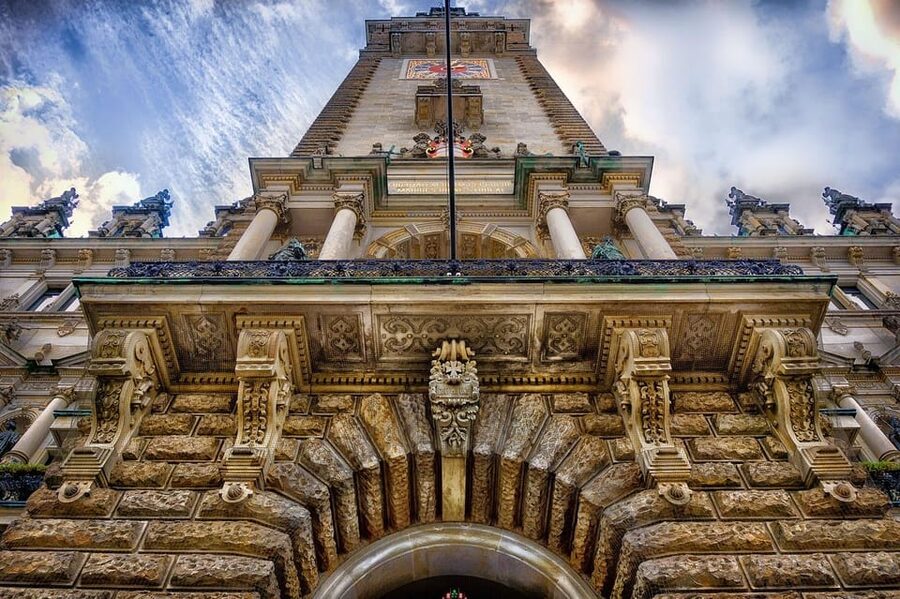
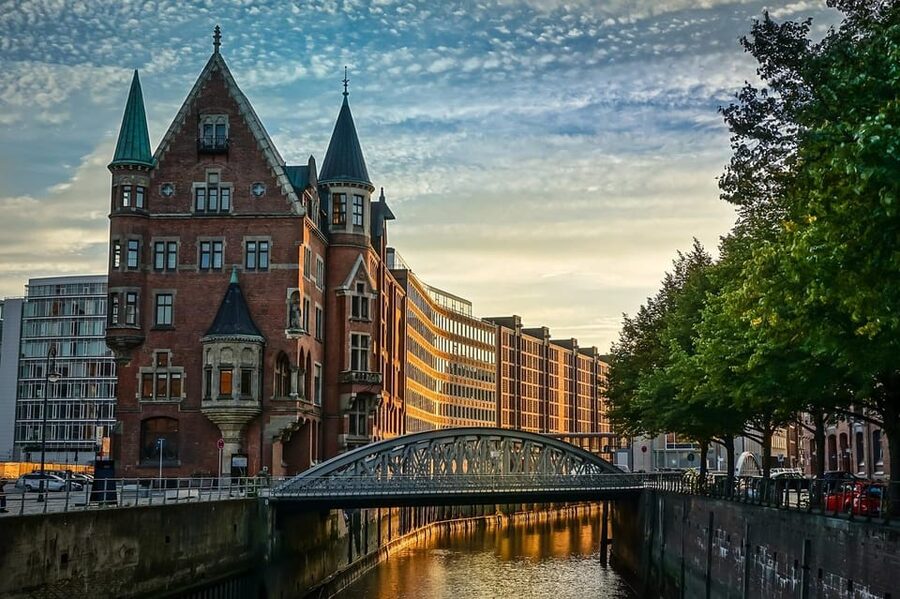
The Michel matters more than just for its looks. Hamburg used the church tower as a kind of city landmark for years, so it’s tied to the way people navigated and talked about the city. And one detail you’ll hear that makes it memorable: the church tower clock is the largest church tower clock in Germany. That kind of fact turns a quick “we’re here” photo into something you actually keep in your head.
You’ll also start off with guided commentary in German. If you speak a little, you’ll catch more nuance. If you don’t, you can still follow the route and enjoy the visuals, but the stories land best when you understand the language your guide is speaking.
Finally, this tour is designed to be easy on real trip days: comfortable footwear helps, and the walking time is focused rather than dragging. I also appreciate that children and dogs are welcome, so you’re not stuck with a stiff, formal vibe.
More of the Hanseatic history, up close



Following Hamburg’s shift from port warehouses to a global metropolis
Once you leave the Michel, you’re walking through the west of Hamburg and heading toward the Elbphilharmonie. The route is built around a clear idea: Hamburg didn’t become important by accident—it grew as a port city with massive storage and trade, then evolved into a modern global metropolis.
You’ll hear that port identity through the architecture and the way areas change. The tour connects the dots between old maritime logistics and today’s cultural and economic presence. Hamburg’s story also includes famous institutions, and your guide frames the city’s big reputation by mentioning its most visited opera house. Even if opera isn’t your thing, it helps explain why people come to Hamburg now, not just why ships once docked.
Along the way, you’ll get more than facts. Your guide shares anecdotes about Hamburg personalities and throws in gastronomic tips—useful if you want to eat like a local after the walk instead of defaulting to the nearest tourist menu.
Practical note: plan to do this tour when you have energy for photos and short stops. The pacing is guided and walkable, but it’s still a city stroll. If you’re the type who likes to pause and read every plaque, you’ll have to pick what you prioritize since the whole experience runs two hours.
Speicherstadt: the UNESCO warehouse city you can actually walk through
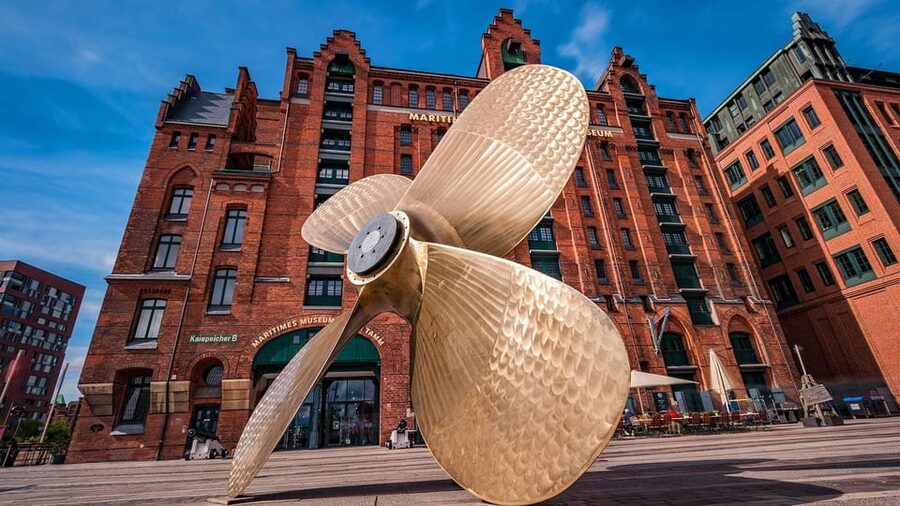
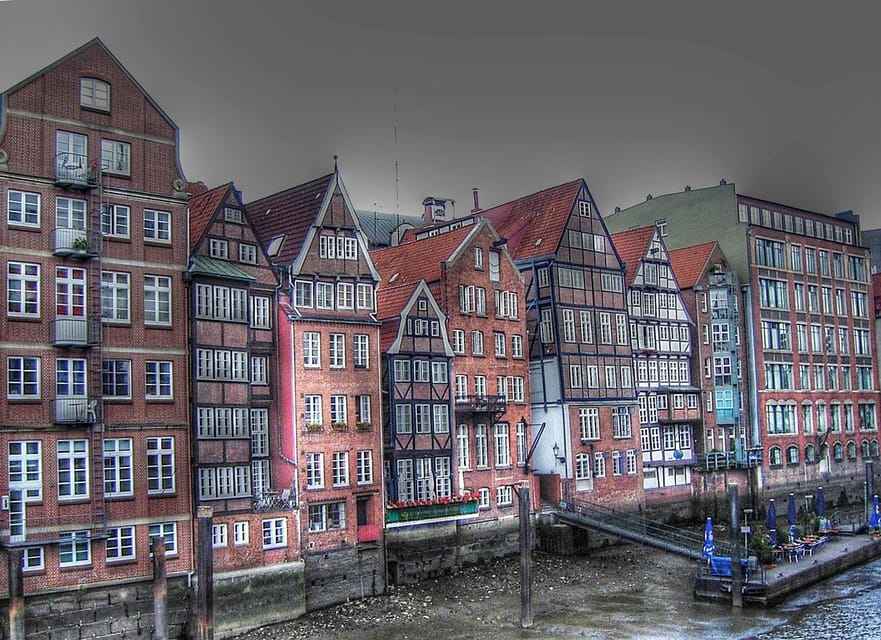
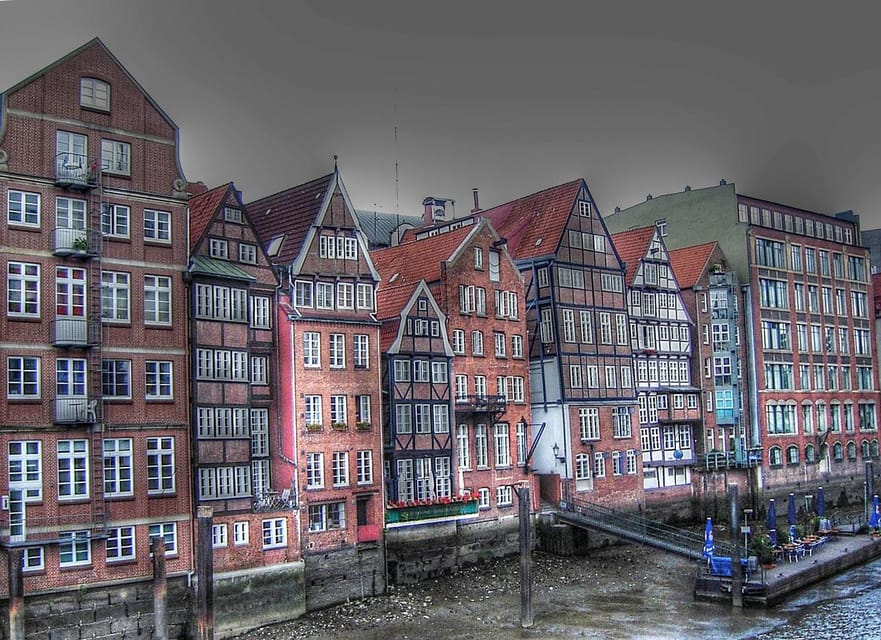
The standout historic stop is the Speicherstadt, a UNESCO World Heritage Site. If you only visit Hamburg for the big modern sights, this is the correction that makes the rest of the trip make sense.
The Speicherstadt is essentially the city’s warehouse complex—built around the port trade that made Hamburg powerful. Seeing it as an area (not just one building) is the key. Your guide doesn’t treat it like a museum you speed through. Instead, you get context for how it functioned when the city’s prosperity depended on moving and storing goods.
And because you’re walking through the neighborhood as part of a route, the history sticks better. You can look at the buildings and understand what kind of city planning supports trade: dense, functional, and built for work. That makes the later modern contrasts more satisfying.
One advantage of pairing Speicherstadt with HafenCity (nearby, more modern and very different) is that your guide can explain the “then and now” contrast without you needing to connect it yourself. You’ll see how Hamburg’s port identity didn’t disappear—it changed its wardrobe.
Krameramtsstuben: the small historic stop that adds personality
A great landmark tour doesn’t only hit the headline sites. It also gives you a sense of the everyday people behind the big story. That’s where Krameramtsstuben comes in.
You’ll experience Hamburg’s history at Krameramtsstuben, and your guide weaves it into the broader transformation from trading city to modern metropolis. The value here is tone. After warehouse history and large-scale port architecture, this stop is a reminder that Hamburg wasn’t built only by ships and commerce—it was also built by organizations, merchants, and the routines of people who traded, worked, and lived.
Your guide’s anecdotes and tips matter here. They help you connect the buildings to human habits rather than treating everything as a collection of photo backdrops. Even if you don’t know much German history before you arrive, the stop gives you something grounded.
If you like tours that feel like a guided conversation instead of a checklist, this is one of the points that should make you feel rewarded.
Elbphilharmonie: modern architecture and the port view finish
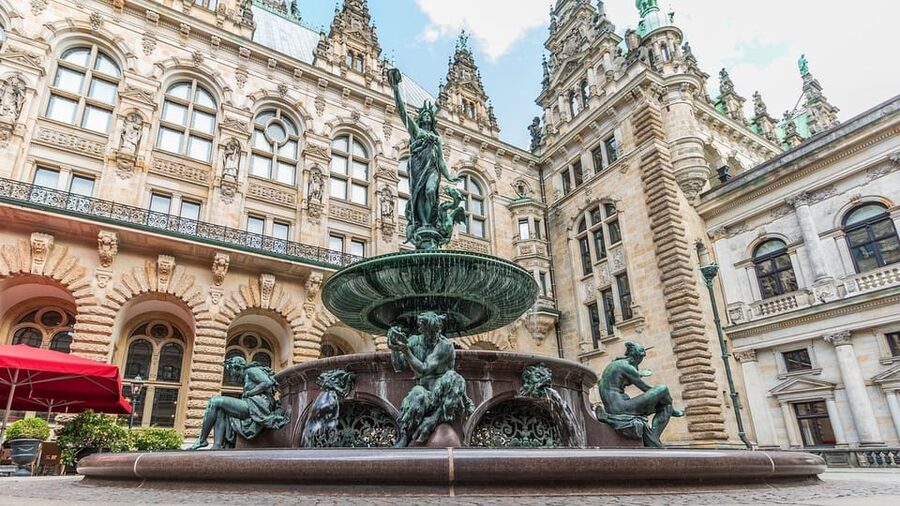
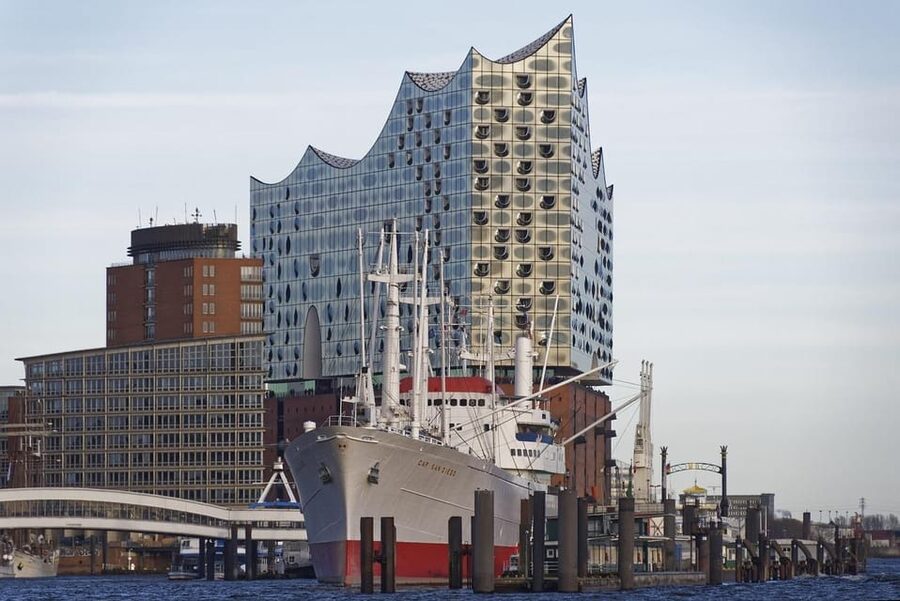
The endpoint is the Elbe Philharmonic Hall—the Elbphilharmonie—and it’s a fitting finale. The building is described as the symbol of the fusion of tradition and modernity in Hamburg’s port. That’s not just marketing language. You’ll feel it because the tour ends after you’ve seen the port’s older identity at Speicherstadt, then pushed forward into the modern HafenCity atmosphere.
What to expect at the finish: an impressive architecture moment plus a port view you can enjoy on your own afterward. Your guide explains how the building represents the city’s evolution, so you’re not just taking a look—you’re understanding why this particular shape, style, and location is so meaningful.
You’ll also have the option to visit the Elbphilharmonie on your own, though it depends on plaza closures at the time. In other words, don’t build your whole day around a guaranteed inside visit. If the plaza is accessible, great. If not, you can still enjoy the view and the photo opportunities.
And yes, the tour is meant to end back at the meeting point. So you’re not left trying to navigate on your own after the main highlights.





Timing, walking pace, and what to do with the rest of your day
This tour is designed as a two-hour experience, which is honestly a sweet spot. Long enough to connect major areas—Michel, Speicherstadt, HafenCity/Elbphilharmonie—and short enough to fit into a day with other plans.
Here’s how I’d build your day around it:
- If it’s your first time in Hamburg, do this early. You’ll learn where the city’s “old trade power” meets the modern “culture-and-global” phase.
- If you plan to spend more time around the water later, this tour gives you a clean mental map so you can return without second-guessing where you are.
- If weather is iffy, bring something for comfort and expect changeable conditions near the harbor.
Comfort is practical here. Comfortable shoes matter because you’re walking through several areas, with photo stops and guided explanation. This is not a hop-on/hop-off ride. It’s a get-out-and-walk tour.
If you’re doing other Hamburg sights afterward, you’ll get the most out of them because the tour provides the storyline: why these places are positioned where they are, and how the city’s identity shifted over the centuries.
Price and value: is $25 worth it?
At about $25 per person for a two-hour guided route, the value is strongest if you want structure. You’re not just paying to stand near buildings. You’re paying for a guide to connect the dots between:
- the Michel landmark and the clock-tower fact,
- UNESCO Speicherstadt as the port warehouse city,
- the contrast of HafenCity,
- and the Elbphilharmonie as the modern symbol of that transformation.
The price also makes sense because you get a live guide (German) and a route that takes you to multiple high-impact areas without having to figure out connections and timing on your own.
Another value point: the tour is wheelchair accessible and barrier-free, so it’s built with real-world mobility needs in mind—not as an afterthought. And kids and dogs are welcome, which often correlates with a tour that doesn’t feel overly rigid.
If you already know Hamburg’s history well and you’re mainly looking for the views, you might do fine on your own. But if you want the story threaded through the walk, this format is a good deal.
Who this landmark tour suits best
This tour fits best if you:
- want a fast way to understand Hamburg’s shift from port power to modern global city,
- like landmark photography but also want the “why” behind it,
- prefer a guided route that handles pacing and sequencing,
- travel with kids (or a dog) and want something not overly strict.
It’s also a solid choice for first-timers. Starting at the Michel helps you orient quickly, and ending near the Elbphilharmonie gives you a satisfying big final scene.
If you only want a slow, detailed explore of one neighborhood, you might find two hours feels short. But if you want a focused route that hits the essential story beats, this is an efficient, rewarding plan.
Should you book Hamburg Discover Hamburg from landmark to landmark?
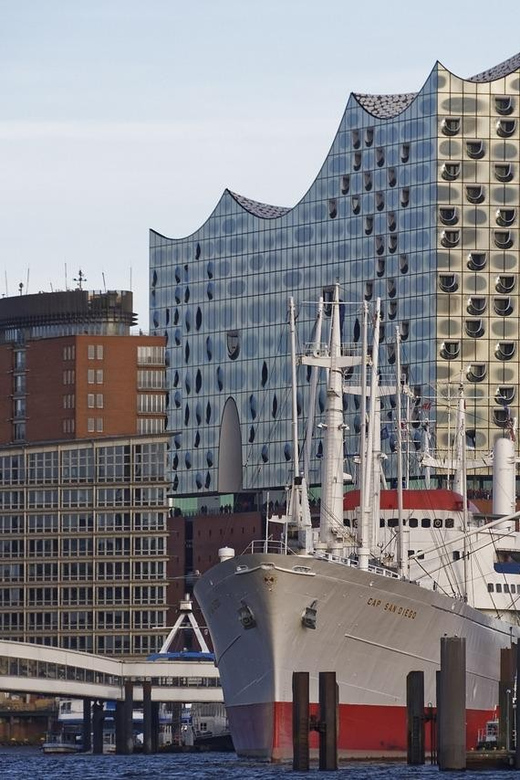
Yes—if you want the city’s main landmarks connected by a clear narrative. The Michel start is easy and meaningful, Speicherstadt adds UNESCO-grade context you can walk through, and the Elbphilharmonie finish feels like the modern punctuation mark to the whole story.
I’d pass or rethink it if:
- you expect lots of inside time in multiple buildings (this is a guided walk, not a long museum day),
- you strongly need English-only commentary (the guide is German),
- or you’re traveling with a schedule that can’t handle the possibility of plaza access limitations at the Elbphilharmonie.
FAQ
How long is the Hamburg landmark tour?
The tour lasts 2 hours.
What is the tour price?
It’s priced at $25 per person.
Where does the tour start?
It starts at St. Michaeliskirche (the Michel), to the right of the main entrance.
Where does the tour end?
The tour ends at the Elbe Philharmonic Hall. The activity also ends back at the meeting point.
What will I see during the tour?
You’ll visit the Michel, the UNESCO Speicherstadt area, Krameramtsstuben, and the Elbphilharmonie, with guided walking and photo stops.
Is there a live guide?
Yes, there is a live tour guide speaking German.
Is the Elbphilharmonie visit included?
You can visit the Elbphilharmonie on your own after the tour, but it depends on plaza closures.
Is the tour wheelchair accessible?
Yes, the tour is barrier-free and wheelchair accessible.
Are children and dogs allowed?
Yes, children and dogs are welcome.
When can I book a spot?
You can check availability to see starting times.
History Around Hamburg



More Tour Reviews in Hamburg


Just In: The Newest Hamburg Reviews









Historical Tours, compared.
 ★ 5.0The Local Tour of Hamburg Historic CentreFrom $31,058 reviews
 ★ 4.4Historical Tour of the St. Pauli Sex Work DistrictFrom $39215 reviews
 ★ 4.7UNESCO-World Heritage Sites TourFrom $18137 reviews
 ★ 5.0Sightseeing Tour – Free Tour – Historic Center-Hamburg On FootFrom $3112 reviews
 ★ 4.8German Hamburg Historic City Center Pay-What-You-Want TourFrom $380 reviews
 ★ 4.7Speicherstadt Historical Guided Walking TourFrom $2971 reviews
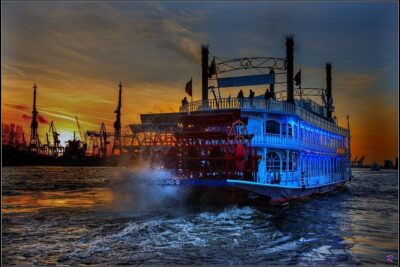 ★ 3.5Lights tour through the port of Hamburg and to the historic warehouse districtFrom $3070 reviews
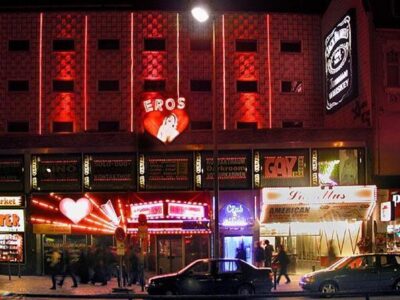 ★ 5.0Free Tour: History of the Port, Red Light District and the BeatlesFrom $348 reviews
Browse the lists this tour appears in