
Reviewed · GRAND HARBOR TOURS & ELBE CRUISES
Hamburg: Entrance to the Museum Ship Cap San Diego
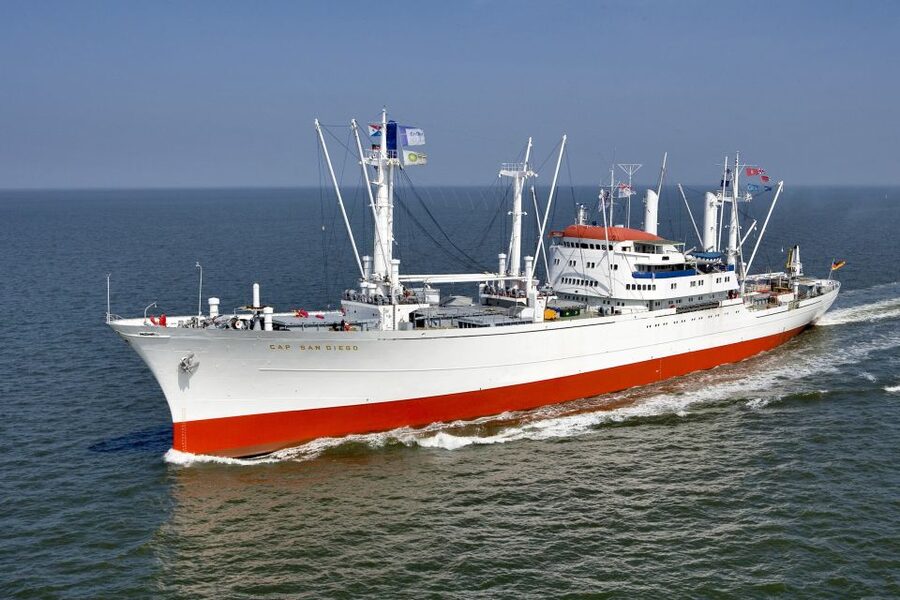
A real cargo ship can feel surprisingly personal. Cap San Diego turns Hamburg’s shipping era into a self-guided trip from the 1960s to the 70s, and I love how close you can get to the engine room on a working-style museum ship. The other big win is the scale: this is the largest civil museum ship in the world, and you really feel it as you move from the bridge down through the ship’s spaces. The only catch is that it’s truly self-guided, so you’ll do a bit of wayfinding on your own.
I like that the ship is built around story stops, not just random rooms. You watch the documentary about Hamburg emigrants (1850–1930), then you shift into cargo history through the hatch 2 exhibition on general cargo and container handling. And if you select it, the audio guide helps you connect the dots while you wander.
One more consideration: this is not a flat, easy stroll. The ship has multiple flights of stairs, and it isn’t wheelchair accessible, so plan for that before you go.
In This Review
- Key things that make Cap San Diego worth your time
- Museum Ship Cap San Diego: Why Hamburg Keeps This Cargo Ship Alive
- Getting Onboard at Überseebrücke Without the Stress
- Your 1960s–70s South America Voyage: Bridge, Saloon, and the Ship’s “Life”
- Hatch 2 and the Cargo Story: General Cargo to Containers
- A Suitcase Full of Hope: Emigration Between 1850 and 1930
- The Machine Room: Where the Ship Shows Its True Work
- Audio Guide and Pacing a Self-Guided Visit
- Price and Value: Is $14 Fair for a Full Ship Day?
- Who Should Go (and Who Should Skip It)
- Should You Book Cap San Diego in Hamburg?
- FAQ
- How long is the Museum Ship Cap San Diego entrance experience?
- Where do I go to enter the ship?
- What are the opening hours?
- Is there a live guide on board?
- Does the ticket include an audio guide?
- What exhibits or media can I see during the visit?
- What is hatch 2 about?
- Can I explore the whole ship myself?
- Is Cap San Diego wheelchair accessible?
- Is it recommended for people with claustrophobia?
Key things that make Cap San Diego worth your time
- Largest civil museum ship you can explore from bridge to hatch
- 1960s–70s Atlantic voyage vibe, including South America route themes
- A Suitcase Full of Hope documentary on emigrants from 1850–1930
- Hatch 2 exhibition: General Cargo and Container Handling from 1960 to today
- Machine Room access where you can feel the engine pulse
- Friendly onboard crew who share helpful information
Museum Ship Cap San Diego: Why Hamburg Keeps This Cargo Ship Alive
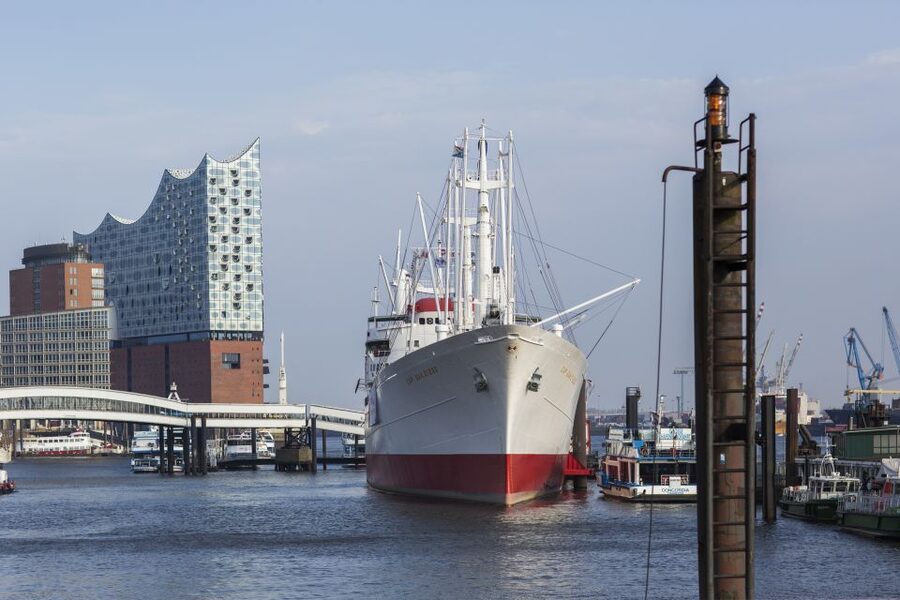
Hamburg has plenty of water views, but Cap San Diego gives you something rarer: an entire ship you can walk through like a museum. This isn’t a replica or a staged set. It’s the last surviving ship from a group of six fast general cargo ships built in 1961–62 for Hamburg Süd, designed for the long run to South America until 1981. Since 1988, it’s been serving as a maritime monument you can actually enter and explore.
What I love about that is the feeling of continuity. You’re not just looking at history from behind glass. You’re moving through the spaces where work happened: bridge lookout, saloon downtime, cargo areas, and the working heart of the ship.
And because it’s a museum ship, it offers a practical kind of learning. You can go at your pace. If you want to linger on the technical side, you can. If you prefer the human story, you can spend more time there too.
More hours out on the harbour and the Elbe


Getting Onboard at Überseebrücke Without the Stress
Your meeting point is simple: go to the ship entrance at the end of Überseebrücke. If you’re planning to arrive during opening hours (10 AM–6 PM daily), I’d give yourself enough time to breathe and get oriented on the dock before you start climbing.
Since there’s no live guide, your ticket is basically permission to explore—your schedule is your schedule. That makes it a good choice when you want a single, focused activity in a busy day in Hamburg.
One small reality check: signage can’t magically remove every uncertainty. The route is fairly learnable once you’re on board, but you’ll still want to pay attention as you move between levels, hatches, and spaces.
Your 1960s–70s South America Voyage: Bridge, Saloon, and the Ship’s “Life”
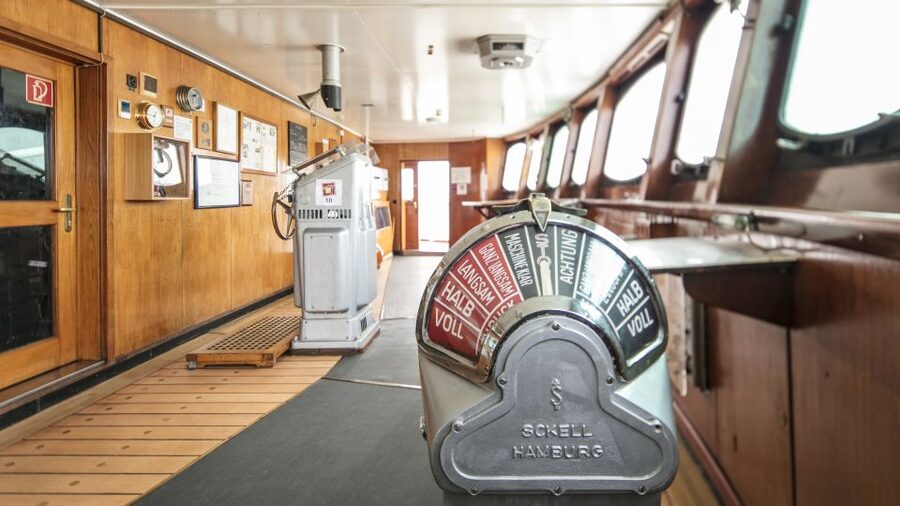
Cap San Diego is built around an imaginative journey through the 1960s and 70s across the Atlantic, with stops in the spirit of Rio de Janeiro and Buenos Aires and then back again. It’s a clever approach. Instead of treating the ship like a static artifact, you experience it like a living system with different roles and moods.
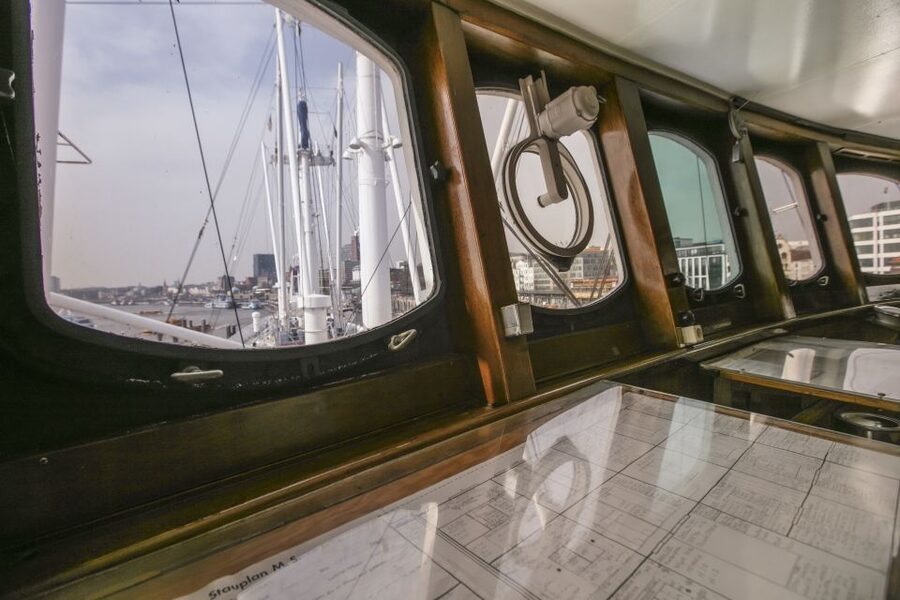
Start with the bridge idea. You get the chance to picture being a lookout—standing where decisions were made, scanning the route, and thinking about what’s coming next. This part works best if you let your mind do a little work. You’re not just standing somewhere. You’re reenacting a job.
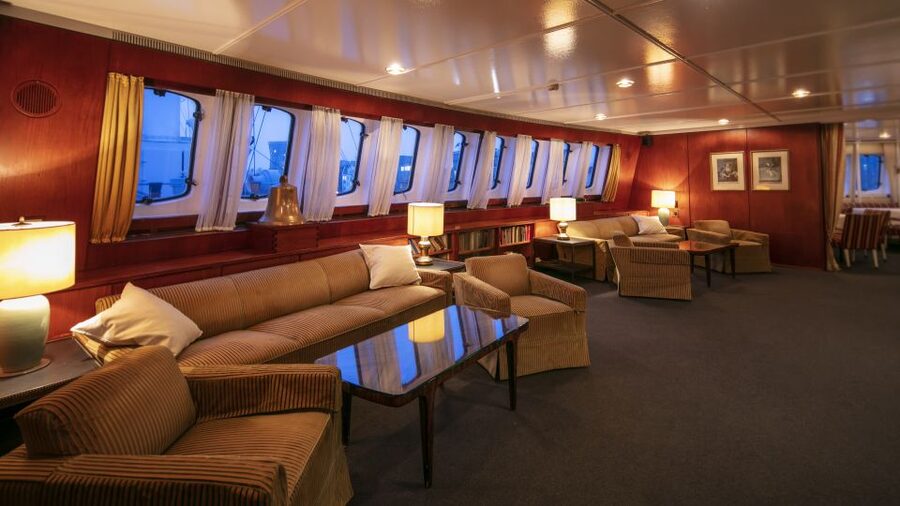
Then shift toward passenger life. In the saloon area, the atmosphere is meant to feel calmer, with light music playing while you imagine the voyage. Even though this is a museum, that little detail helps you understand that ships weren’t only machinery and cargo. There was also routine, rest, and people trying to pass the time.
If you like ship museums, you’ll appreciate how the experience keeps switching between perspectives: work above, work below, and human downtime in between. It’s one reason the “largest civil museum ship” label actually means something. You can’t see it all in a quick glance.
Hatch 2 and the Cargo Story: General Cargo to Containers
In hatch 2, you’ll find the permanent exhibition called General Cargo and Container Handling. This is one of the most practical parts of the visit because it explains how sea freight evolved.
The exhibition covers the history of sea freight transport from 1960 to today. That matters because the ship you’re standing on sits right in the transition era. You can see the bridge-to-hatch logic of how goods moved, and you can connect that to the bigger change in shipping: containerization and how it reshaped efficiency and logistics.
What makes this stop valuable is that it’s presented with historical images and explanatory text. You’re not forced into a tech lecture. You can read, look, and then move on. If you’re the type who likes understanding how systems changed, this is the area that will probably hold your attention longest.
Practical tip: if you’re trying to cover everything, hatch 2 is a good midpoint anchor. Once you’ve done it, you’ll have a stronger mental map for what you’re seeing elsewhere on the ship.
A Suitcase Full of Hope: Emigration Between 1850 and 1930
The museum doesn’t only tell the shipping story. It also tackles the fate of emigrants between 1850 and 1930 through the documentary A Suitcase Full of Hope – Emigration Port of Hamburg.
This is where the ship gains another layer. The Atlantic crossing wasn’t just commerce. It was also people leaving home for a future they could hope for, whether that future arrived the way they imagined or not.
You watch the documentary during your self-guided tour, which gives you flexibility. If you want to pair it with the cargo history theme, do it around the middle of your visit. If you want to end on a more emotional note, save it for later.
The documentary stop works especially well if you’re in Hamburg for more than one day or if you like context. It ties maritime history to a very real human journey—and it explains why Hamburg could be a key departure point during those decades.
More to see indoors, tickets sorted




The Machine Room: Where the Ship Shows Its True Work
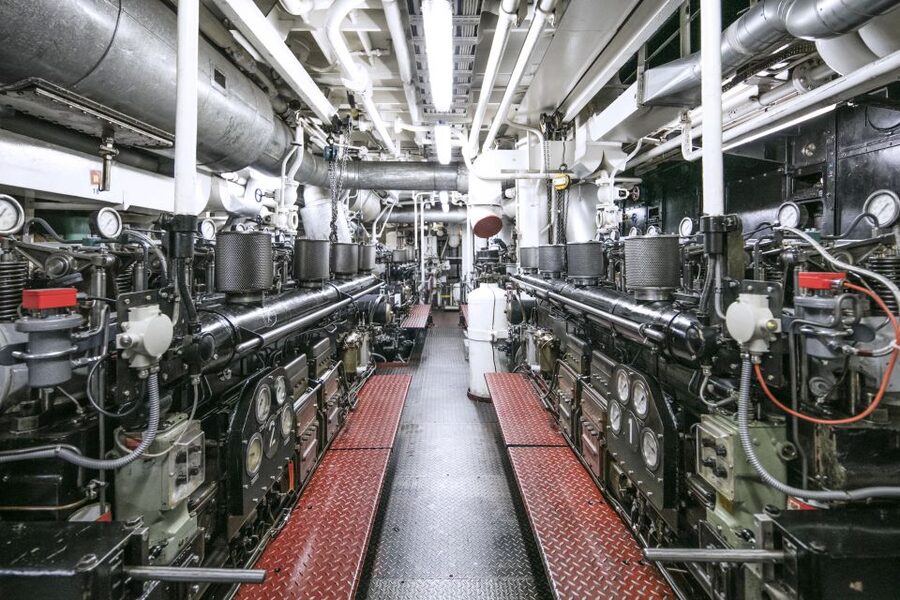
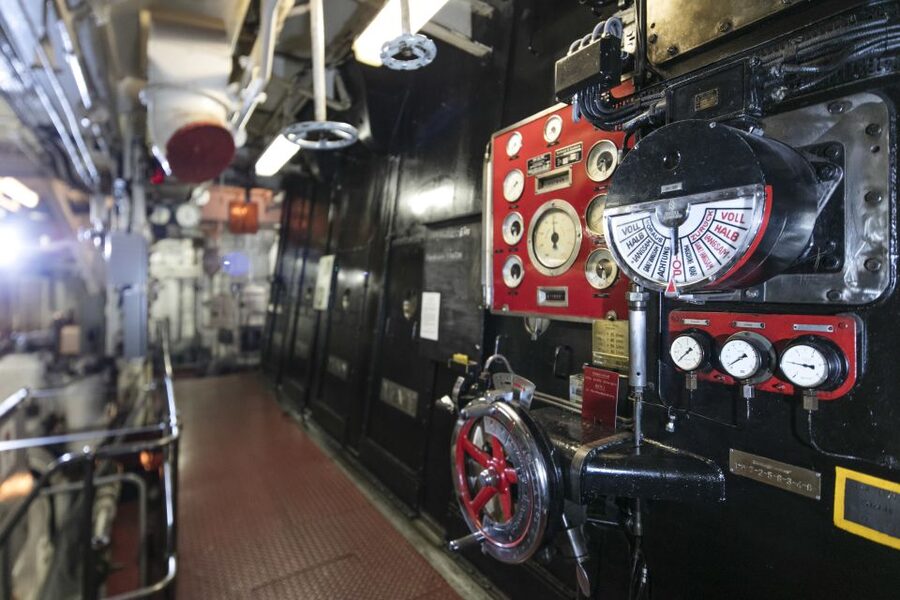
If there’s one part of Cap San Diego that feels like the heart of the museum, it’s the Machine Room. The experience description is spot on: you can stand deep within it and feel the steady pulse of the engines.
This matters because it’s the difference between reading about shipping and understanding what it physically meant to run a ship. The Machine Room isn’t just impressive to look at; it changes how you think about the whole vessel. Suddenly the bridge and the cargo spaces feel connected to something real and ongoing.
I also like that this part helps you appreciate the ship as infrastructure. Even without a live guide, the space itself tells you where effort concentrated. You can see the logic of power, control, and motion.
One caution: since the ship isn’t wheelchair accessible and has multiple flights of stairs, you should consider whether you can comfortably reach the lower areas. Also, if you have claustrophobia or mazeophobia, this style of enclosed, multi-level exploration may not be ideal.
Audio Guide and Pacing a Self-Guided Visit
There’s no live guide on board—just you, your ticket, and (optionally) an audio guide. If you select the audio guide, it can help you avoid the feeling that you’re wandering without a thread. It’s especially useful for connecting ship spaces to the story themes: bridge lookout, cargo handling, and the emigration documentary.
Since the museum is open from 10 AM to 6 PM daily, you can build your day around it. I’d aim for a steady pace rather than a sprint. This ship is physically demanding in spots, and you’ll enjoy it more if you let your attention settle.
A simple pacing strategy:
- Start with bridge and public-feeling spaces first so you get the overall shape.
- Then do hatch 2 and the documentary so your context grows as you go.
- Finish with the Machine Room, since it’s the most intense physical and sensory stop.
Even if you don’t follow that order exactly, the idea holds: context first, technical work last.
Price and Value: Is $14 Fair for a Full Ship Day?
At around $14 per person, this museum ship is priced like a practical day activity—not like a premium guided tour experience. And that’s part of the value.
You’re paying for:
- Entrance to a full ship museum
- A self-guided route that can easily fill a large chunk of your day
- A documentary about emigrants between 1850 and 1930
- Hatch 2’s permanent exhibition on general cargo and container handling
In other words, you’re not buying one photo spot. You’re buying access to multiple layers of interpretation: human story, cargo evolution, and the engine-room reality of maritime work.
If you enjoy museums where you can choose your own pace, this price feels reasonable. If you only want a quick stop, you might find you have to decide what you care about most, because there’s a lot to see on a ship this large.
Who Should Go (and Who Should Skip It)
Cap San Diego is a strong match if you:
- Like maritime history and ship design
- Prefer self-guided exploration over strict schedules
- Want both human context (emigration) and practical shipping history
- Enjoy hands-on-feeling spaces like a Machine Room
It’s less of a match if:
- You have claustrophobia or mazeophobia, since the ship’s layout and enclosed spaces can be challenging
- You need wheelchair access, because it is not wheelchair accessible
- You have limited mobility, because there are multiple flights of stairs and it’s not recommended
Also, because the tour is self-guided and there’s no live guide, you should be comfortable exploring without an expert walking you through every detail.
Should You Book Cap San Diego in Hamburg?
I’d book it if you want one anchored activity that feels real in a city known for water and movement. Cap San Diego gives you the “bigger than life” feeling of a working ship, but with museum structure: documentary time, exhibition time, and the chance to experience the Machine Room’s pulse.
Skip it if stair-heavy ship interiors are a problem for you, or if you know you’ll struggle with enclosed layouts. And if you’re the type who needs constant guidance, remember this is self-guided. You’ll have to steer yourself.
If you fit the right category, this is one of the most memorable ways to understand Hamburg’s maritime story in a single day.
FAQ
How long is the Museum Ship Cap San Diego entrance experience?
It’s valid for 1 day, so you can plan your visit within that day while the museum is open.
Where do I go to enter the ship?
Go directly to the ship entrance located at the end of Überseebrücke.
What are the opening hours?
The museum is open 10 AM–6 PM daily.
Is there a live guide on board?
No. It’s a self-guided tour with no live guide.
Does the ticket include an audio guide?
The entrance ticket includes audio guide if you selected that option.
What exhibits or media can I see during the visit?
You can watch the documentary A Suitcase Full of Hope – Emigration Port of Hamburg about emigrants between 1850 and 1930, and you can visit the permanent exhibition General Cargo and Container Handling in hatch 2.
What is hatch 2 about?
Hatch 2 hosts the permanent exhibition on general cargo and container handling, explaining the history of sea freight transport from 1960 to today with images and explanatory texts.
Can I explore the whole ship myself?
Yes. You can explore on your own from the bridge to the hatch and through the ship’s spaces.
Is Cap San Diego wheelchair accessible?
No. It is not wheelchair accessible.
Is it recommended for people with claustrophobia?
It is not recommended for people with claustrophobia or mazeophobia.
More Tour Reviews in Hamburg



More Hamburg Museums & Tickets

More Harbour Tours & Elbe Cruises


Just In: The Newest Hamburg Reviews








Grand Harbor Tours & Elbe Cruises, compared.
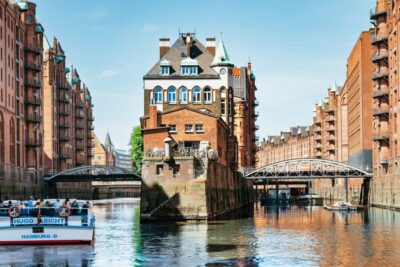 ★ 4.61.5-Hour Harbor and Speicherstadt Day CruiseFrom $4014,200 reviews
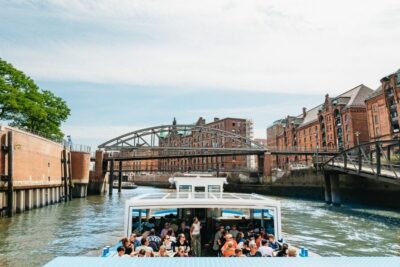 ★ 4.72-Hour XXL Port of Hamburg Cruise TourFrom $476,979 reviews
 ★ 4.41-Hour Harbor Evening Lights CruiseFrom $304,861 reviews
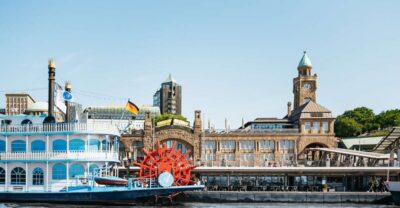 ★ 4.41-Hour Harbor Sightseeing Cruise with HafenCityFrom $303,067 reviews
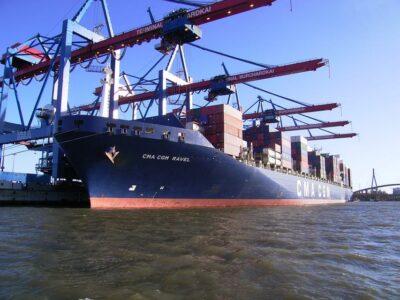 ★ 4.61-Hour Harbor CruiseFrom $282,283 reviews
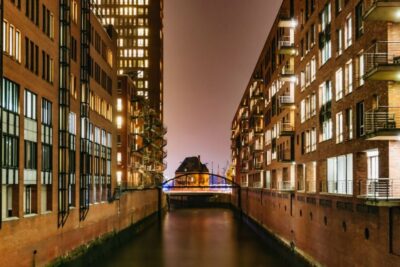 ★ 4.21.5h Grand Harbor Evening Lights CruiseFrom $281,316 reviews
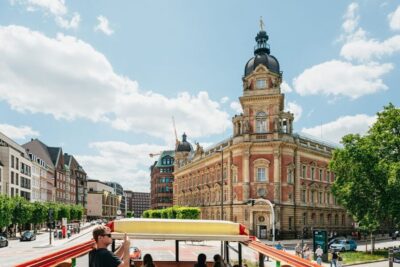 ★ 4.5Hop-On Hop-Off Bus with Alster or Harbor CruiseFrom $44812 reviews
 ★ 4.7Harbor Cruise with Wine and CheeseFrom $49795 reviews
Browse the lists this tour appears in