
Reviewed · HAMBURG MUSEUMS & LANDMARK TICKETS
Hamburg: International Maritime Museum Entrance Ticket
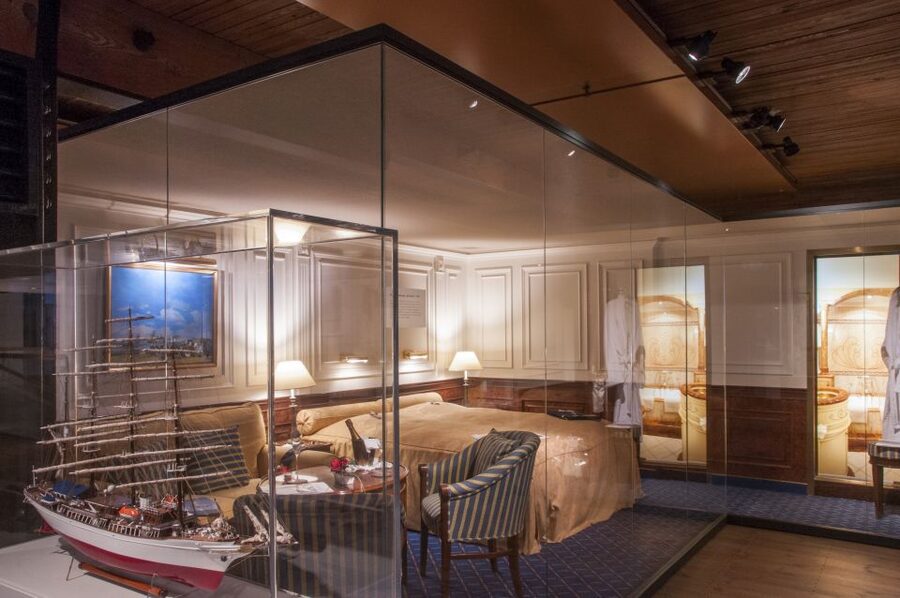
Sea history has a way of sticking to you. This International Maritime Museum Hamburg ticket turns an ordinary day in Northern Germany into a walk-through of how people have used the sea, with nine decks of exhibits inside Hamburg’s oldest surviving warehouse. You’re looking at more than 40,000 pieces, and the museum connects that big story to Hamburg’s own seafaring roots.
What I especially like is the creativity of the displays, like the LEGO-built Queen Mary II made from 1 million bricks. I also like how the museum gives you both the romance and the mechanics: pirates, navigation, windjammers, cogs, dragon boats, and the real gear behind maritime work. One thing to consider: some labels are only in German, so you may want the optional audio guide if you’re not comfortable reading German.
In This Review
- Key things to know before you go
- International Maritime Museum Hamburg: a nine-deck ticket to the sea
- Where to go at Koreastraße 1 (and how to start fast)
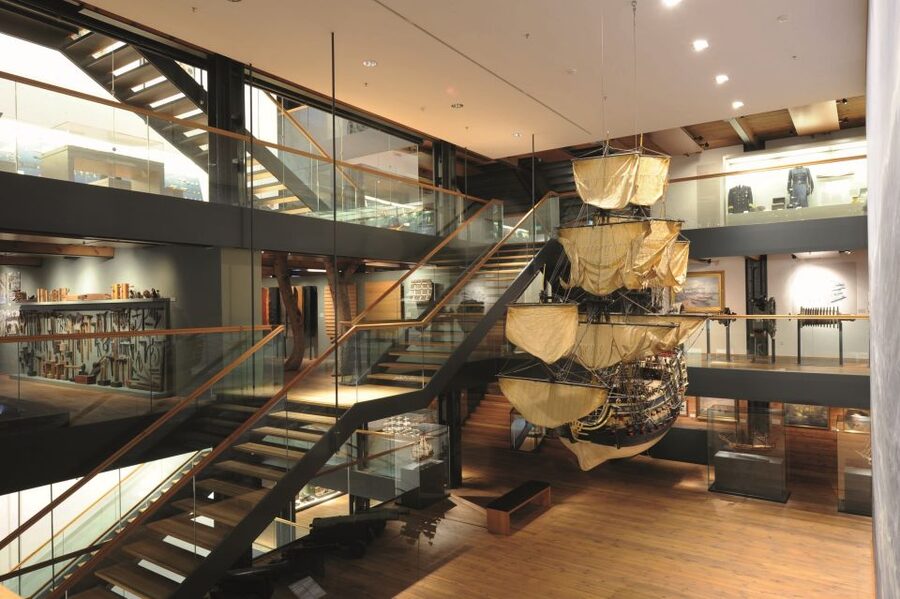
- 40,000+ objects across nine decks: how the museum keeps it organized
- LEGO Queen Mary II: a model you’ll want to circle
- Marine biology research floor: ice wall, sea-bed samples, and sound
- Pirates, navigation, and uniforms: the human side of maritime power
- Ship types and sea traditions: windjammers, cogs, dragon boats, and more
- Food breaks and pacing: when 3 hours becomes 7
- Price and value: what $16 buys you (and what costs extra)
- Practical planning: tickets, timing, and cancellation basics
- Who this museum suits best (and who might want a different plan)
- Should you book this International Maritime Museum Hamburg ticket?
- FAQ
- How long is the International Maritime Museum Hamburg ticket valid?
- Is an audio guide included with the ticket?
- Where is the museum entrance for this ticket?
- Can I cancel for a full refund?
- Is the museum wheelchair accessible?
- Does the ticket include a skip-the-line option?
Key things to know before you go
- Nine decks, one ticket: you’ll move through the museum floor by floor like you’re touring different parts of a ship.
- 40,000+ exhibition pieces: it’s big, so plan time instead of trying to sprint.
- LEGO Queen Mary II (1 million bricks): a standout, kid-friendly build that also impresses adults.
- Marine biology research floor: updated displays with an actual wall of ice and underwater audio samples.
- Uniforms and medals from navies worldwide: great for anyone who likes details about crews and maritime power.
- German-only sections: many exhibits are also in English, but not everything is.
International Maritime Museum Hamburg: a nine-deck ticket to the sea
If you’ve ever felt lost in a huge museum, this one helps you. The International Maritime Museum Hamburg is designed like a voyage: you move through nine decks, and each area pushes a different angle of maritime life. That structure matters because maritime history can be endless, and the museum’s layout keeps it manageable without feeling like a quick stop.
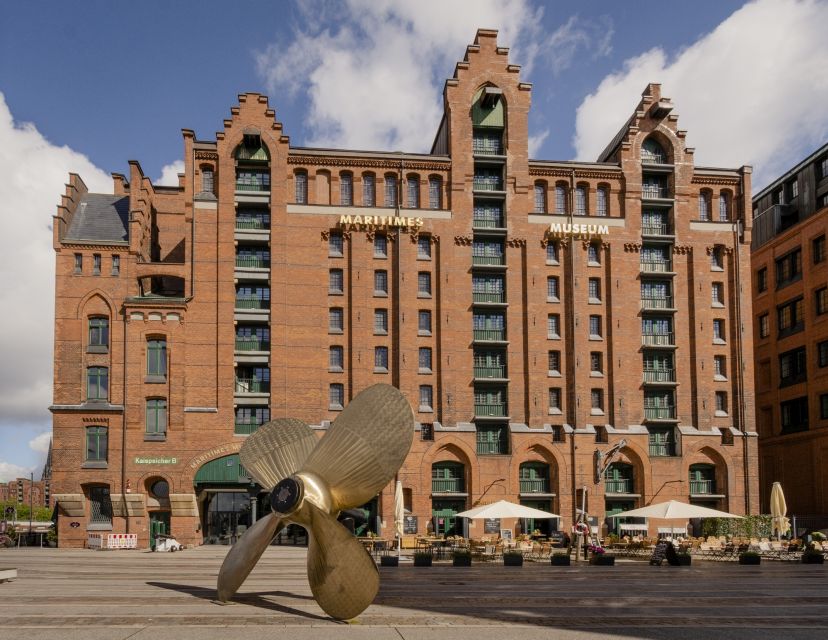
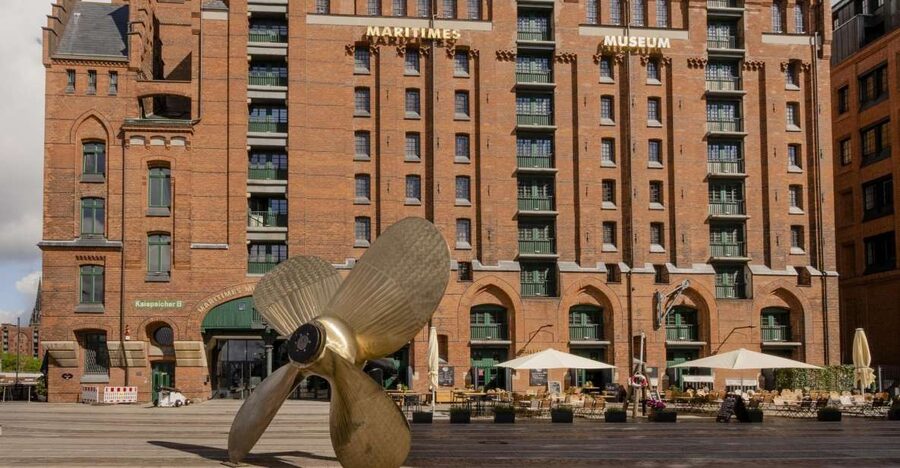
You’ll also get the setting working for you. The museum sits inside the oldest surviving warehouse in Hamburg, so the building itself feels tied to trade and shipping. In practice, that means you’re not just looking at models behind glass—you’re in a space that once belonged to real cargo and real maritime activity.
For me, the best part is that the collection feels both broad and specific. Broad, because you cover centuries of exploration and seafaring technology. Specific, because you repeatedly return to the human side: captains, navigation, uniforms, medals, and the day-to-day realities of life at sea.
More to see indoors, tickets sorted



Where to go at Koreastraße 1 (and how to start fast)
Your meeting point is simple: go directly to the museum entrance at Koreastraße 1, 204457 Hamburg. If you’re using the Skip the ticket line option, arrive with a little patience anyway. Even with a shortcut, the museum is popular, and you’ll want time to check your bearings before you pick a route.
I recommend you start by scanning the main wayfinding area and choosing your first “must-see.” With a collection this large, you’ll enjoy it more if you decide what matters most to you on day one. Otherwise, you’ll drift into information overload, and the museum can feel like it’s shouting facts at you.
One small practical tip: since there’s an extra audio guide you can buy in English and German, you might think about whether you prefer reading labels or listening as you go. If you’re relying on English for everything, it’s a good idea to consider the audio guide before you start walking.
40,000+ objects across nine decks: how the museum keeps it organized
The museum’s headline is scale: more than 40,000 exhibition pieces. That sounds like a lot—because it is. But the trick is that the museum is laid out so you don’t just see objects; you see themes.
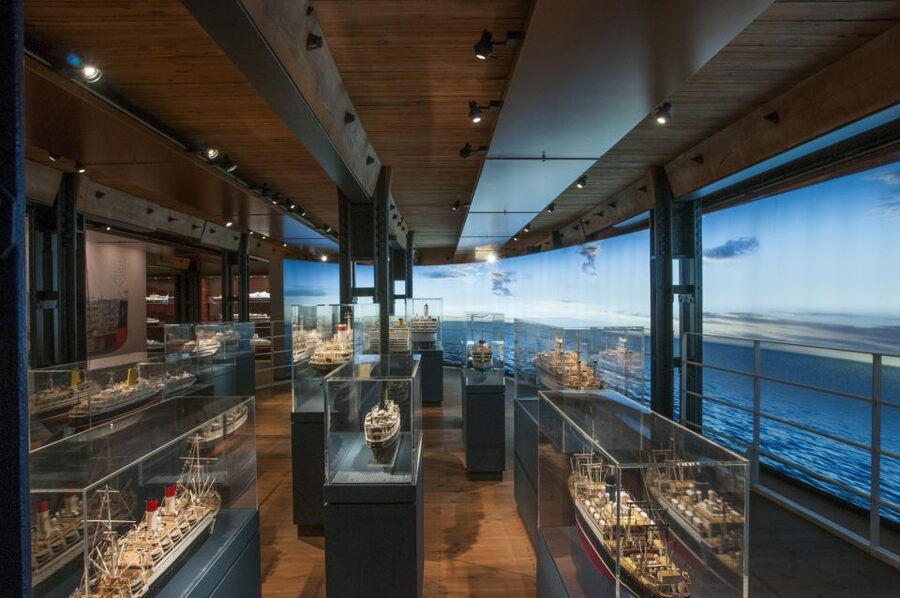
As you climb or move between decks, you’ll run into the big categories maritime museums do best: shipbuilding and ship types, navigation and instruments, maritime biology and research, and the uniforms and symbols tied to naval history. You’ll also see the fun side of the sea story—pirates—set next to the technical side—navigation and technology.
I like that the exhibits don’t all feel the same. Some areas lean visual and model-heavy. Others feel more “workshop” focused, showing tools, instruments, and the logic of how maritime systems function. That mix helps keep your brain engaged, especially if you’re going with kids or if you know you get tired in long galleries.
Also, plan for more time than you think. People often expect a quick visit and then get pulled into floor after floor. If you want a careful walk with stops for reading, budget at least a few hours. If you want to truly look, you’ll likely stay longer.
LEGO Queen Mary II: a model you’ll want to circle
One exhibit gets mentioned again and again for a reason: the Queen Mary II built from 1 million LEGO bricks. It’s not only eye-catching. It’s also a smart way to teach scale and design without heavy text. You can get a feel for ship structure just by looking at the model’s sections and details, and kids usually love it instantly.
What makes this kind of display valuable is that it creates a bridge. If you’re visiting the museum mainly out of curiosity, the LEGO model becomes an easy entry point. If you’re already into maritime history, it’s still impressive because it shows how ship design translates into something you can actually analyze up close.
If you see the LEGO Queen Mary II early, it can set the tone for the rest of the visit. You start paying attention to shapes, parts, and engineering. Then, when you move on to other ship-related exhibits, the museum feels less like random facts and more like one connected story.
Marine biology research floor: ice wall, sea-bed samples, and sound
This is the part I’d call the museum’s special science floor. There’s a dedicated area focused on marine biology research, developed with leading scientific institutions, and it’s constantly updated. That “updated” piece matters. It signals that this isn’t just a museum display frozen in time; it’s showing ongoing study.
Here’s what you can expect to see:
- research instruments
- samples from the sea bed
- films made by underwater robots
- an actual wall of ice
- underwater audio samples
In other words, you’re not only looking at ship history. You’re getting a sense of how the sea itself is explored. The wall of ice is a striking visual way to connect cold environments to ocean science, and the underwater audio samples make it feel less like a textbook and more like you’re standing near a real habitat.
If you’re visiting with anyone who loves animals, science, or hands-on learning, this floor is your best argument for staying longer. Even if you only have a morning, don’t skip it. It changes the museum from history-only to a broader view of how we understand the ocean now.
More tickets and skip-the-line entries





Pirates, navigation, and uniforms: the human side of maritime power
Maritime history can be big and abstract. This museum does a good job pulling it back into people and purpose.
You’ll see displays that touch pirates and seafaring adventures, but you’ll also get serious about navigation and the skill needed to move across water safely. Captains mastered routes and instruments because the sea doesn’t care about our plans. Learning how navigation worked makes the whole maritime story feel real, not just romantic.
Then there are the uniforms and medals. Medals and uniforms from navies around the world give you a tangible view of maritime identity—rank, affiliation, and tradition. If you like visual detail, it’s a fantastic section. You can often spot patterns that tell you how different cultures organized maritime service.
One more thematic bonus: the museum includes maritime technology topics, including containerisation and its effects on shipping. That’s especially relevant if you want the modern bridge—how global trade changed once cargo could be standardized and moved more efficiently.
Ship types and sea traditions: windjammers, cogs, dragon boats, and more
The museum doesn’t limit itself to one era or one type of vessel. You’ll encounter windjammers, cogs, dragon boats, and other craft types, which helps you understand that the sea story isn’t just about European empires or only about large ships.
This variety is practical for planning your visit. If one topic doesn’t grab you, you won’t be stuck. You can swing from traditional boat forms to navigation and technology, then back to the human side through uniforms and naval artifacts.
It also makes the museum feel less like a single lecture and more like a set of connected chapters. Each ship type becomes a clue to culture, trade routes, and the technology available at the time.
Food breaks and pacing: when 3 hours becomes 7
A museum like this can either feel effortless or exhausting. The difference is pacing.
Plan for breaks. There’s a coffee kiosk about halfway up, which is great because it gives you a natural mid-visit reset. If you’re reading a lot of labels, your brain needs that break to keep processing.
There’s also a restaurant next door, and that’s a big deal when you realize you might still be going strong after you expected to be done. If you’re with family, the ability to step out, eat, and come back helps you avoid the classic museum meltdown.
How long should you plan? If you want to cover a lot with some reading, a few hours is realistic. If you want to look closely at models and technology sections, plan longer. The museum is big enough that time disappears fast once you start paying attention.
Price and value: what $16 buys you (and what costs extra)
The ticket price listed is $16 per person, and at this price the value is tied to two things: scale and variety. This isn’t a small specialty museum where you see everything in an hour. You’re getting a full day range and a huge collection, including major standout exhibits like the LEGO Queen Mary II and the marine biology research floor.
Also, the ticket includes skip the ticket line. That’s not just a convenience. It changes the experience because you lose less time waiting and more time looking.
What’s not included: an audio guide. You can buy one at reception for €3.50 in English and German. If you’re hoping to catch every detail and you’re sensitive to German-only labels, the audio guide can help you stay in the flow without constantly stopping to translate.
If you’re visiting as a family, book the family ticket if available. That’s specifically called out as a way to save money.
Practical planning: tickets, timing, and cancellation basics
This is a 1-day valid ticket, and you can check availability to see starting times. If your schedule is flexible, reserve now and pay later is offered, so you’re not locking yourself into a final payment too early.
Cancellation is free up to 24 hours in advance for a full refund. That gives you some breathing room if your Hamburg day depends on weather or other plans.
Who this museum suits best (and who might want a different plan)
This museum is a strong fit if you like:
- maritime history with real-world details
- ship models and technology
- science topics mixed into a museum setting
- family-friendly exhibits that don’t talk down to kids
It’s also a good option if you’re short on patience for “one long hallway” museums. The deck-by-deck pacing helps you keep moving, and the variety of themes keeps it from feeling repetitive.
If you struggle with long reading or German-only signage, plan for that. Many exhibits have English as well, but not everything. If you know you’ll want full context, consider budgeting for the audio guide.
Should you book this International Maritime Museum Hamburg ticket?
Yes, I’d book it if you want one ticket that covers history, technology, and science in a single day—especially if you like ship models and the ocean as a living system. The value is strong for $16 because the collection is large, the exhibits span many topics, and the marine biology research floor adds something you won’t find in every maritime museum.
Skip booking only if you know you prefer tiny, quiet museums or you dislike spending most of the day walking. This one rewards curiosity and time.
FAQ
How long is the International Maritime Museum Hamburg ticket valid?
Your entrance ticket is valid for 1 day.
Is an audio guide included with the ticket?
No. An audio guide is available for purchase at the reception desk for €3.50 in English and German.
Where is the museum entrance for this ticket?
Go directly to Koreastraße 1, 204457 Hamburg.
Can I cancel for a full refund?
Yes. Free cancellation is available up to 24 hours in advance for a full refund.
Is the museum wheelchair accessible?
Yes, the activity is wheelchair accessible.
Does the ticket include a skip-the-line option?
Yes. The ticket includes skip the ticket line.
If you want, tell me your travel month and whether you’re going with kids (and their ages). I’ll suggest a realistic time budget so you don’t rush the LEGO ship or the marine biology floor.
Hamburg Tickets & Entries

More Tour Reviews in Hamburg






More Hamburg Museums & Tickets

Just In: The Newest Hamburg Reviews











Hamburg Museums & Landmark Tickets, compared.
 ★ 4.7Hamburg Dungeon Admission TicketFrom $335,745 reviews
 ★ 4.3Ticket to the Panoptikum WaxworksFrom $112,489 reviews
 ★ 4.0Hard Rock Cafe Skip-the-Line MealFrom $36945 reviews
 ★ 4.7Entrance to the Museum Ship Cap San DiegoFrom $14467 reviews
 ★ 4.5Hamburg Dungeon Admission TicketFrom $33438 reviews
 ★ 4.9Dialog im Dunkeln (Dialogue in the Dark)From $28392 reviews
 ★ 4.3Hamburger Bahnhof Museum Entrance TicketFrom $16279 reviews
 ★ 4.6RICKMER RICKMERS Museum Entry TicketFrom $8269 reviews
Browse the lists this tour appears in