
Reviewed · GRAND HARBOR TOURS & ELBE CRUISES
Hamburg: RICKMER RICKMERS Museum Entry Ticket
A ship you can tour at walking speed. The RICKMER RICKMERS is one of Germany’s last great sailing ships, parked in the middle of Hamburg’s harbor as an interactive museum where you can learn how a windjammer crew actually lived and worked. Two things I really like are the carefully restored quarters and the panoramic views from onboard the ship. One consideration: it’s not suitable for wheelchair users or visitors with mobility impairments.
The entry ticket is simple and efficient. You get full access to the museum and exhibition areas, plus an information booklet, so you can move at your own pace through the ship in one day. The main drawback for some people is less about the ship and more about logistics: this isn’t a stroller-friendly museum ship, so plan to go without a baby stroller.
In This Review
- Key Things to Know Before You Go
- Rickmer Rickmers in Hamburg Harbor: A Museum Ship That Actually Feels Like a Ship
- Your Ticket Gets Full Access: Museum Areas, Exhibitions, and the Onboard Restaurant
- Museum History on Board: What the Restored Spaces Teach You
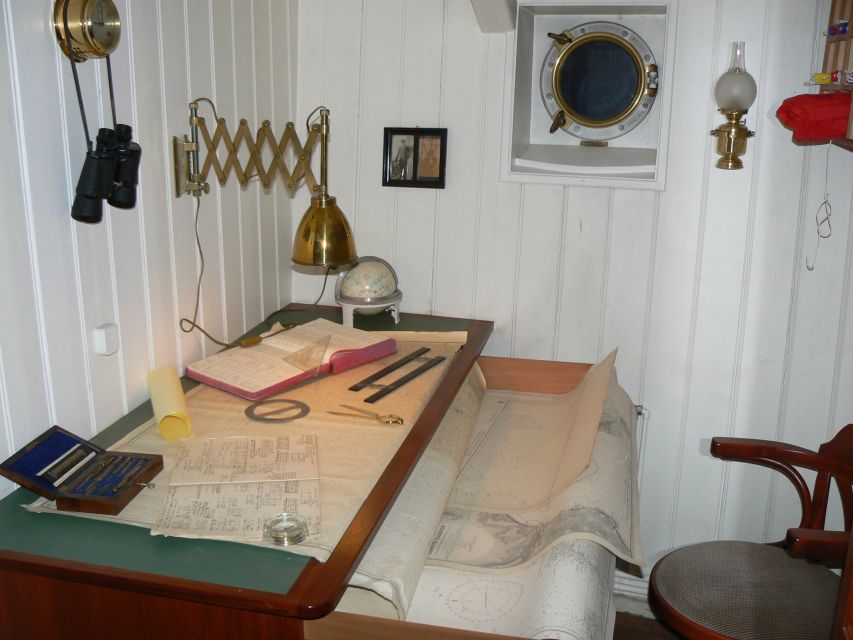
- Crew and Officers’ Quarters: The Best Part of the Story
- Maritime Exhibitions and Rotating Displays: Where Art Meets Sailor Life
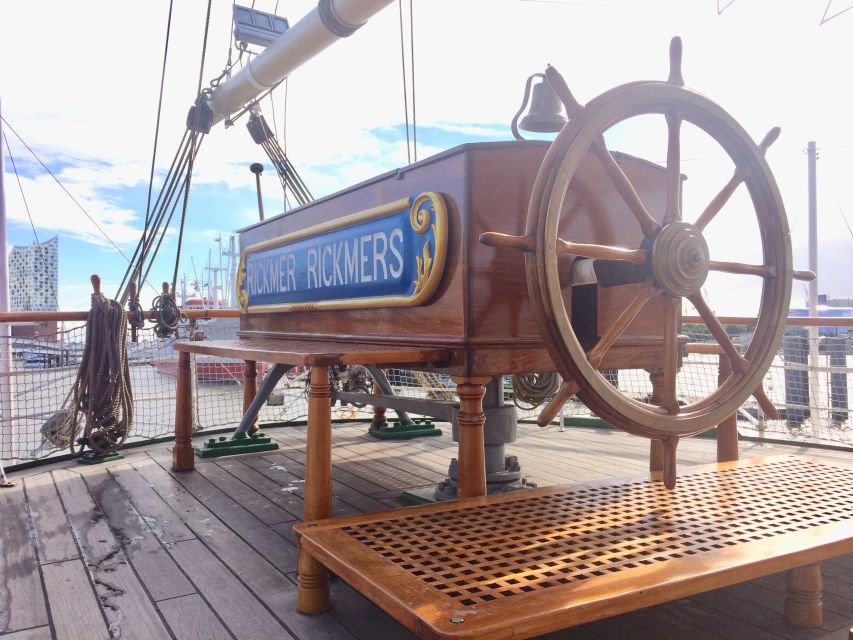
- Deck Time: Panoramic Views Over the Hamburg Port
- Honorary Captains and Maritime Traditions: The Human Side of the Ship
- Price and Value: Getting Full Ship Access for Around $8
- Practical Tips for a Smooth Visit
- Who Should Book This Museum Ship Ticket?
- Should You Book the RICKMER RICKMERS Entry Ticket?
- FAQ
- FAQ
- Where is the RICKMER RICKMERS located in Hamburg?
- How long does the museum entry last?
- What is included with the museum entry ticket?
- Is food included in the ticket price?
- Can I bring a baby stroller?
- Is the museum ship suitable for wheelchair users?
- What price should I expect to pay?
- Do I need to choose a specific start time?
- Is free cancellation available?
- Can I reserve now and pay later?
Key Things to Know Before You Go
- Real windjammer life in restored spaces, not just display cases
- Crew and officers’ quarters help you understand how roles shaped life onboard
- Changing exhibitions and photography add variety while you’re on the ship
- Deck views over Hamburg port turn the walk-through into a sightseeing stop
- Honorary captains add a human, tradition-focused layer to the story
- Affordable entry price that still includes full ship access and a booklet
Rickmer Rickmers in Hamburg Harbor: A Museum Ship That Actually Feels Like a Ship
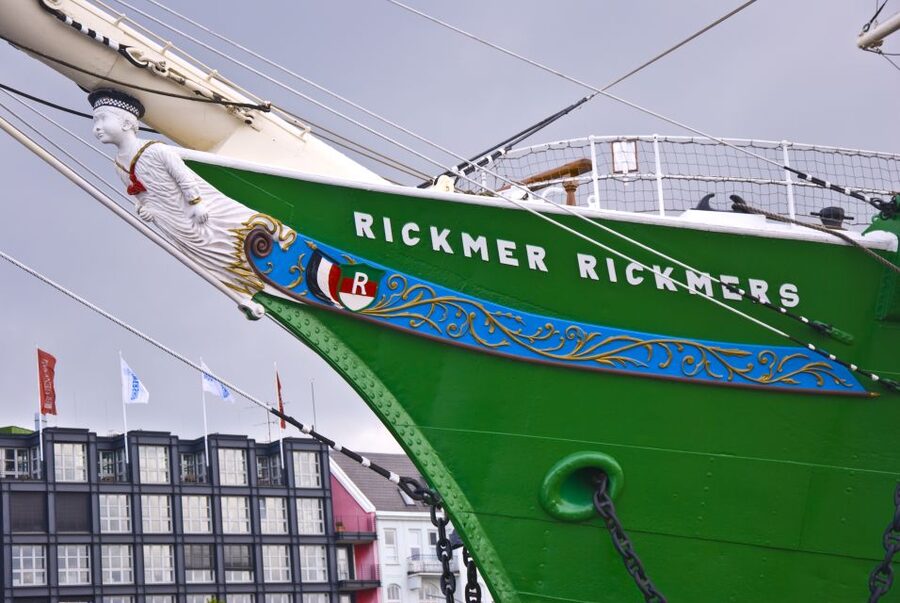
Hamburg’s RICKMER RICKMERS is a big deal for people who like maritime details—because it’s not a scaled-down model behind glass. This is a three-master windjammer that was built in a German shipyard and used as a merchant ship. Now it’s anchored in the heart of the port and turned into a walk-through museum, so you experience the space the way sailors would have: corridors, rooms, and working areas laid out for living and duty, not for tourism comfort.
What makes it especially interesting is the way it handles the “history” part. Instead of only telling you dates and names, the ship layout guides you through daily life onboard. You’ll also see a mix of restored maritime objects and rotating displays that keep things from feeling like a single static exhibit.
Also, it’s hard not to enjoy the setting. Even if you’re not a sailing-ship fanatic, you get those big harbor views directly from the ship, which makes the visit feel like part museum, part city sightseeing.
More hours out on the harbour and the Elbe


Your Ticket Gets Full Access: Museum Areas, Exhibitions, and the Onboard Restaurant
Your museum entry ticket gives you full access to the ship’s exhibition and museum areas. That matters because you don’t have to pick and choose. You can do the full walk-through route and take your time in the rooms that interest you most.
Inside, the ship is organized into three main areas:
- Museum area: This is where the ship’s history and onboard life are presented with meticulous restoration. Think of it as the “foundation” section that sets the scene.
- Exhibition area: This is where you’ll find a mix of restored nautical objects plus temporary art exhibitions and photography displays. This section is great if you like seeing how different curators interpret seafaring themes.
- Onboard restaurant: The ship also has a place to sit down and eat. The key point is that food and drinks are not included with your ticket, but the restaurant is an easy way to make the visit feel like a full outing instead of a quick walk.
In practical terms, this layout helps you avoid “museum fatigue.” You can start with the restored history, shift to exhibits (where the content can change), then take a break at the restaurant when you’re ready.
Museum History on Board: What the Restored Spaces Teach You
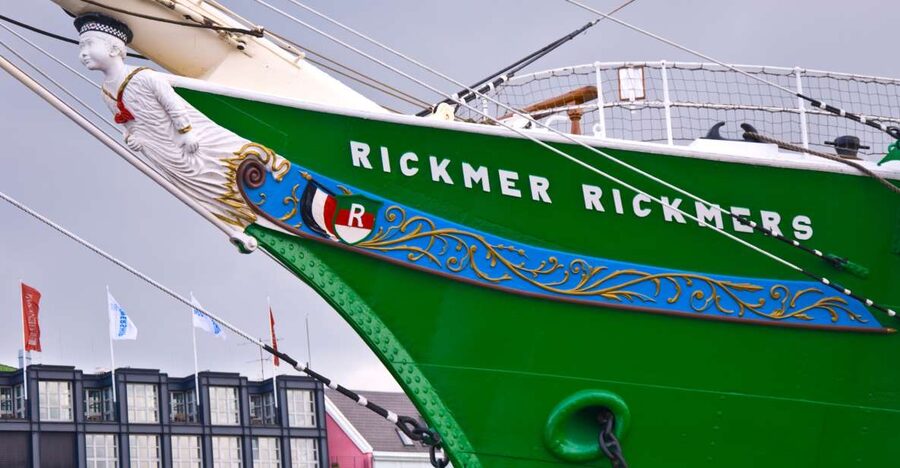
In the museum area, the goal is clarity. You’re not just looking at objects—you’re learning how onboard life was shaped by the ship itself. The restoration is described as carefully done, and that’s exactly what you should expect to appreciate once you’re standing in the spaces.
For many visitors, the most valuable part of a maritime museum is understanding the difference between:
- what you imagine sailing was like, and
- what the ship layout actually required day after day.
The RICKMER RICKMERS helps close that gap. As you move through the restored sections, you get a sense of organization—where people lived, where duties likely happened, and how the ship’s design supported work on a merchant sailing ship. It’s the kind of museum that makes “windjammer life” feel concrete instead of abstract.
One small practical note: plan on wearing comfortable shoes. The ship is a ship—so you’ll be doing plenty of walking on decks and through interior spaces.
Crew and Officers’ Quarters: The Best Part of the Story
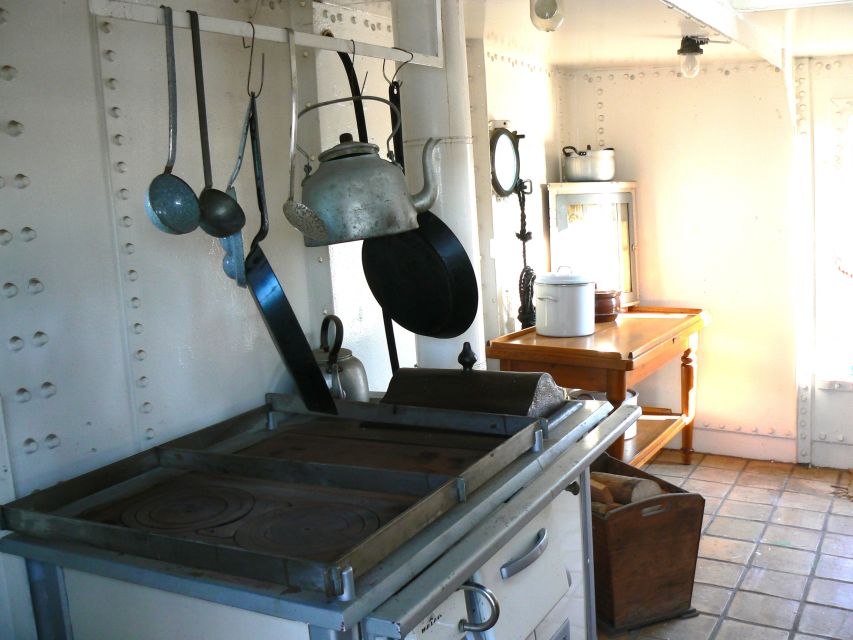
If you’re wondering where the value is, start with the crew and officers’ quarters. These areas are specifically highlighted because they’re restored in a way that helps you understand life onboard. You see how the ship housed different ranks and how daily living would have been tightly connected to the working reality of a merchant ship.
This is where the museum becomes more than pretty exhibits. It gives you a human scale to maritime history. Roles mattered onboard: what people did, what spaces they had, and how routines played out in a confined environment. Even if you don’t know much about sailing ships, the restored quarters help you read the ship like a living system.
And here’s the best part for practical travelers: you don’t need a guide to appreciate what’s happening. The spaces themselves do the explaining. You just follow the flow of the ship, pay attention to how rooms relate to the rest of the ship, and take your time in the areas that feel most interesting.
Maritime Exhibitions and Rotating Displays: Where Art Meets Sailor Life
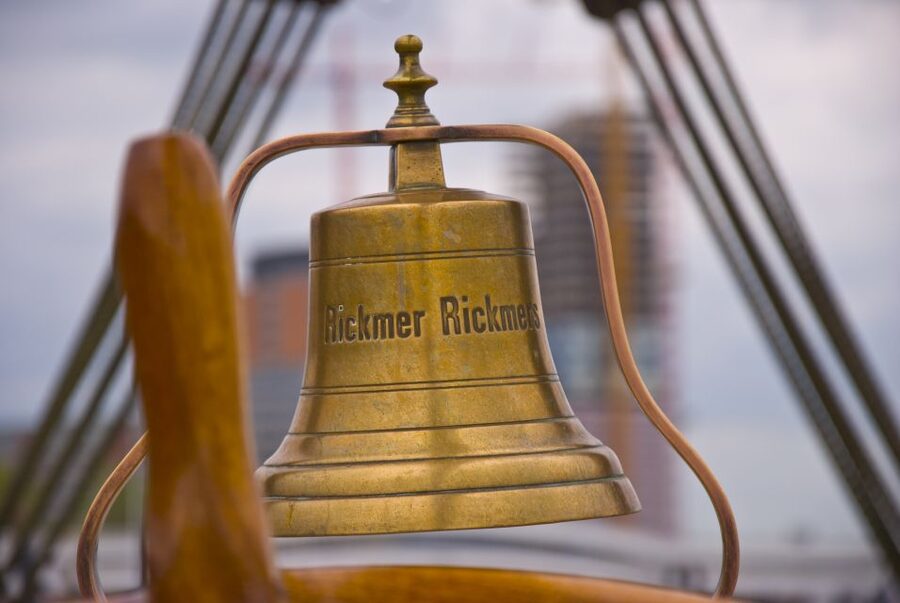
Beyond the restored core, the exhibition area gives you a change of pace. You’ll see restored nautical objects, plus temporary art exhibitions and photography displays. That mix is a smart move for a museum ship because it prevents the visit from turning into a single long reenactment.
If you’re the kind of person who enjoys photography, you’ll likely like this section most. Photos can show ships, people, and seafaring themes in a way that feels fresh even if you’ve seen plenty of museum artifacts before. And because these exhibitions can rotate, you’re not stuck viewing exactly the same content every time someone goes.
This is also a good section if you want a break from deep historical details. You can let your attention shift from “how it worked” to “how it was seen,” which makes the overall experience feel more balanced.
More to see indoors, tickets sorted



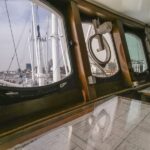

Deck Time: Panoramic Views Over the Hamburg Port
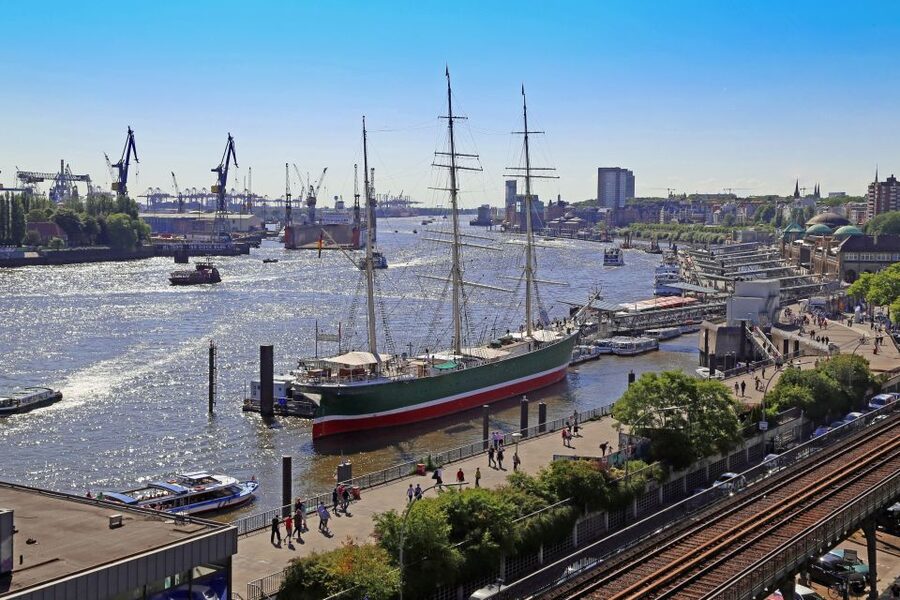
Don’t rush the ship’s upper areas. One of the big highlights is the panoramic skyline views you can enjoy onboard. This is the moment where the museum stops feeling like a closed world and becomes part of Hamburg outside.
The harbor views are valuable for two reasons:
- They put the ship back into its real setting—Hamburg as a port city.
- They give you a natural reward for walking through the interior spaces first.
If you time it well, you can also use deck views as a reset point. After museum rooms and exhibitions, stepping out for the wide views makes everything feel lighter and more fun.
Honorary Captains and Maritime Traditions: The Human Side of the Ship
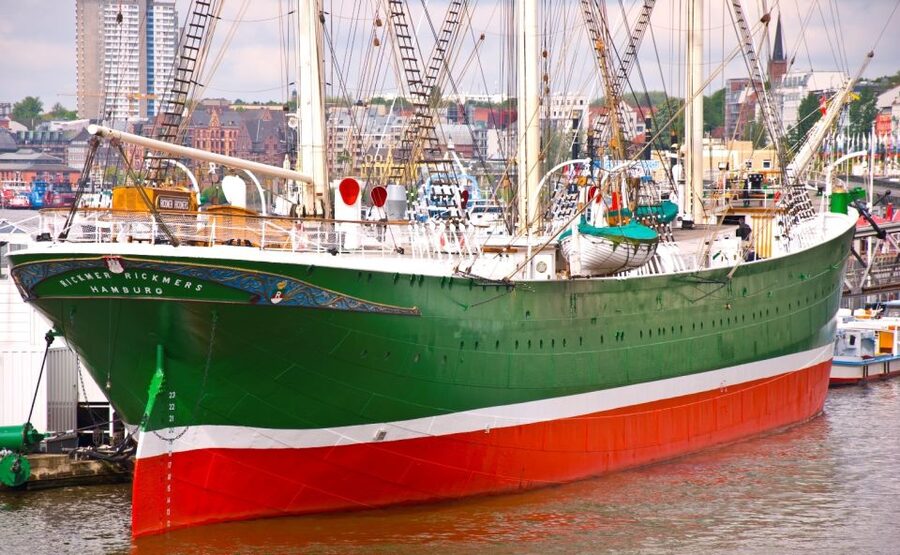
The museum doesn’t just treat the RICKMER RICKMERS as an engineering object. It also includes information about the honorary captains of the ship. That might sound like a small detail, but it adds a layer of tradition and storytelling.
Why this matters: ships like this are community symbols. Honorary roles help people connect the restored vessel to real maritime culture and the people who keep its story alive. Even if you’re focused on the ship itself, this section adds context that makes the museum feel less like a standalone exhibit and more like a living piece of Hamburg’s relationship with the sea.
Price and Value: Getting Full Ship Access for Around $8
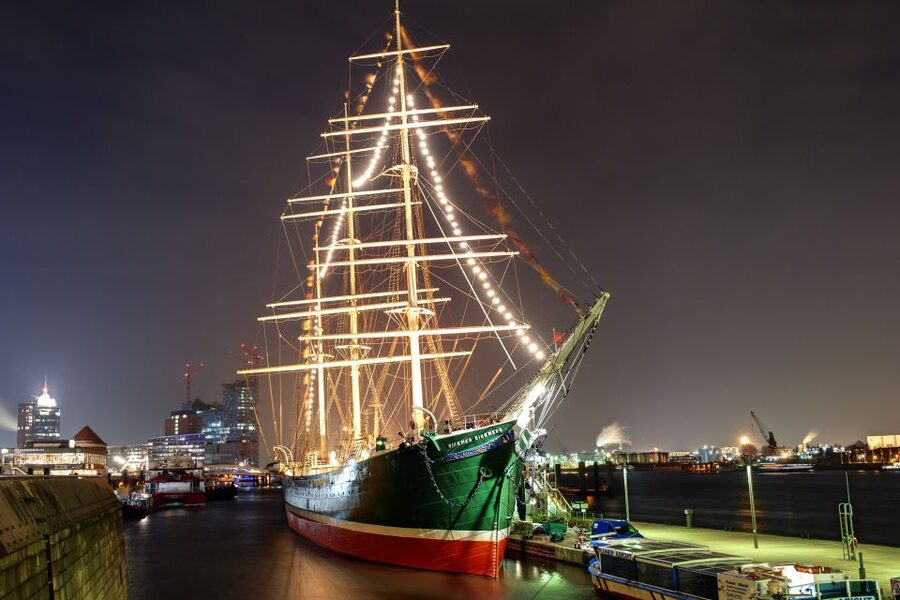
At about $8 per person, this is one of those museum experiences that feels easy to justify. The ticket isn’t a gimmick either. It includes full access to the ship’s museum and exhibition areas and an information booklet. For the time you can spend onboard—planned as a 1-day visit—that’s strong value.
Here’s how to think about it:
- You’re paying for a real ship experience, not just a single gallery.
- You get enough structure (museum area + exhibition area + onboard areas) to fill a meaningful visit.
- You can combine it with a meal on the ship, even though food and drinks are not included.
If you’re building a Hamburg day around port sights and maritime culture, this ticket is a cost-effective anchor.
Practical Tips for a Smooth Visit
A few small choices make the day more comfortable.
Bring comfortable shoes. That’s the clearest advice in the provided info, and it matches how any ship museum feels—more walking surfaces, more time spent standing and moving between rooms.
Plan around the ship’s access limits. The experience is not suitable for people with mobility impairments and wheelchair users. Also, baby strollers are not allowed. If you’re traveling with kids, you’ll want to keep things light and stroller-free.
Use Landing Bridge 1 as your start point. The ship is located at Landing Bridge 1, and you should follow signs to the entrance area. Showing up with that address in your head reduces stress, especially in a busy port zone.
Give yourself time to not speed-run it. The ship has multiple sections, plus changing exhibitions and deck views. If you treat it like a quick checkmark, you’ll miss the value of seeing the quarters and taking in the port from the deck.
Who Should Book This Museum Ship Ticket?
This entry ticket is a great match if you:
- like maritime history but also want a hands-on, physical setting
- enjoy restored spaces and want to understand how people lived onboard
- want a low-cost activity in Hamburg that feels like a real destination, not just a stop
It’s also a good pick if you’re traveling with mixed interests. Someone can focus on the ship’s restoration and quarters, while someone else can enjoy the temporary art/photography and deck views.
You should probably choose something else if:
- you need wheelchair access or have mobility limitations
- you rely on baby strollers for getting around
Should You Book the RICKMER RICKMERS Entry Ticket?
Yes—if you want an easy, value-packed Hamburg experience that blends restored maritime life with real port views. The ticket works well because you get full access to the museum and exhibition spaces, plus an information booklet, all for a low price.
Book it if you enjoy details, like learning how a ship functioned as a home and workplace, and you don’t mind doing a fair amount of walking on a ship. Skip it if accessibility needs don’t match what the museum ship can provide.
FAQ
FAQ
Where is the RICKMER RICKMERS located in Hamburg?
The ship is located at Landing Bridge 1. Follow the signs to the entrance area.
How long does the museum entry last?
The ticket is valid for 1 day.
What is included with the museum entry ticket?
Your ticket includes entrance to the ship with full access to the exhibition and museum area, plus an information booklet.
Is food included in the ticket price?
No. Food and drinks are not included, but there is an onboard restaurant.
Can I bring a baby stroller?
No. Baby strollers are not allowed.
Is the museum ship suitable for wheelchair users?
No. It is not suitable for people with mobility impairments or wheelchair users.
What price should I expect to pay?
The price is listed at $8 per person.
Do I need to choose a specific start time?
The ticket is valid 1 day, but starting times depend on availability, so you should check what’s offered.
Is free cancellation available?
Yes. You can cancel up to 24 hours in advance for a full refund.
Can I reserve now and pay later?
Yes. There’s a reserve now & pay later option where you can book and pay nothing today.
More Tour Reviews in Hamburg



More Hamburg Museums & Tickets
More Harbour Tours & Elbe Cruises



Just In: The Newest Hamburg Reviews











Grand Harbor Tours & Elbe Cruises, compared.
 ★ 4.61.5-Hour Harbor and Speicherstadt Day CruiseFrom $4014,200 reviews
 ★ 4.72-Hour XXL Port of Hamburg Cruise TourFrom $476,979 reviews
 ★ 4.41-Hour Harbor Evening Lights CruiseFrom $304,861 reviews
 ★ 4.41-Hour Harbor Sightseeing Cruise with HafenCityFrom $303,067 reviews
 ★ 4.61-Hour Harbor CruiseFrom $282,283 reviews
 ★ 4.21.5h Grand Harbor Evening Lights CruiseFrom $281,316 reviews
 ★ 4.5Hop-On Hop-Off Bus with Alster or Harbor CruiseFrom $44812 reviews
 ★ 4.7Harbor Cruise with Wine and CheeseFrom $49795 reviews
Browse the lists this tour appears in