
Reviewed · HAMBURG MUSEUMS & LANDMARK TICKETS
Hamburg: Kunsthalle Entrance Ticket
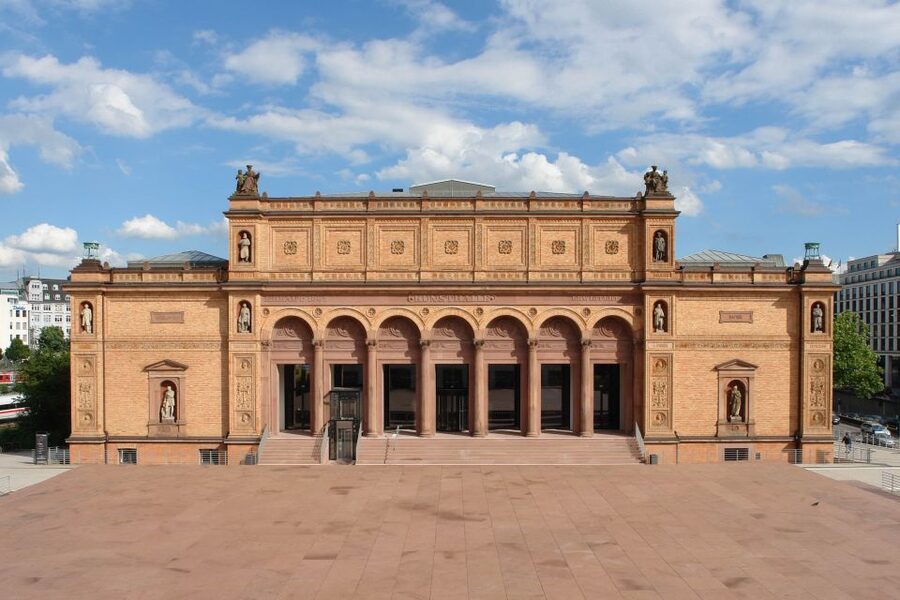
Eight centuries of art, one calm walk. The Hamburger Kunsthalle is one of northern Europe’s big hitters, and it turns European art history into a single, satisfying route from medieval painting to contemporary voices. I love the chance to see Caspar David Friedrich’s Wanderer above the sea of fog in person, and I also like that the museum pairs famous names with lesser-known regional masters in the same visit. The one drawback: to do it justice, you’ll need real time and a plan, or you’ll feel the collections blur together.
Here’s the good part for your day: the permanent collection is built around time periods, so you can “clock in” where your interests land and still catch the museum’s big moments. You’ll also see special exhibitions that add fresh context and can change what your visit feels like from week to week.
For a practical heads-up, expect to manage bags and backpacks. Larger items must be deposited in lockers, and the audio guide option has a small catch if you choose the loan device at the desk.
In This Review
- What Makes the Kunsthalle Ticket Worth $21
- 8 Key Things You’ll Notice Right Away
- Finding Your Rhythm on Day One (and Not Getting Trapped in a Rushed Loop)
- Old Masters: From Medieval Altarpieces to Renaissance Powerhouses
- The practical catch in Old Masters
- Dutch Golden Age and the Skill of Seeing
- A simple strategy
- 19th Century Art: Where Friedrich Leads the Mood
- Make it work for your day
- Modern Art (Brücke to Beckmann): When Style Gets Serious
- Don’t try to like everything
- Contemporary Art: Warhol, Richter, and the Now Conversation
- A good way to end your visit
- Audio Guide Options: Device at the Desk or the Free App
- My practical tip
- Café Das Liebermann and The Cube: Where Your Break Feels Designed
- When to eat
- How Long You Really Need for 8 Centuries
- Who This Ticket Is Best For
- Should You Book the Hamburg Kunsthalle Entrance Ticket?
- FAQ
- What is included with the Hamburger Kunsthalle entrance ticket?
- How much does the ticket cost?
- How long is the ticket valid for?
- Is an audio guide included?
- What languages are available for the audio guide?
- Can the audio guide be used for special exhibitions?
- Do I need to worry about bags or luggage?
- Is the museum wheelchair accessible?
What Makes the Kunsthalle Ticket Worth $21
The ticket is priced around $21 per person for a full day, and it covers access to the permanent collection. That’s strong value if you like serious art but don’t want to spend an entire day only looking at one artist or one style.
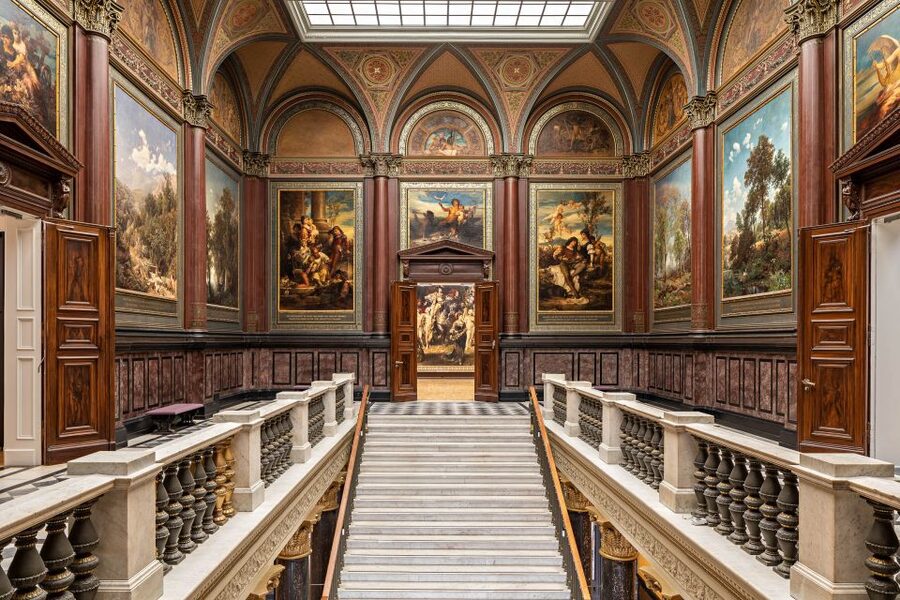
The museum’s strength is its range across periods: medieval and Renaissance works sit beside Dutch Golden Age painting, then you step into the 19th century with major German painters, and later you see early 20th-century modernism grow more intense. Finally, the contemporary section brings you right up to artists people talk about now, including names that show up in global art conversations.
If you’re the type who likes to make connections—how ideas about light, realism, and expression change over time—you’ll likely find your brain staying awake through the whole route.
8 Key Things You’ll Notice Right Away
A time-based collection that stays organized for your brain
Instead of random rooms, you’re guided through Old Masters → 19th century → Modern → Contemporary.
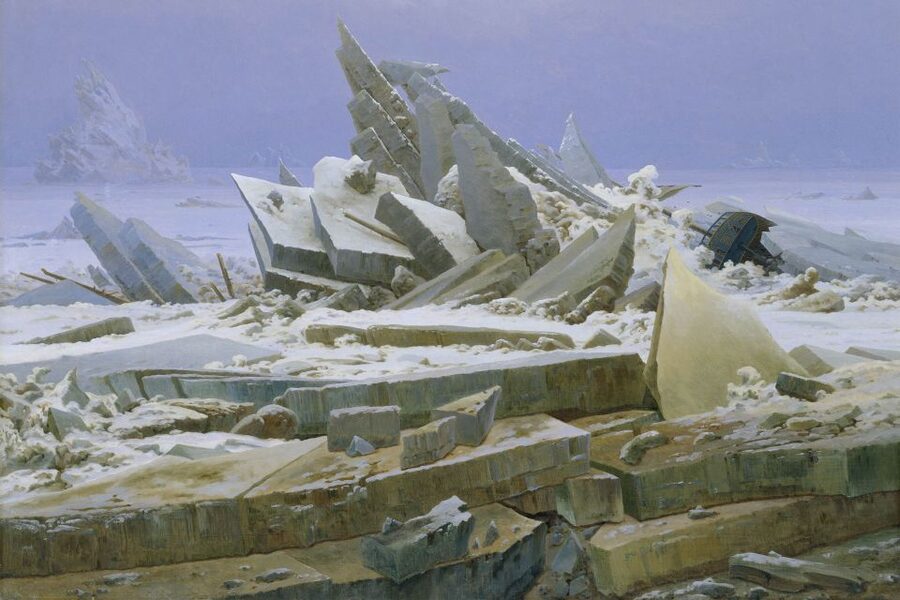
Friedrich’s Wanderer is a real anchor
The museum highlights Caspar David Friedrich’s major holdings, including the famous Wanderer above the sea of fog.
Northern German medieval painting gets real space
Look for altarpieces tied to Bertram von Minden and Master Francke.
Renaissance and Reformation-era painters are front and center
You can connect Lucas Cranach the Elder, Hans Holbein, and Paris Bordone to what came next.
Dutch Golden Age helps you slow down
Artists like Rembrandt van Rijn, Pieter de Hooch, and Anton van Dyck make the 17th century feel immediate.
Brücke and the early 1900s energy shows up
The Modern collection includes Brücke works plus names like Edvard Munch and Paul Klee.
Contemporary art includes major international names
You’ll encounter artists such as Bruce Nauman, Gerhard Richter, Jenny Holzer, Nan Goldin, Andy Warhol, Richard Serra, and Sigmar Polke.
Café breaks are built into the art experience
You can take a pause in Das Liebermann and grab views from The Cube.
More to see indoors, tickets sorted


Finding Your Rhythm on Day One (and Not Getting Trapped in a Rushed Loop)
With any museum that covers eight centuries, your biggest enemy is speed. I suggest you start with one “must-see” moment, then treat everything else as supporting evidence.
A smart approach is to pick your entry point:
- If you love mood and symbolism, begin with the 19th century rooms where Friedrich and friends lead the way.
- If you want technique and religious storytelling, start in Old Masters territory.
- If you’re here for modern ideas, begin with the first half of the 20th century and then backtrack.
Once you start moving, you’ll notice the museum’s layout helps you compare eras without too much back-and-forth. That matters because art history can otherwise feel like a checklist.
Also, plan for storage. Bags larger than DIN A4, backpacks, umbrellas, and bigger items like suitcases need depositing. Lockers are available, so build a minute or two into your start time.
Old Masters: From Medieval Altarpieces to Renaissance Powerhouses
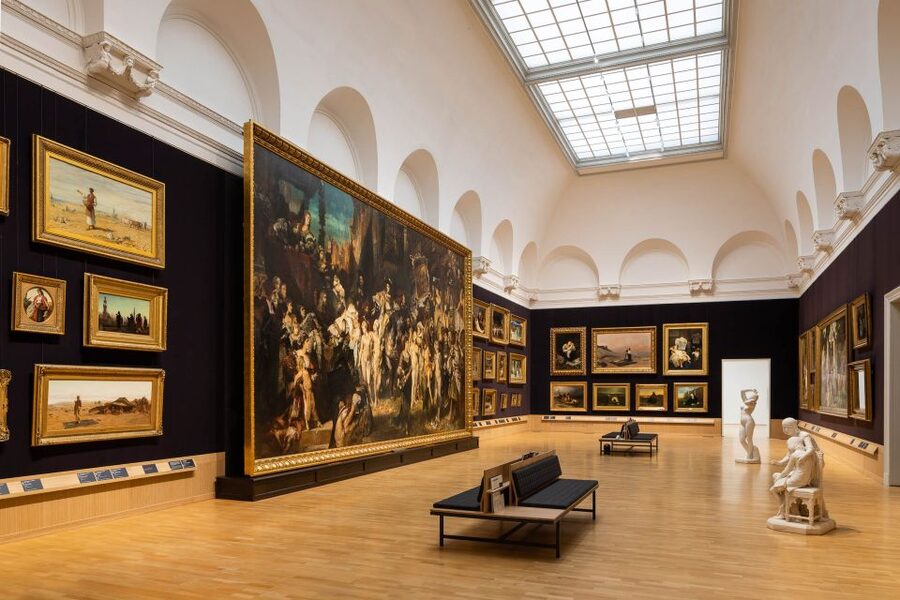
The Old Masters area is where the museum shows you how European art “learned” to build scenes—composition, symbolism, perspective, and realism.
You’ll want to look for northern German medieval painting highlights, including altarpieces linked to Bertram von Minden and Master Francke. Even if medieval art isn’t your default, these works are worth your attention because they teach how strongly art functioned as storytelling and devotion.
Then the experience shifts into the European Renaissance and adjoining territories. This is where you can track a change in style and subject matter, and see how artists approached the human figure and space. Key names include Lucas Cranach the Elder, Hans Holbein, and Paris Bordone.
One thing I like about this part of the museum is that it doesn’t just drop famous names on you. The periods feel linked: you can sense what changed, and what stayed.
The practical catch in Old Masters
The Old Masters section is packed with details, and it’s easy to let your eyes skate. If you tend to move fast, slow down for just a few standout works. Pick two or three and spend real time there. That gives you a base to understand the rest of the rooms.
Dutch Golden Age and the Skill of Seeing
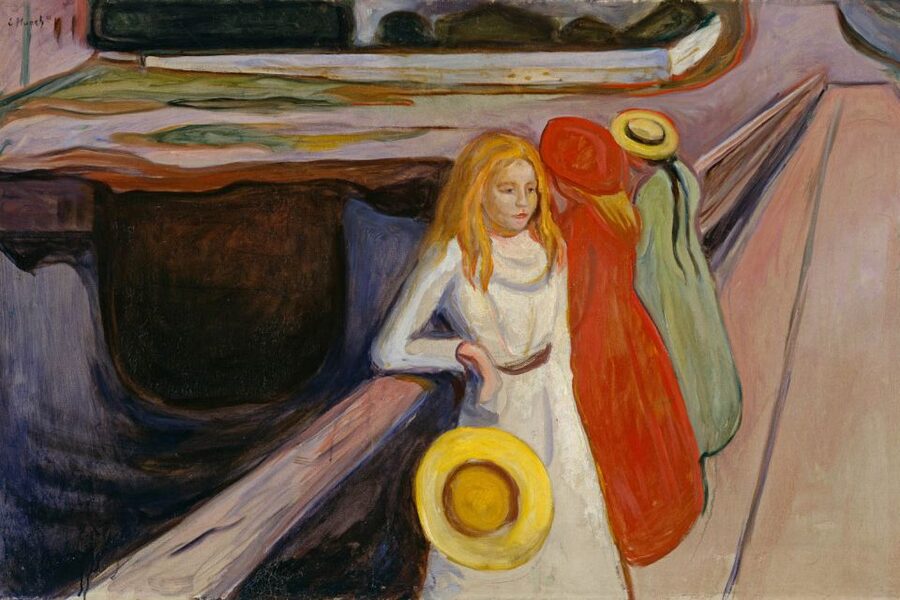
After the Renaissance energy, you hit the Dutch Golden Age. This shift is great if you like painting that feels close to daily life while still being carefully constructed.
Look for major works by Rembrandt van Rijn, Pieter de Hooch, and Anton van Dyck. This trio alone can show you different “styles of attention”: faces and psychology, light and domestic atmosphere, and portrait power.
What you’ll likely feel here is a different kind of confidence. The paintings often reward close looking, but they’re not stuck in puzzles. You can stand back and still enjoy the scene, then step in and notice how the artist built it.
More tickets and skip-the-line entries





A simple strategy
If you get tired, don’t force it. Choose one painter to focus on for 20 to 30 minutes. When you leave that mini-zone, you’ll be more confident in what you saw instead of feeling like you passed through.
19th Century Art: Where Friedrich Leads the Mood
The museum’s 19th-century holdings are among the most significant of their kind, especially for German painting. This is the section where the museum can feel like it’s talking directly to your emotions, not just your eyes.
Expect extensive works by Caspar David Friedrich, along with Philipp Otto Runge and Max Liebermann. Friedrich’s presence is so prominent that the museum becomes a destination if you’ve ever seen reproductions and wondered what it feels like in real scale.
You’ll also see pivotal works connected to French Realists and Impressionists. That matters because it gives you context: German art didn’t evolve in a vacuum, and seeing different approaches side-by-side helps you understand why European painting changed so quickly in the century.
Make it work for your day
If you’re spending one day only, this is usually the best “anchor” area to center your schedule around. Even if you don’t love every style, these rooms tend to leave people with at least one strong memory.
Modern Art (Brücke to Beckmann): When Style Gets Serious
The museum’s Modern Art collection covers the first half of the 20th century and it brings a sharper edge to everything you’ve seen so far. This is where art starts breaking rules more visibly—how form is used, how color gets used, and how emotion becomes part of the picture’s structure.
You’ll find standout works from the Brücke group, plus major names like Edvard Munch, Paul Klee, Wilhelm Lehmbruck, Paula Modersohn-Becker, Lovis Corinth, and Max Beckmann.
What I like here is that modern art doesn’t feel like one genre. It feels like multiple ways of asking the same question: What does it mean to see the world honestly, especially when the world is changing fast?
Don’t try to like everything
Modern art can be polarizing, and that’s fine. In these rooms, I recommend choosing two works and treating them like conversations. Ask yourself what you find unsettling or compelling. That mindset tends to make the art click, even when you’re not falling in love with every piece.
Contemporary Art: Warhol, Richter, and the Now Conversation
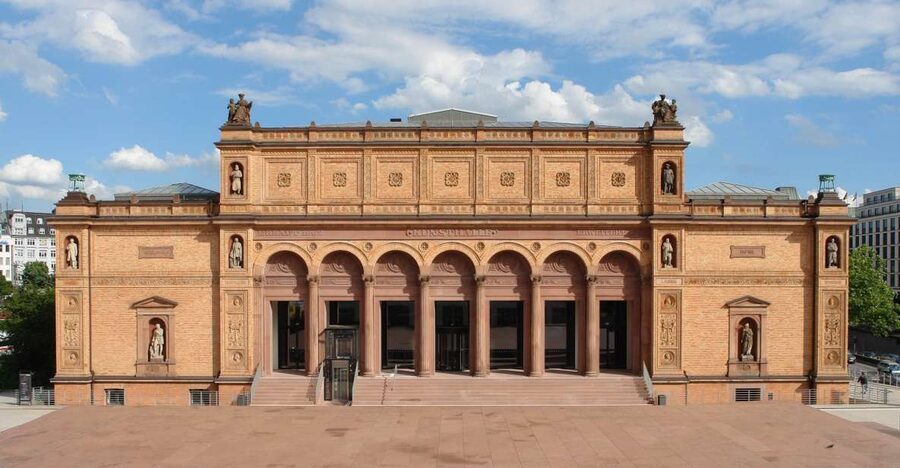
The museum’s international Contemporary Art collection brings big names into your line of sight—artists you’ve probably seen in other European collections and in books.
Here you can find works by Bruce Nauman, Gerhard Richter, Jenny Holzer, Nan Goldin, Andy Warhol, Richard Serra, and Sigmar Polke. This section is valuable because it changes the rhythm of your day. You’re no longer learning art history by eras; you’re seeing the questions modern life asks art right now.
Some people hit contemporary and feel a little lost. If that happens, try this: don’t hunt for the one “correct” interpretation. Look for what the work does to your attention—what it repeats, distorts, confronts, or refuses to explain.
A good way to end your visit
If you’re thinking about how to end your day, contemporary art is often a strong finale because it leaves a question in your mind. And after walking eight centuries, you’ll feel the contrast more clearly.
Audio Guide Options: Device at the Desk or the Free App
An audio guide can seriously improve how your visit lands, especially because the museum spans huge time jumps. The museum offers audio guides for tours through the collection area and for the current special exhibitions.
You have two ways to use it:
- A loan device at the ticket desk, with a €6 fee
- The Hamburger Kunsthalle app, which you download for free
The guide is available in German and English. If you care about context—why certain works matter, how themes connect—this is a smart add-on. If you prefer quiet time, you can skip it and rely on your own looking.
My practical tip
If you do choose the audio guide, start early and use it selectively. Let it support the rooms you’re most curious about, rather than turning your whole day into background narration.
Café Das Liebermann and The Cube: Where Your Break Feels Designed
You don’t have to treat the café as a pause you rush through. This museum builds in breaks that match the setting.
Das Liebermann is a refurbished café returned to its former location in the impressive pillared hall. It’s a good choice for a drink or snack when you want a calm reset without leaving the museum world.
Then there’s The Cube in the Gallery of Contemporary Art. It’s a crossover cuisine spot with a focus on regional flavors, and it also offers one of the best views of the Inner Alster Lake. For food with a view, this is the easiest win.
Daytime you’ll find snacks and lunch options, and in the evening it moves to an à la carte dinner menu.
When to eat
If you’re trying to cover a lot, eat mid-visit. You’ll come back with fresh attention for the later sections, especially Modern and Contemporary where the tone can feel heavier.
How Long You Really Need for 8 Centuries
The ticket is valid for 1 day, and there can be starting times based on availability. So don’t plan on a quick browse if you want the museum to make sense.
If you like art but don’t want to get lost in details, aim for a steady pace:
- Spend meaningful time in one or two eras
- Use the rest as reinforcement, not as equal-weight targets
If you’re an art-history person or you like close looking, you’ll want longer. The good news is the museum’s time-period structure helps you pace yourself.
Also, remember that special exhibitions can add extra stops. If one exhibition theme hooks you, you may want to let it influence your route.
Who This Ticket Is Best For
You’ll probably love this museum if:
- You want a one-day art fix across many periods
- You like seeing how European art changes over time
- You want famous highlights without skipping the local/less obvious masters
- You don’t mind planning a bit so the day feels coherent
It’s also a strong pick if you’re visiting Hamburg and want something more grounded than just sightseeing. The museum gives you a mental map of Europe through visual storytelling.
If you only want one narrow niche, like only impressionism or only contemporary, you might still have a great time—but you’ll likely wish you had more days to go deeper in one lane.
Should You Book the Hamburg Kunsthalle Entrance Ticket?
Yes, I’d book it if you want value for money plus real variety. For around $21, you get entry to a permanent collection that spans eight centuries, plus access to special exhibitions and the option to add an audio guide through the free app or a small desk device fee.
I’d hesitate only if you’re the type who needs structure to enjoy museums at all. If you tend to rush, you can end up skimming big names and missing why the eras matter. The fix is simple: pick one anchor work or one era before you go, then let the rest support that focus.
In short: this is the kind of ticket that rewards a calm plan. If you build a route around what you care about, you’ll leave with more than photos. You’ll leave with connections.
FAQ
What is included with the Hamburger Kunsthalle entrance ticket?
The ticket includes entry to the Hamburger Kunsthalle and access to the permanent collection.
How much does the ticket cost?
The price is listed as $21 per person.
How long is the ticket valid for?
The ticket is valid for 1 day. You should check availability to see starting times.
Is an audio guide included?
An audio guide is not automatically included with the ticket price. Audio guides are available at the ticket desk as a loan device for a €6 fee, or you can use the Hamburger Kunsthalle app.
What languages are available for the audio guide?
The audio guide is available in English and German.
Can the audio guide be used for special exhibitions?
Yes. Audio guides are offered both for tours through the collection area and for the current special exhibitions.
Do I need to worry about bags or luggage?
Yes. Bags larger than DIN A4, backpacks, umbrellas, and larger items like suitcases and trolleys must be deposited. Lockers are available.
Is the museum wheelchair accessible?
Yes, the museum is wheelchair accessible.
Hamburg Tickets & Entries

More Tour Reviews in Hamburg





More Hamburg Museums & Tickets
Just In: The Newest Hamburg Reviews









Hamburg Museums & Landmark Tickets, compared.
 ★ 4.7Hamburg Dungeon Admission TicketFrom $335,745 reviews
 ★ 4.3Ticket to the Panoptikum WaxworksFrom $112,489 reviews
 ★ 4.0Hard Rock Cafe Skip-the-Line MealFrom $36945 reviews
 ★ 4.7International Maritime Museum Entrance TicketFrom $16547 reviews
 ★ 4.7Entrance to the Museum Ship Cap San DiegoFrom $14467 reviews
 ★ 4.5Hamburg Dungeon Admission TicketFrom $33438 reviews
 ★ 4.9Dialog im Dunkeln (Dialogue in the Dark)From $28392 reviews
 ★ 4.3Hamburger Bahnhof Museum Entrance TicketFrom $16279 reviews
Browse the lists this tour appears in