
Reviewed · HAMBURG MUSEUMS & LANDMARK TICKETS
Hamburg: Automuseum PROTOTYP ticket
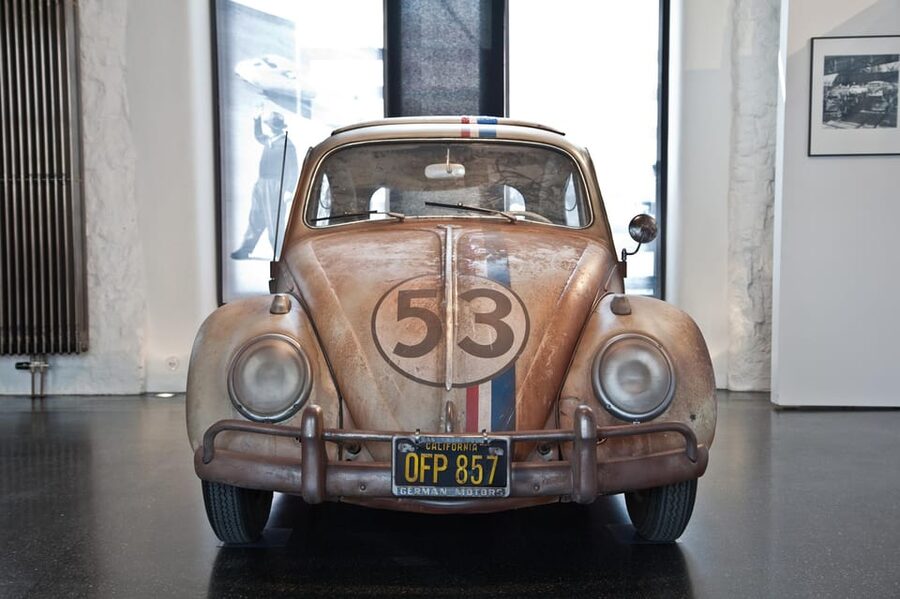
A museum ticket that turns into a race day. That’s the vibe at Automuseum PROTOTYP in HafenCity. You spend a full day with sports-car and racing legends told through cars, design, and the people behind the risk.
What I like most is the way it connects machines to real racing adventures, from the Porsche Type 64 era all the way to modern Formula 1. I also like that you can aim for your own best time in the Porsche 365 driving simulator, which makes the visit feel more active than just looking.
One thing to consider: if you already know major auto museums in Stuttgart, this one may feel less spectacular in scale, and the simulator and the orange Porsche seating spot can be busy.
In This Review
- Key things to know before you go
- Getting oriented at Shanghaiallee 7, 20457
- What you actually get with the PROTOTYP ticket
- The museum’s core idea: cars as people stories
- The 1939-to-Formula-1 sweep you’ll want to plan around
- Graf Trips and Prof. Porsche: why the names matter
- The Porsche 365 driving simulator: your personal best moment
- The orange Porsche moment and why it can get crowded
- How to pace your visit in about a day
- Museum value for $15: what makes it feel worth it
- When it’s a great match (and when it’s not)
- Practical planning tips from real-life experience
- The neighborhood bonus: pair it with Hamburg landmarks
- Should you book the Automuseum PROTOTYP ticket?
- FAQ
- How long is the Automuseum PROTOTYP ticket valid?
- Where do I enter the museum?
- What does the ticket include?
- What are the opening hours?
- What languages are available?
- Is there wheelchair access?
- How much does it cost?
Key things to know before you go
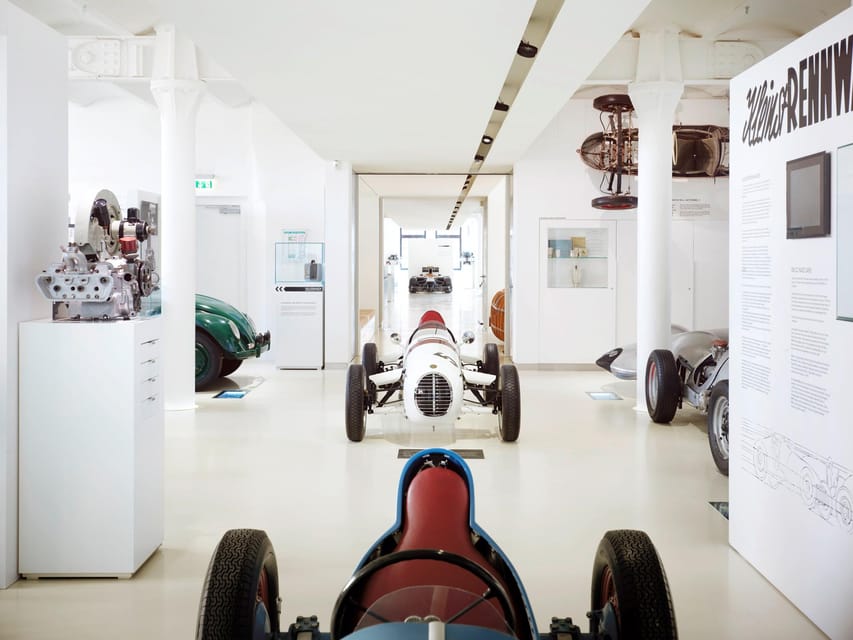
- 80+ years of sports and racing cars shown in one pass, from 1939 to modern Formula 1
- Insider stories focused on inspiring people, creativity, and taking risks
- Porsche 365 driving simulator where you can set your personal best
- Racing names you’ll recognize, including Graf Trips and Prof. Porsche
- Near Elbphilharmonie and Speicherstadt, handy if you’re building a HafenCity day
Getting oriented at Shanghaiallee 7, 20457
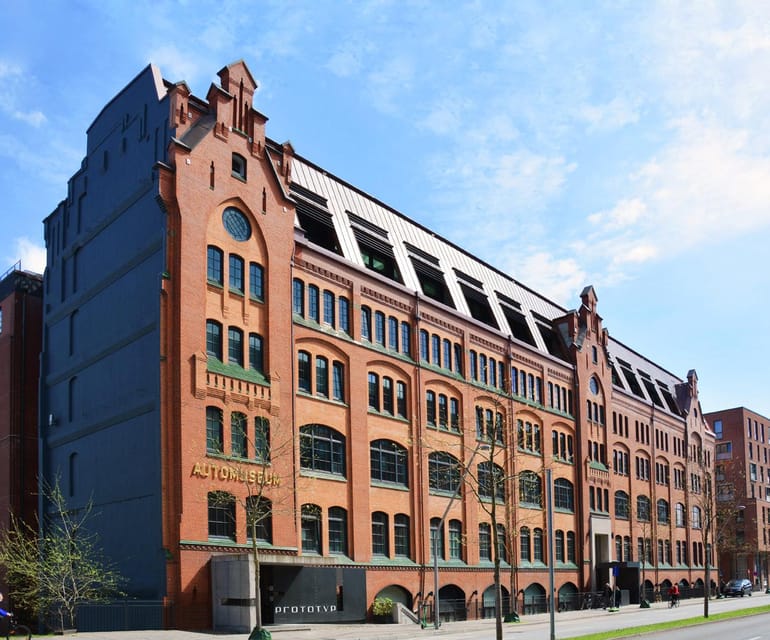
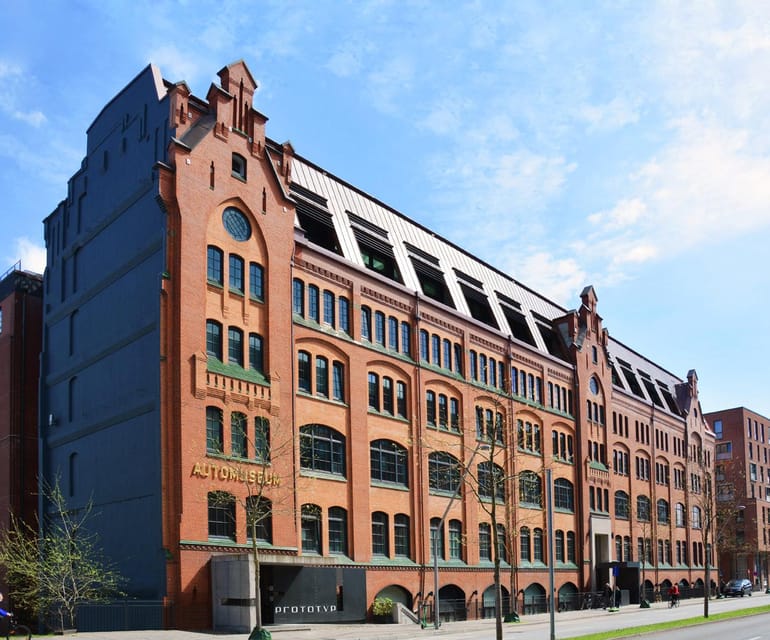
Automuseum PROTOTYP is located in the heart of HafenCity, close to the Elbphilharmonie and the UNESCO World Heritage Site Speicherstadt. That location matters because it’s easy to pair this with a classic Hamburg walking loop instead of turning it into a separate, time-consuming outing.
Plan to go straight to the museum entrance at Shanghaiallee 7, 20457 Hamburg. Admission is on the 1st floor, so when you arrive, look for the entrance there rather than hunting around for another level.
If you’re coming with kids, this kind of venue works best when you keep it moving and set small goals. The museum is compact enough for a one-day stop, and the simulator creates a natural “finish line” for the day.
More to see indoors, tickets sorted



What you actually get with the PROTOTYP ticket
Your PROTOTYP ticket includes entry to the automotive museum. A 1-hour guided tour is not included, so you’re visiting at your own pace and relying on the museum’s displays and written background information rather than a led explanation.
This is a good fit if you like control. You can spend extra minutes at the cars that grab you and skip sections that don’t. You also won’t feel pressured to match a group’s walking speed.
The visit is valid for one day, and the museum notes starting times, so it’s worth checking availability based on when you want to arrive.
The museum’s core idea: cars as people stories
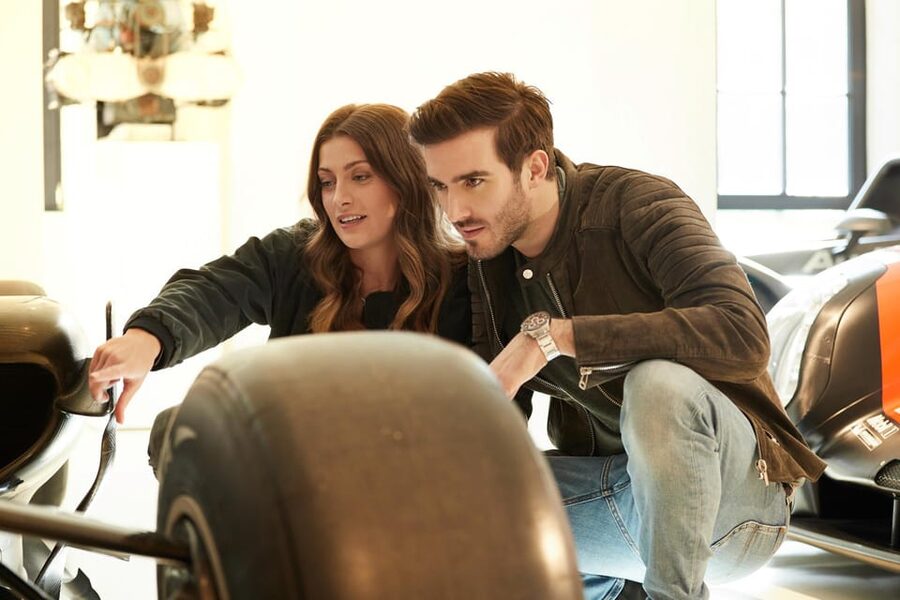
PROTOTYP doesn’t treat cars like museum trophies that only exist to be stared at. The museum frames vehicles through insider stories about racing legends and the designers behind them, with a focus on creativity and risk.
That approach is practical. It gives you a reason to read, not just look. When you understand why a car was built a certain way, the lineup feels more connected, even if you’re not a lifelong motorsports historian.
The museum spans a long timeline, so you’ll see both the evolution of racing engineering and changes in design thinking. If you enjoy connecting the dots from early sports racers to the look and performance of later eras, this is the kind of structure that makes sense.
The 1939-to-Formula-1 sweep you’ll want to plan around
One of the most useful promises here is the range: hand-picked cars from roughly 80 years of the sports and racing era. The museum presentation ranges from the original Porsche Type 64 from 1939 to modern Formula 1 cars.
That kind of time jump can overwhelm you if you walk in cold. My advice is to pick a “center theme” for the day, then let the rest support it. For example:
- If you’re most interested in early racing, focus on the Porsche Type 64 era first.
- If you’re more modern-tech minded, drift toward the Formula 1 side later so it feels like the end point of the story.
The museum’s descriptions aim to connect each car to the people and racing context around it. That’s how a long lineup stays watchable without turning into a blur of shapes and numbers.
Graf Trips and Prof. Porsche: why the names matter
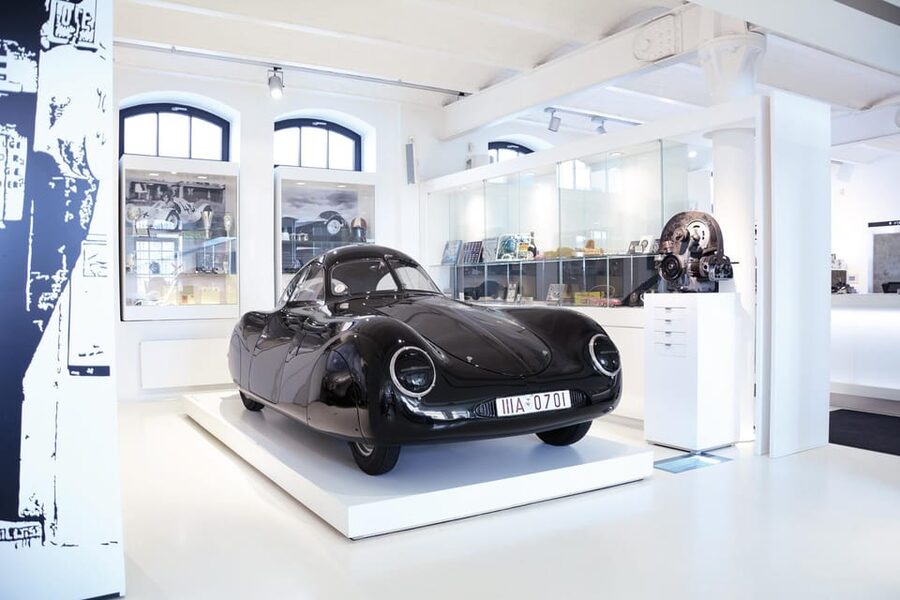
The museum doesn’t just show cars; it also points you toward the characters behind them. The experience explicitly mentions Graf Trips and Prof. Porsche, and that’s a smart design choice because real names help your brain organize information.
When you see a car from a given era, it’s easier to understand if you know who drove, built, or influenced it. That small context can transform a display from static to meaningful, especially if your background is casual rather than expert.
Even if some names aren’t familiar at first, the museum’s framing helps you follow along. You’ll likely pick up the big idea: these racing legends and top designers were willing to take calculated risks, and their choices shaped what came next.
More tickets and skip-the-line entries






The Porsche 365 driving simulator: your personal best moment
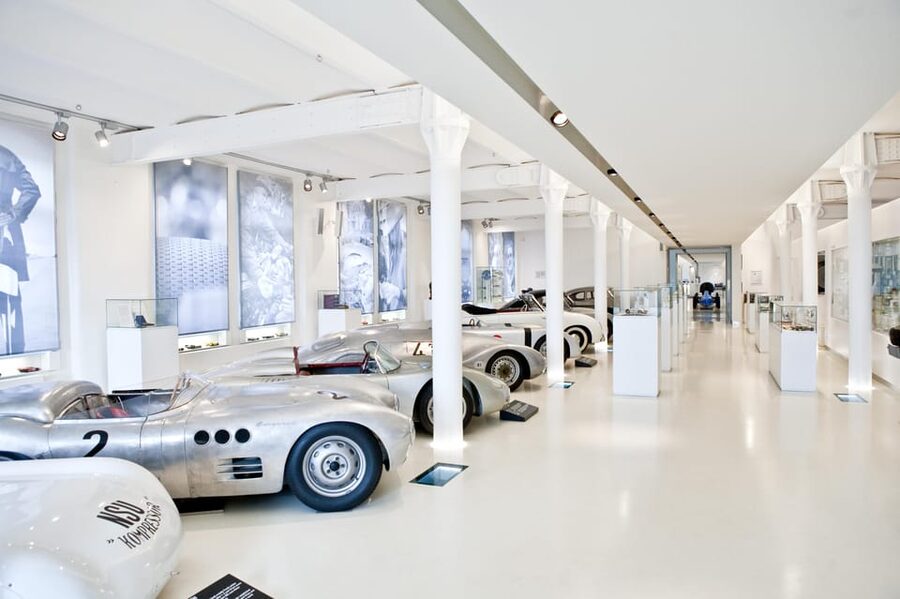
The headline activity is the Porsche 365 driving simulator, where you can set your personal best. This is the part that turns the museum from passive viewing into a memorable challenge.
Why it’s a value win: you don’t just pay for objects on shelves. You pay for a hands-on experience that gives you a moment you can measure, even if you’re not a tech person or a race driver.
There is one practical consideration: an orange Porsche seating experience is mentioned as being popular and often occupied, and that same crowd energy can spill over into simulator time depending on the day. If you’re visiting during a busy family window, plan to be patient and treat it like part of the day, not a timed appointment.
The orange Porsche moment and why it can get crowded
One review highlights an orange Porsche you’re allowed to sit in, which is the kind of detail that makes museums feel less distant. Sitting in a famous shape is a fast way to understand scale, cockpit position, and why racing drivers talk the way they do about ergonomics.
The catch is the one you should actually plan for: that spot can be nearly continuously occupied by both kids and adults. If you’re very focused on that activity, arrive earlier in the day if you can, and be ready to wait.
I’d treat this as a bonus rather than the centerpiece. If you keep your expectations flexible, the rest of the museum still delivers.
How to pace your visit in about a day
Because the museum is open Tuesday through Sunday from 10:00 a.m. to 6:00 p.m. with last admission at 5:30 p.m., you can structure your visit without rushing. The best pacing is simple: do the racing timeline first, then close with the hands-on simulator and the popular seating moment.
Here’s a pacing approach that tends to work:
- Spend your first third following the historical sweep and reading the background info for each model.
- Spend your middle time on the cars that match your interests most, rather than trying to finish every label equally.
- Leave time near the end for the Porsche 365 simulator and any waiting you might face.
The museum format makes it easy to return to a section you liked. If you get stuck reading, you’re not trapped in a rigid route.
Museum value for $15: what makes it feel worth it
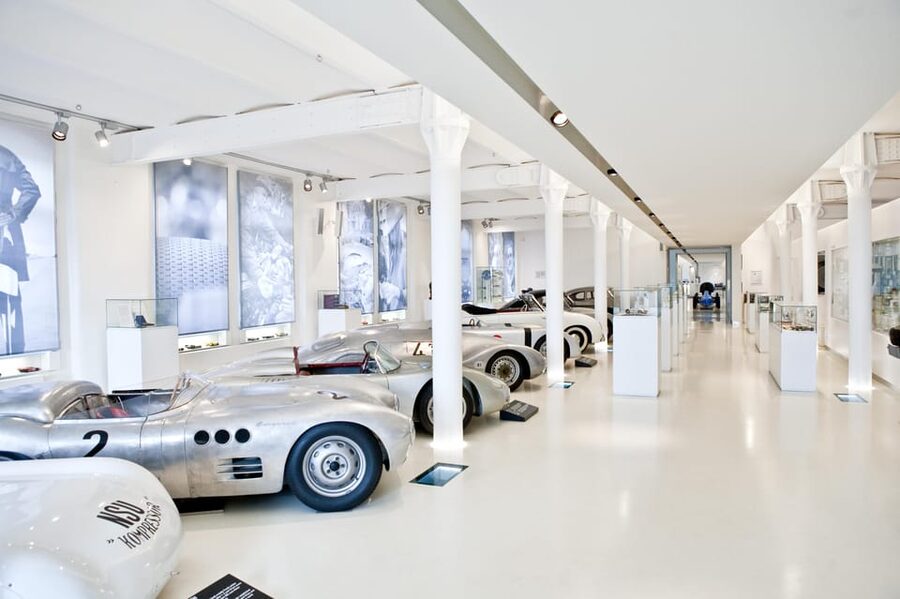
At about $15 per person, the ticket is priced in a way that makes sense for a one-day stop, especially for car and motorsports fans. You’re not paying a premium just for the cars; you’re also paying for the narrative framing and the simulator challenge.
The value gets even better if you like history explained through people rather than just specs. The museum’s focus on racing legends, design, and risk-taking gives the displays a reason to stay interesting.
One caution on value: if your idea of a car museum is Stuttgart-level scale and variety, a reviewer notes it may not feel as spectacular. Still, a smaller venue can be an advantage if you enjoy clarity and a tighter lineup.
When it’s a great match (and when it’s not)
This is a strong choice if you’re:
- a sports and racing fan, even if you’re not an expert
- traveling with someone who likes engineering but also wants stories
- looking for an indoor option that fits a rainy-day plan in Hamburg
It may be less satisfying if you’re:
- expecting a huge, world-famous museum campus with long hours and endless rooms
- coming purely for the most famous mega-collections and ignoring the story angle
The good news is the museum’s structure is built for “good attention,” not marathon fatigue. You get a full day of the racing world without needing to treat it like a school museum assignment.
Practical planning tips from real-life experience
Here are the small things that matter once you’re there.
Parking: one review points out limited parking options. If you’re driving, plan extra time for finding parking, or consider using Hamburg public transport so you don’t burn your energy on logistics.
Busy spots: the orange Porsche seating area can be crowded, and the simulator is the sort of activity families tend to queue for. That means you’ll get the best experience if you don’t schedule everything tightly.
Languages: the museum runs German and English, so you should be able to follow the main story points even if your German is rusty.
The neighborhood bonus: pair it with Hamburg landmarks
This museum’s location is a hidden advantage. You’re close to HafenCity, the Elbphilharmonie, and Speicherstadt. If you like building a day that balances “real life city” with “one focused activity,” this is a smart combo.
A simple plan: morning museum time, then a walk through nearby HafenCity streets and toward Speicherstadt. That keeps the day from feeling like museum-only overload.
Should you book the Automuseum PROTOTYP ticket?
Book it if you want a focused Hamburg car experience built around racing stories, design context, and one standout interactive moment. The Porsche 365 driving simulator plus the historical span from the Porsche Type 64 era to modern Formula 1 gives you both nostalgia and momentum in one stop.
Hold off or manage expectations if you’re chasing the most massive auto-museum feeling you can find. If you already know major Stuttgart museums well, you might find PROTOTYP more modest in scale. Still, the narrative approach and hands-on touches can make it feel genuinely worthwhile.
If you’re traveling with family, especially kids who like cars, arrive with the mindset that popular hands-on areas may involve waiting. The museum’s overall experience is strong enough that the wait usually doesn’t ruin the day.
FAQ
How long is the Automuseum PROTOTYP ticket valid?
The ticket is valid for one day.
Where do I enter the museum?
Go directly to the museum entrance at Shanghaiallee 7, 20457 Hamburg. Admission is on the 1st floor.
What does the ticket include?
The ticket includes entry to the automotive museum PROTOTYP. A 1-hour guided tour is not included.
What are the opening hours?
The museum is open Tuesday to Sunday, 10:00 a.m. to 6:00 p.m., with last admission at 5:30 p.m.
What languages are available?
The host or greeter and the museum experience are offered in German and English.
Is there wheelchair access?
Yes, the museum is wheelchair accessible.
How much does it cost?
The price is listed as $15 per person.
If you want, tell me your travel month and whether you’re more into vintage racing or modern Formula 1, and I’ll suggest a simple “what to prioritize first” route for your day.
Hamburg Tickets & Entries

More Tour Reviews in Hamburg





More Hamburg Museums & Tickets
Just In: The Newest Hamburg Reviews











Hamburg Museums & Landmark Tickets, compared.
 ★ 4.7Hamburg Dungeon Admission TicketFrom $335,745 reviews
 ★ 4.3Ticket to the Panoptikum WaxworksFrom $112,489 reviews
 ★ 4.0Hard Rock Cafe Skip-the-Line MealFrom $36945 reviews
 ★ 4.7International Maritime Museum Entrance TicketFrom $16547 reviews
 ★ 4.7Entrance to the Museum Ship Cap San DiegoFrom $14467 reviews
 ★ 4.5Hamburg Dungeon Admission TicketFrom $33438 reviews
 ★ 4.9Dialog im Dunkeln (Dialogue in the Dark)From $28392 reviews
 ★ 4.3Hamburger Bahnhof Museum Entrance TicketFrom $16279 reviews
Browse the lists this tour appears in