
Reviewed · HAMBURG MUSEUMS & LANDMARK TICKETS
Hamburg: Emigration Museum BallinStadt Entry Ticket
Waiting for passage changes how you see Europe.
In Hamburg, BallinStadt turns the city’s role in migration into an easy-to-follow, hands-on visit that keeps history understandable. I especially like the Port of Dreams exhibition for how it explains longing to leave and the person behind it, Albert Ballin. I also like the research station where you can look into your own family history in the world’s largest genealogical database.
You walk through separate exhibition spaces, each with a different feel: one focuses on the waiting and daily life in Hamburg, and another zooms out across centuries with themes you’ll recognize even today. The main drawback is that the ticket gets you entry only, and food and drinks are not included, so plan ahead if you’ll stay for a while.
In This Review
- Key Highlights You Shouldn’t Miss
- Hamburg’s Gateway to the World: Why BallinStadt Matters
- Entering at House 1: Getting Oriented Fast
- Price and Value: Is $16 Worth It?
- Port of Dreams: Albert Ballin, Emigration Camps, and the Waiting Game
- World in Transit: 14 Themed Rooms Spanning 5 Centuries
- The Changing Specialty Exhibit and the Research Station for Family History
- What You’ll Walk Through: A Simple Mental Map
- Practical Details That Change Your Day
- Should You Book BallinStadt in Hamburg?
- FAQ
- How much is the BallinStadt entry ticket?
- Where do I check in for the museum?
- Is the ticket valid for more than one day?
- Do I need to choose a starting time?
- Is BallinStadt wheelchair accessible?
- Is parking available at the museum?
- Are pets allowed inside?
- Is food included with the ticket?
Key Highlights You Shouldn’t Miss
- Port of Dreams brings Albert Ballin to life through an interactive look at emigration hopes and logistics
- Daily life while waiting to ship out explains what an emigration camp could feel like
- World in Transit covers 5 centuries in 14 themed rooms with clear push-and-pull factors
- A changing specialty exhibition keeps the museum from feeling repetitive
- Family history research station with a huge genealogical database helps you connect personal stories to big events
- Three distinct exhibition spaces make it easy to pace your visit
Hamburg’s Gateway to the World: Why BallinStadt Matters
If you’ve ever wondered why Hamburg gets called a gateway to the world, BallinStadt gives you a straight answer. For millions of Europeans, this port city wasn’t just a place you passed through—it was where decisions happened, paperwork moved, and dreams got packaged for the voyage.
What makes the museum feel practical is that it treats emigration as a lived experience, not just a headline. You get the pull factors (why people wanted a fresh start) and the push factors (why staying felt impossible). And because it’s set in Hamburg, the story feels anchored to real journeys that began right where you’re standing.
I also like the way the museum doesn’t force you into one narrow storyline. Even when it focuses on the individual and the ship-like journey, it still helps you understand the bigger patterns across time.
More to see indoors, tickets sorted


Entering at House 1: Getting Oriented Fast
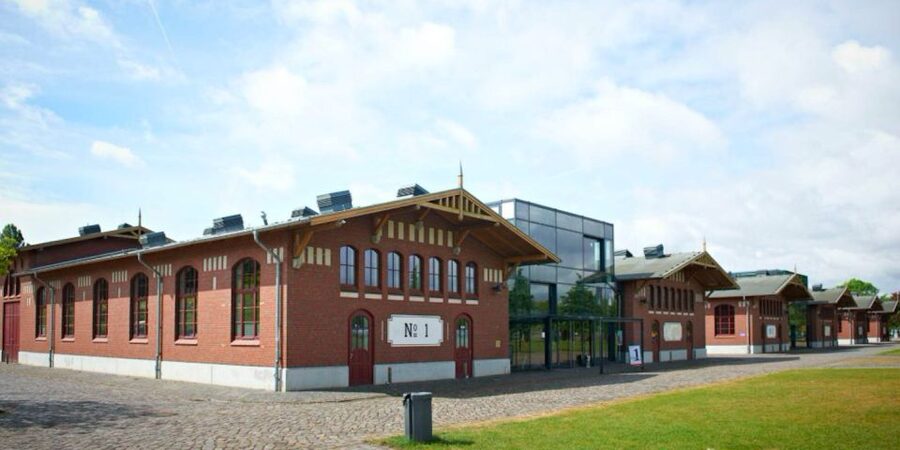
Your visit starts at the ticket office in House 1. That’s useful to know because it means you’re not wandering around guessing where to begin—check in, get sorted, then go.
The museum is set up so you can move through three exhibition spaces at your own pace. The ticket is valid for 1 day, and you’ll want to check availability to see starting times before you go. That matters because it lets you plan your day in Hamburg around when you want to begin rather than feeling rushed.
Good to know: the museum is wheelchair accessible, so you can expect a visitor setup that works for mobility needs. Pets aren’t allowed, so if you’re traveling with an animal companion, you’ll need other arrangements.
Price and Value: Is $16 Worth It?
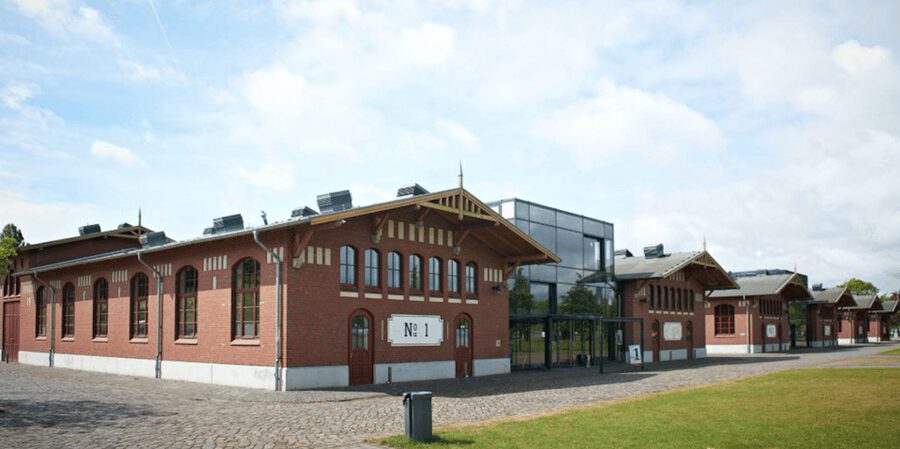
At about $16 per person, BallinStadt sits in that sweet spot where you’re paying for a focused museum experience rather than a full-day tour with extras. The ticket includes entry, and it’s clearly designed around exhibitions plus a research station—so you’re not paying for transportation or guided add-ons that you might not use.
Here’s where the value really shows: you get access to multiple exhibition spaces, including one that’s interactive, plus the chance to research family history. If that research station is on your wish list, this ticket becomes much more than a museum stop—it can turn into a personal investigation with real momentum.
The only value-killer to watch for is also the simplest: food and drinks aren’t included. If you think you’ll be there long enough to need lunch, bring a plan. A small snack break can keep the day enjoyable instead of turning into a grumpy search for something nearby.
Port of Dreams: Albert Ballin, Emigration Camps, and the Waiting Game
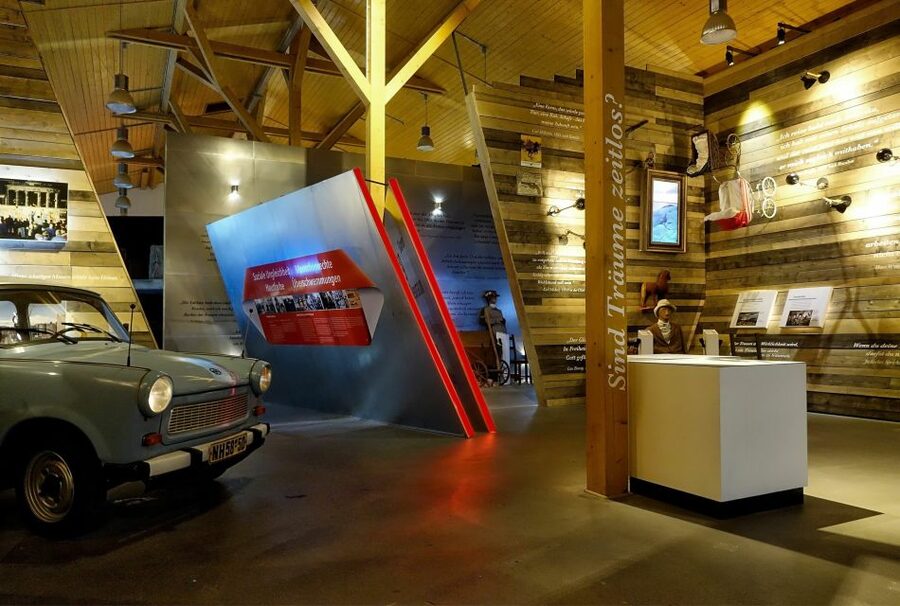
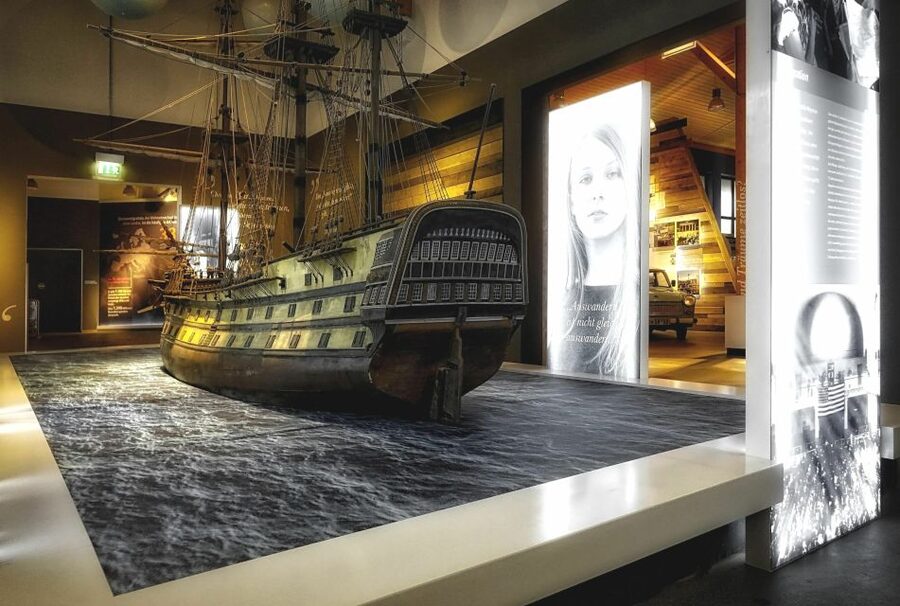
The Port of Dreams exhibition is the most story-driven of the spaces. It’s interactive and designed to explain both the feeling of leaving and the person who made the process possible: Albert Ballin, the museum’s namesake.
The emotional hook here is straightforward: people longing to leave Europe weren’t imagining it in a vacuum. They needed shipping routes, organization, and a place where they could arrive and then wait. Port of Dreams follows that chain, showing how emigrants arrived and lived in Hamburg while they waited to be shipped off to the new world.
What I like is how the museum doesn’t treat waiting as a boring in-between. It shows what daily life in an emigration camp could look like and the challenges that come with starting over far from home. Even without heavy technical detail, you get the practical reality of the situation—waiting wasn’t passive. It was part of the journey.
If you want the museum to feel personal, this is where you’re most likely to slow down. The exhibit helps you connect the abstract idea of emigration to routines, uncertainty, and the emotional weight of packing up.
Potential consideration: because this hall leans into interactive elements and daily-life storytelling, it can take longer than you think if you stop to read everything carefully. If you’re on a tight schedule, decide early how much time you want here so the rest of the museum doesn’t feel squeezed.
World in Transit: 14 Themed Rooms Spanning 5 Centuries

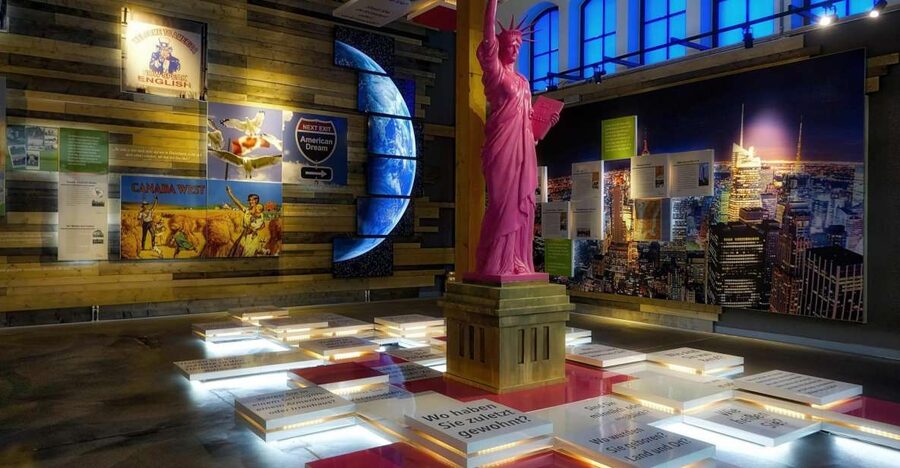
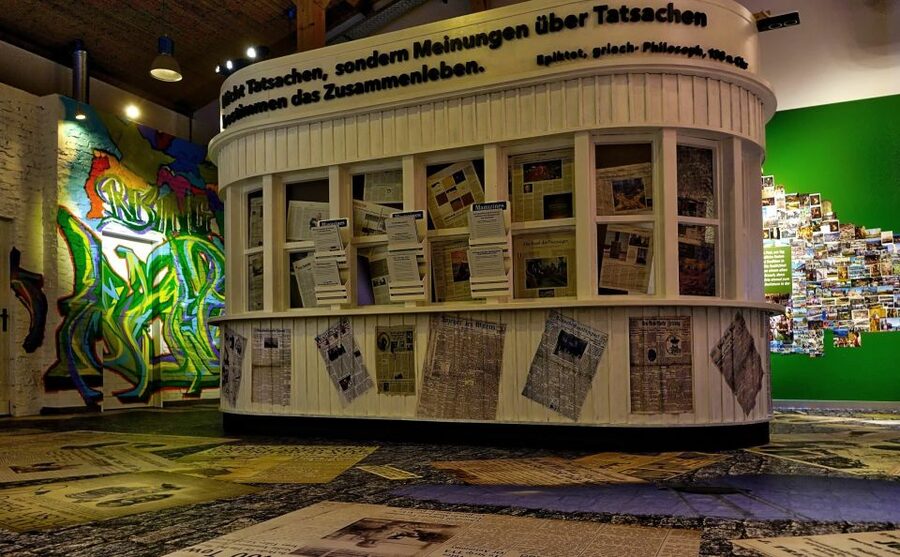
After Port of Dreams, World in Transit shifts the focus. Instead of one centered storyline, you’re looking at emigration and immigration across the last 5 centuries through a multi-visual format and 14 themed rooms.
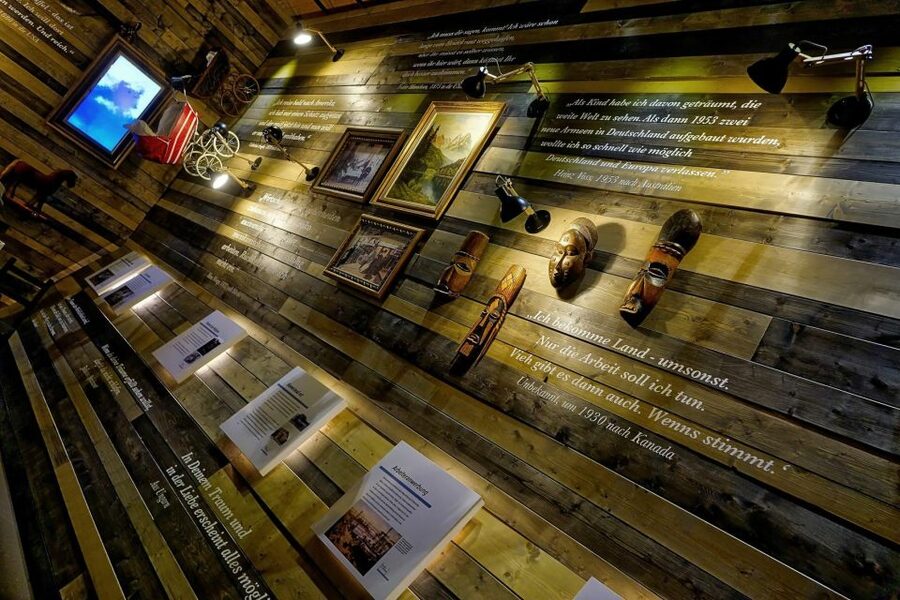
This structure is smart for visitors because it makes large history topics manageable. You’re guided room by room, with themes that help explain why migration happens—using the language of pull and push factors. It also includes insight into reasons for emigrating, including personal motivations that make the story feel less like a mass event and more like choices made under pressure.
One of the best aspects of World in Transit is that it links countries that can feel far away with places that might already feel familiar. That can change how you interpret the exhibits: you start seeing migration as a repeating human pattern rather than a one-time historical anomaly.
If you like museums that help you compare contexts, this part of BallinStadt is where you’ll feel most satisfied. It gives you the bigger framework you can then use when you think about the more intimate stories in Port of Dreams.
More tickets and skip-the-line entries






The Changing Specialty Exhibit and the Research Station for Family History
BallinStadt has a third specialty exhibition space, and the subject changes every few months. That means your visit isn’t guaranteed to match what someone else saw earlier in the year, which keeps repeat interest alive. It also gives you a reason to check what’s on during your trip window if you’re planning a return visit.
The most powerful “you can do this today” feature is the research station. It’s set up so you can follow your own family history using the world’s largest genealogical database. Even if your research is just starting, it’s a meaningful way to turn a museum visit into something active.
To get the most out of the research station, I’d go in with at least one name you can trace and a rough idea of places and dates. Without that, you might still find leads, but you’ll waste time clicking through dead ends. With a little groundwork, the station can connect the museum’s big migration story to your own family’s reality.
What You’ll Walk Through: A Simple Mental Map
Here’s the practical rhythm I’d suggest based on how the museum is organized:
- Start with Port of Dreams so the emotional and human story sets your baseline
- Move to World in Transit to build the bigger framework across centuries
- Then return to the specialty exhibition for something fresh during your visit
- Finish (or start) at the research station if family history is your priority
This order works because it prevents you from feeling lost. Port of Dreams gives context for what migration can feel like. World in Transit then explains why those feelings and decisions repeat in different places over time.
If you’re short on time, you can also do a tighter plan: focus first on World in Transit for the overview, then do Port of Dreams for the most personal storytelling, and skip around in the specialty space.
Practical Details That Change Your Day
A few logistics matter more than you’d think with a museum day.
First, there’s free parking at the museum. That can be a relief if you’re driving into Hamburg and want to avoid timing stress.
Second, food and drinks aren’t included. If you need a break, plan for it. Even if you find something nearby, having a backup snack keeps you from turning the day into a hunt.
Third, pets aren’t allowed. If you’re traveling with someone who depends on you for care, make sure your transport arrangements are ready before you head over.
Finally, the museum is wheelchair accessible, so you can plan a visit without worrying about basic access issues. If you need specific routes or help, it’s worth asking at check-in at House 1.
One more tip: since the ticket is valid for 1 day and starting times can vary, it helps to treat BallinStadt as a scheduled block in your Hamburg day. You’ll get more out of it if you’re not constantly switching gears between activities.
Should You Book BallinStadt in Hamburg?
I think BallinStadt is a strong pick if you want more than ships-in-a-hallway history. This is a museum built around how migration happens—why it starts, how people traveled, what waiting could mean, and how the story changes across centuries. If you care about genealogy, the research station is a big reason to go, because it gives your visit a chance to become personal.
Book it if:
- You’re curious about Hamburg’s role in emigration
- You like exhibitions that explain cause-and-effect, not just names and dates
- You want a real chance to research your family history
Skip or rethink it if:
- You only want a quick stop and you hate museums that ask you to read
- You’re not willing to handle the fact that food and drinks aren’t included
FAQ
How much is the BallinStadt entry ticket?
The ticket price is $16 per person.
Where do I check in for the museum?
Check in at the ticket office located at House 1.
Is the ticket valid for more than one day?
No. The entry ticket is valid for 1 day, so plan your visit within that timeframe.
Do I need to choose a starting time?
Starting times can vary, since it’s valid for 1 day. Check availability to see starting times.
Is BallinStadt wheelchair accessible?
Yes. The museum is wheelchair accessible.
Is parking available at the museum?
Yes. Free parking is available at the museum.
Are pets allowed inside?
No. Pets are not allowed.
Is food included with the ticket?
No. Food and drinks are not included.
Hamburg Tickets & Entries

More Tour Reviews in Hamburg






More Hamburg Museums & Tickets

Just In: The Newest Hamburg Reviews











Hamburg Museums & Landmark Tickets, compared.
 ★ 4.7Hamburg Dungeon Admission TicketFrom $335,745 reviews
 ★ 4.3Ticket to the Panoptikum WaxworksFrom $112,489 reviews
 ★ 4.0Hard Rock Cafe Skip-the-Line MealFrom $36945 reviews
 ★ 4.7International Maritime Museum Entrance TicketFrom $16547 reviews
 ★ 4.7Entrance to the Museum Ship Cap San DiegoFrom $14467 reviews
 ★ 4.5Hamburg Dungeon Admission TicketFrom $33438 reviews
 ★ 4.9Dialog im Dunkeln (Dialogue in the Dark)From $28392 reviews
 ★ 4.3Hamburger Bahnhof Museum Entrance TicketFrom $16279 reviews
Browse the lists this tour appears in